CITYSCAPE PHOTOGRAPHY IN CHARLESTON — 2HR WORKSHOP — Learn to photograph the soul of a city
Instructor: Sonny Green | www.sonny.photos
Meeting Place: Clerks Coffee Company — Emeline Hotel
181 Church St., Charleston, SC
(Meet at the four center chairs. If late, text 843-843-6542)
Time: 10am–12noon
Price: $50 per person
READ FIRST: How to Use This Guide
This is a group workshop, not a private lesson. We move together. We learn together. The stronger the group stays aligned, the stronger each shooting exercise becomes. Please know how to operate your camera (phone or DSLR/mirrorless) before class: change focus, adjust exposure, change lenses or modes if needed. You do NOT need to know architecture or technical theory. That’s why you’re here. This guide is a roadmap — intentionally overstuffed. You will not master everything today, but you will leave with a stronger awareness of how cities photograph and how Charleston’s architecture can become the hero of your images.
Each section includes:
• what the concept means
• why it matters
• how it affects city photographs
• one field drill
• one pro tip
The more curious and observant you are, the stronger this workshop becomes.
OVERVIEW
Cityscape photography is about photographing the personality of a city. Charleston is one of the most visually layered cities in the United States. Within a few blocks you can photograph:
• Colonial architecture
• Antebellum mansions
• Victorian homes
• Art Deco storefronts
• Modern structures
• Historic brick, stucco, and cypress wood buildings
These structures are the heroes of our photographs. But cityscape photography is not pure architectural photography. Architectural photography usually removes people, cars, and movement to create a clean document of the building. Cityscape photography does the opposite. Cityscape photography embraces urban life.
People walking.
Bicycles passing.
Street signs.
Shadows.
Storefront reflections.
Parked cars.
Movement.
These elements give the city scale, story, and rhythm. Cityscape photography blends:
• architecture photography
• street photography
• landscape photography
• urban storytelling
In this workshop you will learn how to photograph Charleston’s streets so the buildings remain the subject while the city itself becomes the supporting character.
This workshop unfolds in three stages:
Seeing the City
Understanding lines, shapes, and how buildings structure the frame
Reading Urban Light
How sunlight interacts with streets, walls, and windows
Building City Photographs
Using people, movement, and scale to bring architecture to life
1. SEEING THE CITY — Understanding Urban Composition
Most beginners photograph cities as random scenery. Strong photographers understand that cities are made of lines and shapes. Buildings organize the world. Streets guide the eye. Windows repeat patterns. Doorways frame space. Charleston is full of visual structure. Your job is to notice it before pressing the shutter.
A. Architecture as the Hero
In cityscape photography the building is usually the main subject. Everything else in the frame supports it. Charleston’s architecture is especially powerful because the city contains multiple historic design eras. You will learn to recognize and photograph:
Colonial Architecture
• simple geometry
• symmetrical windows
• historic brick or wood structures
These buildings photograph well with clean framing and strong lines.
Antebellum Architecture
• large porches
• tall columns
• balanced facades
These buildings carry presence and weight. They photograph well from slightly wider perspectives that show scale.
Victorian Architecture
• decorative trim
• complex shapes
• layered design details
Victorian buildings photograph best when patterns and details are emphasized.
Art Deco Architecture
• bold geometry
• repeating shapes
• vertical emphasis
Art Deco photographs beautifully when lines are centered or exaggerated.
Modern Architecture
• clean surfaces
• glass reflections
• minimal design
Modern buildings are perfect for abstract compositions and reflections. Historic Building Materials Charleston’s architecture also reveals itself through materials:
• Brick
• Stucco
• Cypress wood
• Iron gates
• Painted shutters
These textures carry the age and character of the city. Sometimes the photograph is not the building itself. Sometimes it is simply light hitting old brick or wood.
Exercise — “Find the Architectural Hero”
Walk one block and find three buildings.
Photograph each building in three ways:
- Full building
- Mid-section
- Detail (door, window, texture)
Ask yourself:
Which version tells the strongest visual story? Often the detail photograph becomes the most powerful image.
Quick Tip
If a photograph feels weak, ask:
“What is the hero?”
If the answer isn’t obvious, the frame probably has too many competing elements.
B. Lines — The Hidden Structure of Cities
Cities are built on lines.
• sidewalks
• streets
• roof edges
• power lines
• fences
• shadows
These lines guide the viewer’s eye through the image. The strongest city photographs use lines intentionally.
Types of Urban Lines
Leading Lines — Streets and sidewalks naturally guide the viewer deeper into the image.
Vertical Lines — Buildings emphasize height and strength.
Diagonal Lines — These create movement and energy.
Field Drill — “Follow the Street”
Find a long street view. Take three photographs:
- standing centered in the street
- standing along the sidewalk
- crouching low
Notice how the lines change in each position.
Pro Tip
Move your feet, not your zoom. Cities reward physical exploration. One step left or right can change the entire composition.
C. Light in the City
Light behaves differently in cities than in open landscapes. Buildings block, reflect, and redirect sunlight. This creates:
• shadow corridors
• glowing building edges
• reflected light from windows
• dramatic contrast
Charleston’s narrow streets are perfect for this.
Field Drill — “Light on Brick”
Find a brick wall in sunlight. Photograph it:
- front-lit
- side-lit
- partially in shadow
Notice how the texture changes completely.
Pro Tip
Side light reveals texture. Front light flattens it. If you want to show history in the materials, shoot when light hits the building from the side.
2. BUILDING CITYSCAPES — Adding Life to Architecture
Architectural photography often removes people. Cityscape photography welcomes them.
People provide:
• scale
• movement
• story
A beautiful building becomes more powerful when someone moves through it.
Why People Matter
A building alone can feel static. A person walking through the frame shows:
• how big the space is
• how the city is used
• a moment in time
Exercise — “Human Scale”
Photograph a building:
- with no people
- with a person walking through the frame
Compare the images. Which one feels more alive?
Pro Tip
People should support the building, not dominate it. They are the secondary character.
B. Street Objects
Cities contain countless visual elements.
• street signs
• bicycles
• benches
• parked cars
• traffic lights
• shop windows
These elements help create urban atmosphere. Used carefully, they strengthen the photograph. Used poorly, they become clutter.
Exercise — “Urban Layers”
Create one photograph that includes:
• architecture
• a street object
• a person
Three layers of information.
Pro Tip
Think in foreground, middle ground, background. Depth makes cities feel real.
C. Distance and Perspective
Your distance from a building changes how it feels.
Close — Shows texture and detail.
Medium — Shows structure.
Wide — Shows the building within the city.
Field Drill — “Three Distances”
Photograph the same building:
• close
• medium
• wide
Compare the emotional difference.
Pro Tip
Wide shots show context. Closer shots show character. Strong city photography uses both.
3. THE CITY AS A LIVING LANDSCAPE
Cities are landscapes made by people. Buildings replace mountains. Streets replace rivers. Alleys replace valleys. Light replaces weather. Movement replaces wind. When you begin seeing a city this way, cityscape photography becomes easier. You stop wandering randomly looking for something “interesting.” Instead, you begin reading the city like terrain. Just like a natural landscape photographer studies hills, valleys, and light patterns, a city photographer studies:
• the height of buildings
• the direction of streets
• the rhythm of windows
• the movement of people
• the changing direction of sunlight
A city is simply a landscape shaped by human decisions.
Charleston is a perfect example of this. Within a few blocks you can see how time reshaped the terrain:
• Colonial brick buildings sitting beside Victorian homes
• Antebellum facades rising above narrow streets
• Modern glass reflecting centuries-old churches
• Cypress wood siding weathered by coastal air
All of these elements form a visual geography. Instead of mountains and valleys, Charleston offers:
• rooftops
• steeples
• street corridors
• harbor light
• shadows between buildings
Once you start seeing this structure, photography becomes less about luck and more about awareness. You begin to anticipate photographs instead of discovering them accidentally. You see how streets lead the eye. You see where light will fall before it arrives. You see where people will enter the frame before they walk through it. Cityscape photography is not about capturing chaos. It is about discovering order inside the city’s movement.
Exercise — “Urban Landscape”
Find a location where:
• buildings create a horizon
• streets create pathways
• light creates depth
Stand still for one minute before shooting. Observe the scene like a landscape photographer would observe a mountain valley.
Notice:
• where the brightest light sits
• where the darkest shadows fall
• where movement flows through the scene
• where the strongest shapes appear
Now photograph the scene as if it were a natural landscape.
Instead of trees and mountains, your elements become:
• rooftops
• windows
• sidewalks
• pedestrians
• reflections
Try three compositions:
-
Wide Frame
Capture the entire scene like a landscape. -
Mid Frame
Focus on one building or section of street. -
Detail Frame
Photograph a smaller element — texture, light, or pattern.
Compare the three images. You will often discover that the strongest photograph is not the widest view. Sometimes the soul of the scene lives in the detail.
Field Drill — “Wait for the City”
Cities are alive. Unlike mountains, the scene is constantly changing. A photograph that feels ordinary can become powerful when something enters the frame. Try this exercise: Find a strong architectural composition. Do not move.
Wait.
Watch what passes through the frame.
A cyclist.
A pedestrian.
A car turning a corner.
A shadow crossing a wall.
Take the photograph when the movement completes the scene.
This teaches an important lesson: Often the best city photograph is already composed. You are simply waiting for the city to finish it.
Pro Tip
Cities are human landscapes. They deserve the same patience and observation you would give to photographing mountains, forests, or coastlines. Landscape photographers wait for light. City photographers must wait for light and life. The most powerful city photographs are not rushed. They are noticed.
CLOSING — The Point of Cityscape Photography
Cityscape photography teaches you to see cities differently. Charleston is not just historic buildings. It is a living environment made of many layers:
• architecture
• movement
• texture
• weather
• light
• people
• time
Every photograph becomes a record of how these layers come together in a single moment. The goal is not simply to document a place. The goal is to interpret it. A photograph is not just proof that a building exists. It is evidence of how the city felt when you stood there. The warmth of afternoon light on brick. The long shadows stretching across cobblestone. The quiet movement of someone passing through the street. Cityscape photography turns everyday places into visual memory.
Final Practice Drill
Before pressing the shutter, run this quick mental checklist:
• What building is the hero?
• Where is the strongest line?
• What is the light doing?
• Is there movement that adds life?
• Does the frame feel balanced?
• Should I move closer or farther?
• Should I wait one more second?
If you answer these questions honestly, the photograph becomes intentional instead of accidental. You are no longer chasing photographs. You are reading the city. And once you learn how to read a city, you can photograph any city in the world.
Events
CHARLESTON WALK & SHOOT 2hr WORKSHOP (3-5pm)

SHALLOW DEPTH OF FIELD 2hr Workshop

FLATLAY PHOTOGRAPHY IN A CAFÉ 2Hr Workshop
PORTRAITURE WITH NATURAL LIGHT 2hr Workshop
NIGHT PHOTOGRAPHY WALK — Based on the Spirit in the album “Oh Mercy”
SMARTPHONE PHOTOGRAPHY 2hr Workshop
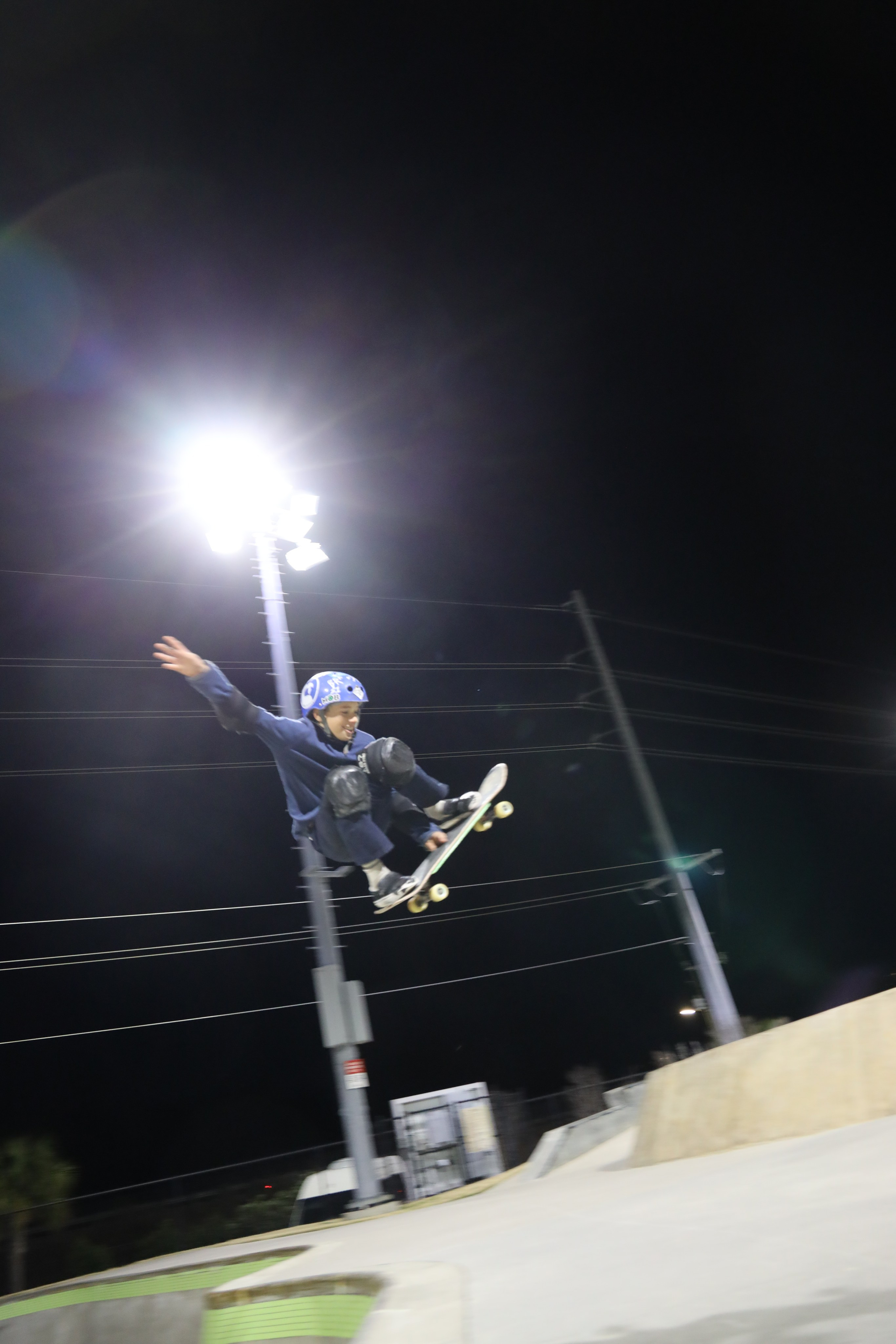
DOGTOWN PHOTOGRAPHY 2hr Workshop
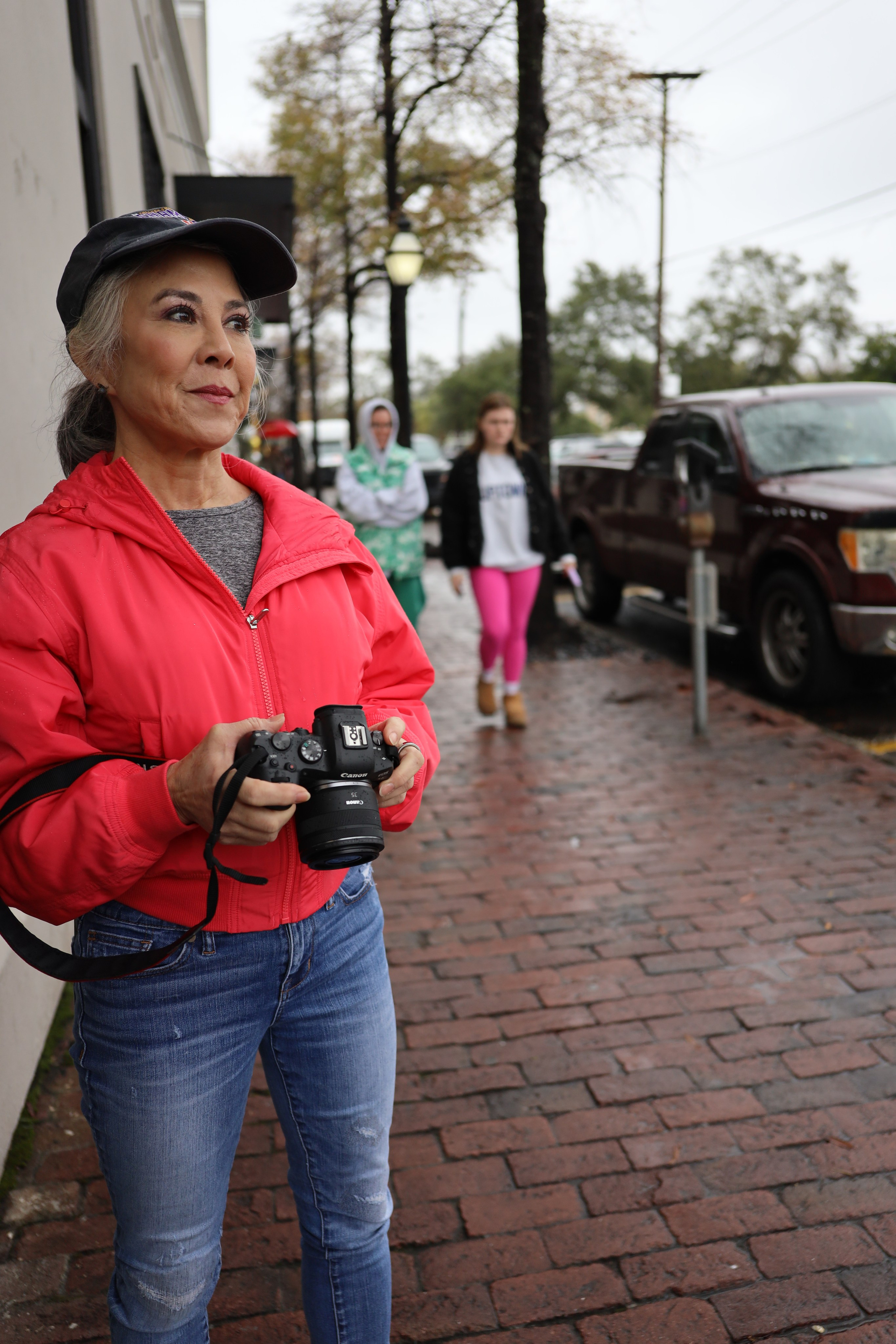
BEGINNER PHOTOGRAPHY 3hr Workshop
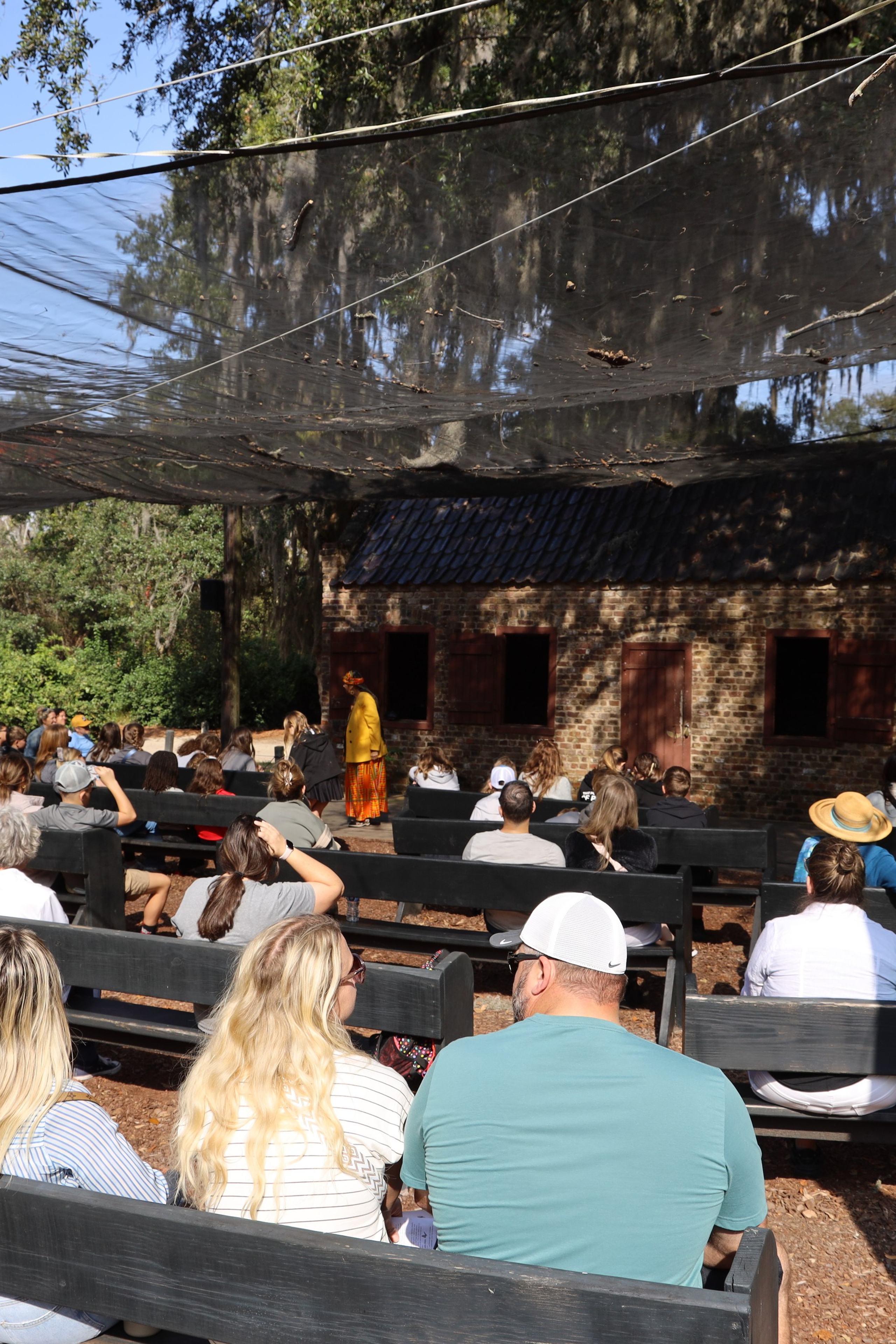
A HISTORIC VIEW OF PHOTOGRAPHY 2hr Lecture
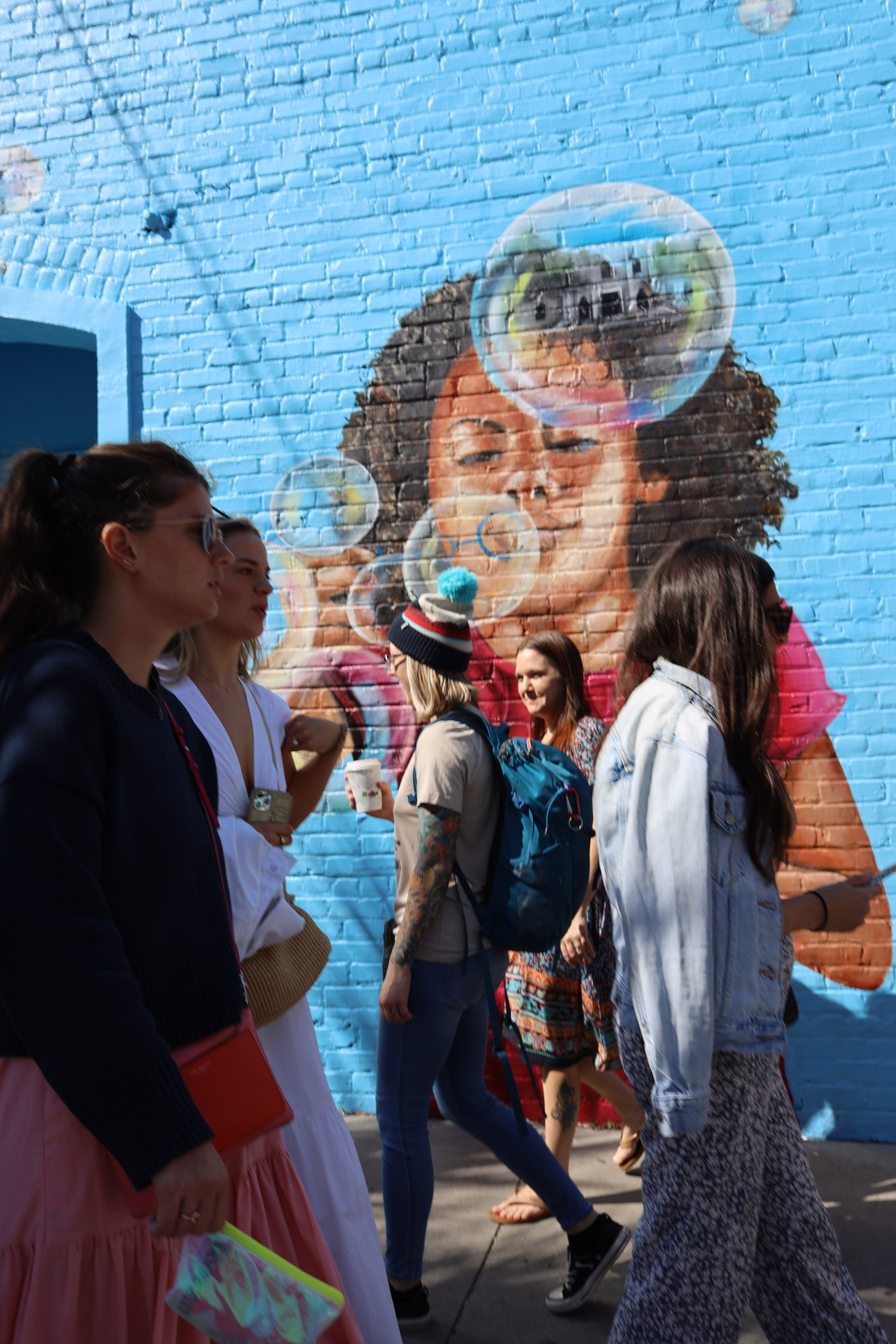
Very informative!!! Sonny was very patient and explained the info. clearly. I now have an understanding of how to proceed with learning my camera.