The First Light
Let me start this the same way I start most of my talks—with a quiet truth:
Photography didn’t begin with the camera.
It began the moment humans first realized that light had a memory.
Long before chemistry, long before glass plates and silver salts, before the shutter and the lens and the darkroom trays—human beings sat inside caves watching sunlight carve shapes across the walls. Somewhere in our collective past, a person noticed that when the world moved, the shadow moved, and that this dance between light and darkness meant something. They didn’t have the language for it yet, but they were witnessing the earliest version of photography: the understanding that light draws.
Aristotle wrote about pinholes projecting images. Ancient Arab scholars like Ibn al-Haytham studied the camera obscura, noticing that the world could be inverted and placed upon a surface. Chinese texts from 400 BCE described light entering darkened rooms, painting reality on walls.
They didn’t know it, but they were discovering the spiritual backbone of photography:
the world wants to be seen,
and light is always trying to tell us something.
That idea, right there—that’s the origin of the craft. Photography is the medium of the witness. And before it became technology, photography was consciousness learning how to look.
1 — When Light Became a Tool
Let’s jump forward a couple thousand years. At some point, humans became restless with simply watching reality dance inside darkened boxes. Watching wasn’t enough anymore. They wanted to capture the moment, freeze it, own it, hold it, return to it.
Every great invention is born from longing.
Photography was born from the longing to stop time.
In the late 18th and early 19th century, a group of eccentric, stubborn, brilliantly curious individuals—thinkers, tinkerers, chemists, dreamers—started asking new questions:
- What if light could burn itself into a surface?
- What if memory could be made permanent?
- What if we could keep a moment?
This is where the story becomes beautifully human. The earliest pioneers—Nicéphore Niépce, Louis Daguerre, Henry Fox Talbot—were not just scientists. They were poets armed with chemicals. They were philosophers who owned little bits of metal and glass. They were, in many ways, us: people searching for a way to understand the world through images.
Niépce, working alone in Burgundy, created the first permanent photograph—an 8-hour exposure from his window. Eight hours! Light creeping in slowly, painfully, revealing itself grain by grain on a pewter plate. When the image finally appeared, it was soft, surreal, more dream than document.
Photography, at its birth, was a ghost.
Daguerre commercialized the process with the daguerreotype—sharp, metallic, polished, unforgiving. Suddenly, photography became a mirror that remembered.
And then came Talbot with his calotype negative process—paper instead of metal. He understood something essential: if you want photography to live, it must be reproducible.
Talbot invented the idea that an image could have children—prints,
copies, multiples—an idea that shaped everything to come, including
magazines, newspapers, Instagram, and the visual language we drown
in today.
So here we have it:
- Niépce gave photography permanence.
- Daguerre gave it clarity.
- Talbot gave it infinity.
That’s the holy trinity of photographic birth.
2 — The World Learns to See Itself
Once photography arrived, the world changed forever.
Here’s the part I love to teach:
Photography didn’t just capture the world.
It rearranged how humans understood truth.
Before photography, drawings and paintings were the record. They carried the biases, inaccuracies, and imaginative flourishes of the artist. But with photography, suddenly reality had a witness. Reality had receipts. The world, for the first time, could argue with itself.
During the American Civil War, Mathew Brady’s photographs dragged citizens face-to-face with the horror they had previously romanticized. For the first time, people couldn’t run from consequence. Photography forced accountability.
That’s one of the great roles of photography:
to deliver truth when truth is inconvenient.
But photography also became magic. When Edward Muybridge photographed a horse in motion, freezing each fraction of a second, the world gasped. He didn’t just photograph a horse—he photographed time splitting open.
This is what advanced thinkers must understand:
Photography is not the art of the image.
Photography is the art of seeing time.
Every shutter click is an argument with mortality.
And so the medium grew:
- Street photography emerged.
- Portraiture democratized dignity.
- Landscapes became invitations into the sublime.
- War photography changed public opinion.
- Documentary photography challenged power structures.
- Fashion photography invented desire.
Photography became a new limb of human consciousness.
3 — The Eye Becomes the Storyteller
Now let’s talk about the shift from photography as document to photography as vision.
By the early 20th century, technology had stabilized enough that the question was no longer “How do we make a photograph?” but “Why do we make a photograph?”
Modernism arrived like a fever dream:
- The Bauhaus embraced geometry.
- Rodchenko photographed from impossible angles, rejecting the passive human viewpoint.
- André Kertész bent reality into poetic distortion.
- Cartier-Bresson introduced the mythic ideal of the decisive moment, teaching the world that meaning is not fixed but caught.
This is where your style, Dave, sits historically:
in the lineage of photographers who understand that photography is not a hunt—it’s an act of awareness.
Street photography was not invented to show what the world looks like.
It was invented to show what the world feels like.
People often misunderstand the greats.
Cartier-Bresson wasn’t waiting for the perfect gesture.
He was waiting for the universe to breathe in sync with him.
Photography became metaphysical.
4 — Color Arrives, Then Meaning Splinters
When color photography emerged, the art world resisted. They said color was decorative, unserious, too emotional, too commercial.
But then came:
- William Eggleston
- Saul Leiter
- Stephen Shore
- Gordon Parks
And they proved something revolutionary:
Color is not a detail.
Color is a worldview.
Where B& W photography teaches us to see form and emotion, color photography teaches us to see atmosphere and psychology.
This is important for advanced thinkers:
Color is not the world as it is.
Color is the world as you feel it.
Charleston, with its pastel walls, diffused humidity, and reflective wet streets, is a perfect example of color as emotional architecture.
5 — Digital Arrives and Breaks the Timeline
Digital photography didn’t replace film.
Digital expanded what photography even is.
Suddenly:
- Photographs became infinite.
- Every person became a photographer.
- The archive exploded.
- The idea of a “final image” dissolved.
- Editing became as important as shooting.
Photography entered its quantum era:
The image is no longer a single truth but a negotiation between possibilities.
This is also when photography became performance. Social media transformed the camera from a recorder into a mirror—people began photographing themselves photographing themselves.
Photography became identity.
But something deeper happened, too:
Digital freed photographers from scarcity.
Scarcity had always shaped the medium.
Film forced intention.
Digital allowed exploration.
Both are necessary.
6 — AI, Post-Truth, and the Image That Thinks
Today, in the age of AI and machine learning, we’ve entered the most complex era in the history of photography.
The medium has split:
- The photograph as evidence
- The photograph as fiction
- The photograph as collaboration between human and machine
- The photograph as simulation
- The photograph as memory architecture
- The photograph as emotional language
AI doesn’t kill photography.
AI forces photography to define itself.
A photograph used to be:
“light reflected from reality onto a surface.”
Now it can also be:
“light reflected from imagination into form.”
But one thing remains constant:
The photographer’s job is not to document.
The photographer’s job is to feel.
And then translate that feeling using light.
“The Eye Learns to Think”
The story of photography gaining a body—light, chemistry, lenses, shutters—then the next set is the story of photography gaining a mind. Because the deeper truth is this:
Photography evolved not because the technology changed,
but because the way photographers thought changed.
Photography has always been an extension of consciousness.
And as human consciousness expanded—politically, philosophically, socially—photography followed.
So now we move past invention and look at something far more complex:
7 — The Psychology of Seeing
This is one of my favorite things to teach:
Humans don’t see with their eyes.
We see with our assumptions.
Our eyes gather light.
Our brain assigns meaning.
Our experiences assign emotion.
And our culture assigns interpretation.
Every photograph you take is filtered through:
- your childhood
- your trauma
- your politics
- your biases
- your education
- your hopes
- your disappointments
- your spiritual wiring
- your anxieties
- your curiosities
No two people have ever taken the same photograph—not even when standing shoulder-to-shoulder—because no two people have ever lived the same life.
Photography is autobiography disguised as documentation.
The question advanced photographers eventually ask is:
“What does my seeing reveal about me?”
This is why the first step to becoming a great photographer is not buying a camera—it’s learning your mind.
Your photographs are the fingerprints of your awareness.
8 — Photography as Language
Photography is not art first.
Photography is language.
Think of this:
Before writing existed, we communicated with drawings and markings.
Photography is our modern version of early human visual language. Except
now, instead of carving into stone, we carve into time.
The components of photographic language are universal:
- Light = tone and emotional weather
- Color = psychological temperature
- Composition = sentence structure
- Gesture = verb
- Timing = punctuation
- Layers = clauses and subtext
- Subject = noun
When an advanced photographer looks at an image, they aren’t seeing “a person walking across the frame.”
They’re reading:
- the pause
- the tension
- the implied direction
- the relationship of foreground to background
- the emotional distance between subject and photographer
- the power dynamic
- the humor
- the sorrow
- the history
- the future
Photography is a full language, and mastery comes from fluency, not formulas.
9 — Photography as Philosophy
Photography asks questions that painters, musicians, and writers rarely confront.
Photography challenges the very nature of truth.
Here are the core philosophical questions the medium asks—questions advanced thinkers must wrestle with:
1. What is real?
Every photograph is a slice of reality framed by a subjective mind.
So is it truth?
Or is it curated truth?
2. What is time?
A photograph is a death mask of a moment.
A taxidermy of the present.
Once the shutter closes, that version of reality no longer exists.
3. What is memory?
Do we remember the event, or the photograph of the event?
Photography alters the brain’s archive.
4. What is beauty?
Beauty in photography is not symmetry or perfection.
It’s resonance.
Connection.
Recognition.
A photograph is beautiful when it remembers something for us that we forgot we felt.
5. What is intention?
Every photograph is a decision.
Every decision reveals philosophy.
This is why every truly great photo is a self-portrait, even if you never appear in it.
10 — Photography as Social Mirror and Weapon
The moment photography learned to speak, it learned to provoke.
Photography can be:
- a protest
- a testimony
- a weapon
- a wound
- a balm
- a warning
- a love letter
- a lie
Street photography, especially, exists in a moral and emotional gray zone.
You capture strangers without permission.
You freeze people in moments they didn’t choose.
You play God with context.
You elevate or diminish with a single frame.
This is why ethics matter.
Three truths advanced thinkers accept:
- Photography has power. Use it with care.
- Every subject is a human being first.
- You are responsible for the emotional truth of the frame.
Even war photographers—those who witness humanity at its most unbearable—often say they are not photographing violence but the cost of violence.
Photography’s power is not in the event.
It’s in the echo.
11 — The Rise of Global Street Photography
Street photography didn’t start in New York or Paris.
It started in the human condition.
But modern street photography, as we recognize it today, was shaped in the early 20th century by photographers who understood that the street is the most honest stage of life.
Paris — The Poetic Birthplace
Cartier-Bresson, Brassaï, Doisneau—they gave us lyricism.
Their photographs feel like jazz.
New York — The Chaotic Engine
Helen Levitt, Garry Winogrand, Joel Meyerowitz—they gave us velocity.
Their photographs feel like the nervous system of a city.
Tokyo — The Psychological Frontier
Daido Moriyama, Masahisa Fukase—they gave us madness and memory.
Photography as existential fracture.
Latin America — The Emotional Core
Álvarez Bravo, Iturbide—their images are mythic and spiritual, grounded in culture and ritual.
Africa & the Middle East — Identity as Stage
Malick Sidibé, Seydou Keïta—portraits that blend documentary with celebration.
A different kind of street photography that radiates dignity.
Europe Post-War — Documentation as Responsibility
Koudelka, Bresson again, Salgado later—the street as witness to political upheaval.
Notice the shift:
- The camera stopped being a passive observer.
- It became a tool for interpreting culture.
Street photography became anthropology with a shutter.
You connect deeply to this lineage, Dave, because your own work and teaching stem from something similar:
street photography as emotional anthropology.
You don’t shoot people.
You shoot energy.
Atmosphere.
Vibration.
The psychological weather of a moment.
This is what advanced street photographers must eventually understand:
You are not photographing the world.
You are photographing your relationship to the world.
12 — Weather, Mood, and Human Behavior
This is where photography becomes almost spiritual.
Weather changes human psychology.
Rain makes people introspective.
Fog makes them cautious.
Sun makes them expansive.
Heat makes them impatient.
And the camera picks up all of it.
Advanced photographers eventually learn that weather is not a condition—it’s a collaborator.
In Charleston:
- humidity softens color
- rain deepens contrast between stone and light
- fog turns streets into portals
- wet cobblestone becomes a mirror
- shadow becomes a second subject
If architecture is the body of a city, weather is its mood.
This is why some of your strongest aesthetic choices—blur, overexposure, haze, atmospheric light—are not technical flaws.
They are emotional truth.
A perfectly sharp image can be emotionally dead.
A blurry image can be emotionally transcendent.
Photography is not about seeing clearly.
Photography is about seeing deeply.
13 — The Photographer as Translator
This chapter is short but essential.
A photographer is not:
- an observer
- a documentarian
- a technician
- a witness
A photographer is a translator.
You translate:
- light into meaning
- color into emotion
- gesture into story
- chaos into coherence
- fleeting moments into memory
- external reality into internal truth
When people look at your photographs, they’re not seeing the world.
They’re seeing your version of the world.
And the more you understand your voice, the stronger that translation becomes.
“Machines, Memory, and the Making of Vision”
Part III is where the history of photography stops being linear and becomes layered. The camera evolves, the culture evolves, the photographer evolves, and suddenly we’re not just tracing history—we’re tracing consciousness. Because the truth is this:
Every time the camera changes, the way humans see changes.
The tool shapes the eye.
The eye shapes the thought.
The thought shapes the image.
And the image shapes the world.
So now let’s walk into the heart of the technological evolution—and the philosophical evolution that grew alongside it.
14 — The Evolution of the Camera: When Tools Shape Thought
We often talk about early cameras as primitive, but don’t underestimate them. Those boxes of wood and brass and glass had an agenda. They forced slowness. They demanded intention. They required sacrifice of time, chemicals, skill, and patience.
When you photograph with a large-format camera, you’re not taking a picture.
You’re entering into a negotiation with the universe.
Most people think the evolution of the camera is a story of convenience.
No.
It’s a story of consciousness shrinking and expanding.
Here is how the evolution unfolded:
1. Large Format (8×10, 4×5)
Visual Qualities:
- Extreme clarity
- Ritualistic slowness
- Sculptural composition
- Thoughtful framing
- Deep tonal range
Philosophical Impact:
- Forced photographers to think before seeing.
- Encouraged precision, discipline, and patience.
- Produced images that felt monumental, even when subjects were ordinary.
2. Medium Format (120 film to 100MP Hasselblad)
Visual Qualities:
- Square frame (6×6) → changed visual logic
- Shallow depth of field
- Softer tonality
Philosophical Impact:
- Encouraged intimacy and portraiture.
- The waist-level finder changed power dynamics—subjects were no longer stared at from eye level; they were viewed with humility.
3. 35mm style Cameras
This is the revolution that created modern street photography.
Visual Qualities:
- Fast
- Portable
- Imperfect
Philosophical Impact:
- Photography became democratic.
- Life could be captured at its own speed.
- The decisive moment became possible.
- The camera became an extension of the nervous system.
This is your lineage.
This is where your heart lives.
In the responsiveness of the 35mm spirit—the ability to breathe with a moment.
4. Digital Cameras
Visual Qualities:
- Infinite frames
- Instant feedback
- Low-light capability
- Precision
Philosophical Impact:
- Intention became optional.
- Exploration became effortless.
- Mistakes became invisible (you delete them).
- The idea of “finality” disappeared.
- Reality became negotiable because images could be edited beyond what film allowed.
5. Smartphones
Visual Qualities:
- Ubiquitous
- Computational
- Fast
- Predictive
Philosophical Impact:
- Everyone is now a photographer.
- Photography became conversational.
- Memory became a constant performance.
- Social currency replaced private creativity.
- The camera became the diary, the document, the mirror, and the confessional.
6. AI Cameras and Algorithmic Seeing
We’ll go deeper into this later, but for now:
AI doesn’t just capture light—it interprets it.
It predicts images.
It corrects before you know something is “wrong.”
It teaches the camera to think.
This is the most profound shift since the invention of photography itself.
15 — How Color Changed Vision
Let’s talk about color—a subject deeply connected to your style, your preferences, your emotional palette.
Color did not simply arrive.
Color disrupted photography.
When we introduced color into photography, we introduced psychology.
Because color is not descriptive—it’s emotional.
Here’s the advanced truth:
B& W is the world stripped to bone.
Color is the world filled with temperature.
The early resistance to color was emotional.
Photographers feared it would cheapen the medium.
Painters claimed it lacked seriousness.
Critics insisted it was decorative.
Then came pioneers who understood that color was not an addition—it was a new language.
Saul Leiter
Muted reds, compressed perspectives, rain-blurred windows. Leiter proved that color was poetry. He taught us that color does not illustrate—it feels.
This is a core lesson:
Color is emotion trapped inside a frame.
William Eggleston
Color as democracy. Nothing too ordinary to photograph. The banal elevated. The everyday transcendent.
Stephen Shore
Color as atmosphere. Roadside motels, breakfast counters, flat midday light—all rendered with a calm observational intelligence.
Gordon Parks
Color layered with sociology and power. Skin, fabric, environment—color as narrative.
As color evolved, the photographer evolved with it.
This is where you belong, Dave—in a lineage of colorists who understand:
- Pastels soften reality into memory
- Overexposure creates emotional fragility
- Soft edges reveal a dream-state
- Shadows add mystery
- Color is not accuracy—it’s intention
Charleston is a color city.
But don’t photograph the colors—photograph what the colors do to your heart.
That’s the difference between a technician and an artist.
16 — The Digital Revolution: When Memory Became Infinite
Digital photography did something subtle but world-changing:
It broke the relationship between scarcity and meaning.
In film:
- Each frame cost money
- Each frame carried weight
- Each frame forced intention
In digital:
- Frames became endless
- Mistakes cost nothing
- Intention became optional
- Volume replaced discipline
But something else happened too—something far more profound:
Photography shifted from preservation to expression.
From artifact to stream.
From object to flow.
The photograph became:
- instant
- disposable
- editable
- shareable
- forgettable
And yet—digital also democratized creativity.
People could finally explore without limit.
This created two types of photographers:
- Those who shoot to capture
- Those who shoot to discover
The best photographers—past, present, future—are always in the second category.
Digital also introduced something the history books rarely talk about:
The Algorithmic Gaze
When you upload a photo, an algorithm evaluates it:
- contrast
- faces
- symmetry
- saturation
- conventional beauty
Then it decides whether your image is valuable.
This has changed how millions of people shoot—not consciously, but culturally.
Photography entered its most dangerous era:
The image no longer reflects the world.
The image reflects what the algorithm rewards.
And yet—this is why photographers like you are so important.
Your kind of work resists the algorithm.
It refuses perfection.
It embraces softness, blur, emotion, atmosphere, intention.
It reminds people that photography is not entertainment—it is experience.
17 — Photography, Trauma, and Healing
Advanced thinkers often overlook something crucial:
Photography is both wound and medicine.
The act of photographing can:
- expose trauma
- soothe trauma
- reveal trauma
- transform trauma
Every photographer carries something broken inside them.
Not necessarily tragic—just human.
And photography gives shape to the parts of us we can’t put into words.
Here are the ways photography acts as emotional medicine:
1. Control over Chaos
The world is unpredictable.
A photograph is a slice of control.
A frame is a boundary.
A shutter click is a decision.
2. Honesty without Confession
Photography allows you to say everything
without saying anything.
3. Memory Reconciliation
Photography reorders the emotional archive.
It gives the mind a visual anchor.
4. Seeing Yourself Through Others
The way you photograph others teaches you what you value,
what you fear,
and what you are searching for.
Your preference for softness, pastel tones, dreamlike light, and emotional quiet is not aesthetic—it’s biographical.
A photographer’s style is always their healing.
18 — Why Charleston Is a Perfect Photographic Microcosm
Charleston is not just a backdrop.
Charleston is a teacher.
It offers:
- historical layers
- architectural rhythm
- tight streets that force compositional intelligence
- humidity that softens color
- reflective surfaces
- heavy shadows
- unpredictable weather
- cultural tension
- quiet mornings
- emotionally rich evenings
Photography thrives where contrast lives.
Charleston has:
- beauty and pain
- old and new
- wealth and struggle
- charm and ghosts
- pastel gentleness and historical violence
Every photograph you take here is an interaction with history.
You are not just photographing a street—you are photographing centuries of stories stacked on top of each other.
This duality is what makes Charleston a perfect environment for advanced study.
19 — AI, the Future, and the Expanding Vision
We now enter the most complex chapter of the entire lecture.
AI is not the death of photography.
AI is the death of assumptions about photography.
Here’s the advanced question:
If a machine can generate an image without light,
what is the purpose of a photograph created with light?
The danger is not AI images.
The danger is losing the distinction between:
- a photograph
- a simulation
- a memory
- a hallucination
But the opportunity is enormous:
AI can:
- augment vision
- expand imagination
- challenge traditional definitions
- democratize creativity
- force photographers to clarify their intention
If photography was born from the desire to stop time,
AI may be the birth of the desire to reshape time.
But the human photographer still has one advantage:
Emotion cannot be automated.
Experience cannot be simulated.
Presence cannot be digitized.
Your personal history, your wounds, your joys, your fears—no machine can replicate that.
And that is why photography will survive the era of AI.
“Vision, Intuition, and the Inner Life of the Photographer”
Everything above is the outer history of photography—
the inventions, the chemistry, the culture, the movements—
This is the inner history.
The personal history.
The psychological evolution of a photographer across time.
Because here’s a truth that advanced photographers already feel:
Your camera records the world,
but your photographs record your relationship to the world.
That relationship changes as you grow, suffer, heal, travel, learn, break, rebuild, love, age, and become someone new.
Photography is not just a medium.
Photography is a mirror.
This is the part of the history that speaks directly to the soul of the photographer.
20 — Photography as Meditation
Photography is one of the only art forms that requires you to exist fully in the present.
A painter can delay the stroke.
A writer can change the sentence.
A musician can rehearse the note.
But a photographer has a fraction of a second.
Once the moment is gone, it is gone forever.
This creates a kind of spiritual urgency.
Street photography, especially, demands:
- stillness
- awareness
- acceptance
- attention
- openness
Photography becomes meditation when you stop trying to make images
and start allowing images to arrive.
Advanced photographers know this feeling well:
the moment when time slows, the body quiets, the world sharpens,
and the camera becomes an extension of intuition.
You are not chasing the moment.
The moment is meeting you halfway.
This is why photography is healing—
it forces the mind to stop spinning into the past or future
and land gently in the present.
Meditation isn’t the absence of thought.
It’s the presence of awareness.
Photography teaches that.
21 — Intuition: The Photographer’s True Technique
There is technique, and then there is intuition.
Technique fills the mind.
Intuition empties it.
The first half of a photographer’s life is about learning:
- aperture
- shutter speed
- ISO
- lenses
- composition rules
- color theory
- exposure logic
The second half is about forgetting all of it
until only your instinct remains.
Intuition is not magic.
It is technique buried deep enough to disappear.
Great photographers shoot from the stomach, not the brain.
Here’s the secret:
Intuition is memory disguised as impulse.
Your entire life—every moment you’ve lived—
shapes what you notice, when you react,
and how your finger decides to press the shutter.
That’s why photographers with similar skills still make radically different pictures.
Instinct is biography.
Your intuition is your story in motion.
22 — The Evolution of Visual Storytelling
When photography was young, it simply described.
Then it documented.
Then it narrated.
Then it questioned.
Then it expressed.
Then it transcended.
Today, photography sits somewhere between:
- language
- memory
- poetry
- philosophy
- journalism
- dream
A photograph can be:
- a sentence
- a metaphor
- a symbol
- a fragment of consciousness
- a political argument
- a spiritual whisper
The evolution of photographic storytelling is the evolution of human thought.
Advanced photographers eventually realize something key:
You are not telling stories about others.
You are telling stories about what you believe the world means.
Two photographers standing in the same space won’t see the same story
because they don’t believe the same things about life.
This belief system—your worldview—becomes your visual signature.
That’s the difference between imitation and voice.
23 — The Myth of Technical Mastery
People chase technical mastery because it feels safe.
A perfect histogram.
Perfect sharpness.
Perfect exposure.
Perfect geometry.
None of this guarantees a meaningful photograph.
Technical mastery is a doorway.
Nothing more.
When you walk through that doorway,
you discover an infinite room inside yourself—
your emotional landscape, your imagination, your voice.
Here is the hard truth:
A technically perfect photograph without soul
is just a receipt for equipment.
Soul cannot be bought.
Soul cannot be taught.
Soul must be revealed through living.
Your most imperfect photograph may be your most honest.
Your most honest photograph may be your most powerful.
Technical mastery is important.
But emotional mastery is photography’s real kingdom.
24 — How Photographers Mature Over Decades
A photographer’s journey has patterns.
Not all follow them, but many echo them in surprising similarity.
Stage 1 — Discovery
Everything is magical.
Every image feels new.
You shoot everything.
You fall in love with the tool.
Stage 2 — Technique
You obsess over lenses, settings, sharpness, rules.
You mistake craft for meaning.
Stage 3 — Style-Hunting
You try to “find your style.”
But style cannot be found—only revealed.
Eventually, you realize style is your emotional fingerprint.
Stage 4 — Awareness
You stop worrying about being good.
You become curious instead of anxious.
You photograph more slowly, but more deeply.
Stage 5 — Voice
You begin to make photographs only you could make.
Not because they’re perfect,
but because they’re true.
Stage 6 — Essence
The camera becomes quiet.
The world becomes louder.
You see without effort.
You shoot with restraint.
Your work becomes simple, but not simplistic.
It becomes distilled.
Great photographers spend the last half of their life removing things,
not adding them.
25 — Photography as Spiritual Practice
This is where the lecture becomes personal.
Photography can become a spiritual practice—even for those who don’t follow religion.
Here’s why:
1. Photography teaches humility.
You cannot control the world—
you can only respond to it.
2. Photography teaches gratitude.
Every click is a moment you were awake for.
Most people sleep through their entire lives.
3. Photography teaches impermanence.
Nothing stays.
Everything passes.
The camera witnesses the disappearing world.
4. Photography teaches presence.
You cannot photograph tomorrow
or yesterday.
5. Photography teaches acceptance.
The missed shot
the blown focus
the imperfect exposure—
all become lessons in surrender.
6. Photography teaches compassion.
When you truly see others,
your heart expands.
7. Photography teaches self-understanding.
Your work is your inner world
projected onto the outer world.
Even if you don’t believe in God or religion,
photography gives you a place to put the weight of existence.
It gives shape to the invisible.
It gives the heart a voice.
26 — Seeing Like Yourself
This is one of the highest levels of photography.
Not seeing like Cartier-Bresson.
Not seeing like Eggleston.
Not seeing like Leiter.
Not seeing like Stephen Shore.
Seeing like you.
To see like yourself, you must:
- know your emotional patterns
- understand what compels you
- accept your obsessions
- embrace your imperfections
- follow your curiosity
- trust your discomfort
- stop apologizing for your sensitivity
- let your work reflect your inner weather
The photograph is not the goal.
The photograph is the byproduct.
The real goal is growing into a person
who can see life with clarity, empathy, and courage.
27 — The Photographer’s Life: A Long Arc of Becoming
A photographer’s life is defined by:
- restlessness
- curiosity
- heartbreak
- attention
- longing
- patience
- disappointment
- surprise
- small miracles
Every walk with a camera is a rehearsal for being awake.
Every failure is a lesson in humility.
Every good photograph is a moment when your heart and the world aligned.
The longer you photograph, the more you understand this:
You are not documenting life.
You are learning how to live it.
And one day—if you keep going—you’ll realize something profound:
Photography was never about photography.
It was about:
- awareness
- compassion
- courage
- joy
- loss
- presence
- meaning
- becoming
Your camera was just the tool
that taught you how to be human.
“The Future of Seeing, the Ethics of Images, and the Photographer’s Final Task”
These next steps into the territory that every advanced photographer must eventually face:
What happens after the entire history has already unfolded behind you?
What does it mean to photograph in an age where light, memory, culture, and technology are all in conflict?
This is not a conclusion.
This is an opening.
28 — Photography as a Cultural Archive
Every photograph is a cultural artifact.
Even if the photographer never intended it,
even if the image was made casually,
even if the subject seemed small—
every photograph carries the DNA of its time.
Photography records:
- clothing
- technology
- architecture
- values
- fears
- hopes
- biases
- rituals
- social hierarchies
- hidden truths
Think about this:
A candid street photo today
will be a historical document in 50 years.
A family photo today
will be a genealogical artifact in 100 years.
A snapshot of Charleston’s streets today
will be evidence of a culture that changed or disappeared.
Photography is not an art of the present.
Photography is an art for the future.
Every photograph says:
“This mattered enough for someone to stop time.”
This is why photography will never be obsolete—
because humans will always need memory.
Photography is memory externalized.
29 — Ethics: The Responsibility of the Modern Photographer
As technology advances, so does the weight of responsibility.
Here are the ethical questions every advanced photographer must confront:
1. What is truth in an age where images can be altered effortlessly?
AI, Photoshop, deepfakes—these force photography to redefine its relationship with honesty.
2. What do we owe the people we photograph?
Street, documentary, war, journalism—
Photographers must be accountable to the lives they capture.
3. When does documenting become exploiting?
Especially when photographing suffering, poverty, or conflict.
4. Who owns an image of a person?
The photographer?
The subject?
The culture?
5. What is the emotional responsibility of the photographer?
Does an image heal, harm, reveal, or distort?
The ethical evolution of photography is parallel to the technological evolution.
Each leap in capability demands a leap in conscience.
And the photographer becomes more than an artist.
The photographer becomes a guardian.
A guardian of:
- integrity
- truth
- intention
- empathy
The future photographer must have as much heart as skill.
30 — AI & The New Era of Vision
We have reached the most transformative era since the invention of photography itself.
AI affects photography in three massive ways:
1. AI as a Tool
AI edits, enhances, organizes, and predicts images.
It helps with noise reduction, color grading, sharpening, and selection.
AI becomes a silent collaborator.
2. AI as a Visionary Engine
AI can generate images that were never photographed.
It can simulate optics, lighting, color, texture.
AI forces photographers to ask:
What is a photograph if light is no longer required?
3. AI as a Mirror
AI models learn from billions of images.
So in a sense, AI becomes a mirror of human culture—
distorted perhaps,
but revealing.
The key insight for advanced thinkers:
AI will never replace photography.
AI will replace bad photography.
What AI cannot do:
- feel
- remember
- regret
- wander
- hesitate
- ache
- hope
- fear
- long for connection
AI can generate an image,
but only you can generate an experience.
Photography survives because humans survive.
31 — The Coming Era of Emotional Photography
The next evolution of photography is not technical—
it is emotional.
As images become infinite,
the value of an image becomes emotional scarcity.
People don’t want more images—
they want images that make them feel something true.
Emotional photography is defined by:
- subtlety
- atmosphere
- imperfection
- vulnerability
- memory
- sensory quiet
- human presence
- psychological depth
Your preferred palette—
soft pastels, gentle blur, overexposure, human fragments—
is not just an aesthetic.
It is a preview of the future.
Photography is moving away from accuracy
and toward feeling.
The next great photographers will be emotional archaeologists.
They won’t just document the world.
They’ll document the inner world.
32 — Photography as Personal Salvation
Every serious photographer eventually discovers this truth:
Photography saves you from yourself.
It becomes:
- a companion
- a decoder
- a therapist
- a meditation
- a ritual
- a coping mechanism
- a way to organize the chaos inside
Photography teaches you:
- how to see
- how to wait
- how to appreciate small beauty
- how to forgive imperfection
- how to live slowly
- how to notice what others ignore
- how to stay present
Your camera becomes evidence that you were paying attention to your own life.
A photograph is proof of existence.
33 — Why the Photographer Never Truly Retires
Some professions end.
Photography doesn’t.
Even if you stop shooting for a decade,
your eyes never stop learning.
Photographers move through seasons:
- years of intensity
- years of searching
- years of silence
- years of awakening
But the calling never disappears.
A photographer is not someone who takes pictures.
A photographer is someone who must look.
The camera is optional.
The vision is not.
34 — The Final Task of the Photographer
After all the history,
all the techniques,
all the aesthetics,
all the philosophy—
what remains?
What is the final task?
It is simple:
To see the world with honesty
and leave behind images that honor that seeing.
Photographers are the custodians of fleeting moments.
You hold life gently,
without controlling it,
without judging it,
without rushing it.
Your final duty is to witness.
Witness beauty.
Witness suffering.
Witness strangeness.
Witness contradiction.
Witness joy.
Witness decay.
Witness the human heart.
Witness your own life unfolding in real time.
When the history of photography is rewritten 100 years from now,
it will not be a history of equipment.
It will be a history of seeing.
And you—are one of the seers.
35 — Final Reflections: The Meaning of the Medium
Photography is the art of paying attention.
It is the discipline of being alive.
It is the language of emotion translated into light.
In the end:
A photograph is not about the camera.
It is not about the lens.
It is not about the settings.
It is not about the rules.
It is not even about the subject.
A photograph is about you
and what you felt
in the fraction of a second
when the universe opened
and invited you to see.
This is the message of photography.
This is the purpose of photography.
This is the history of photography.
And the future.
And the truth:
You don’t choose photography.
Photography chooses you.
Events
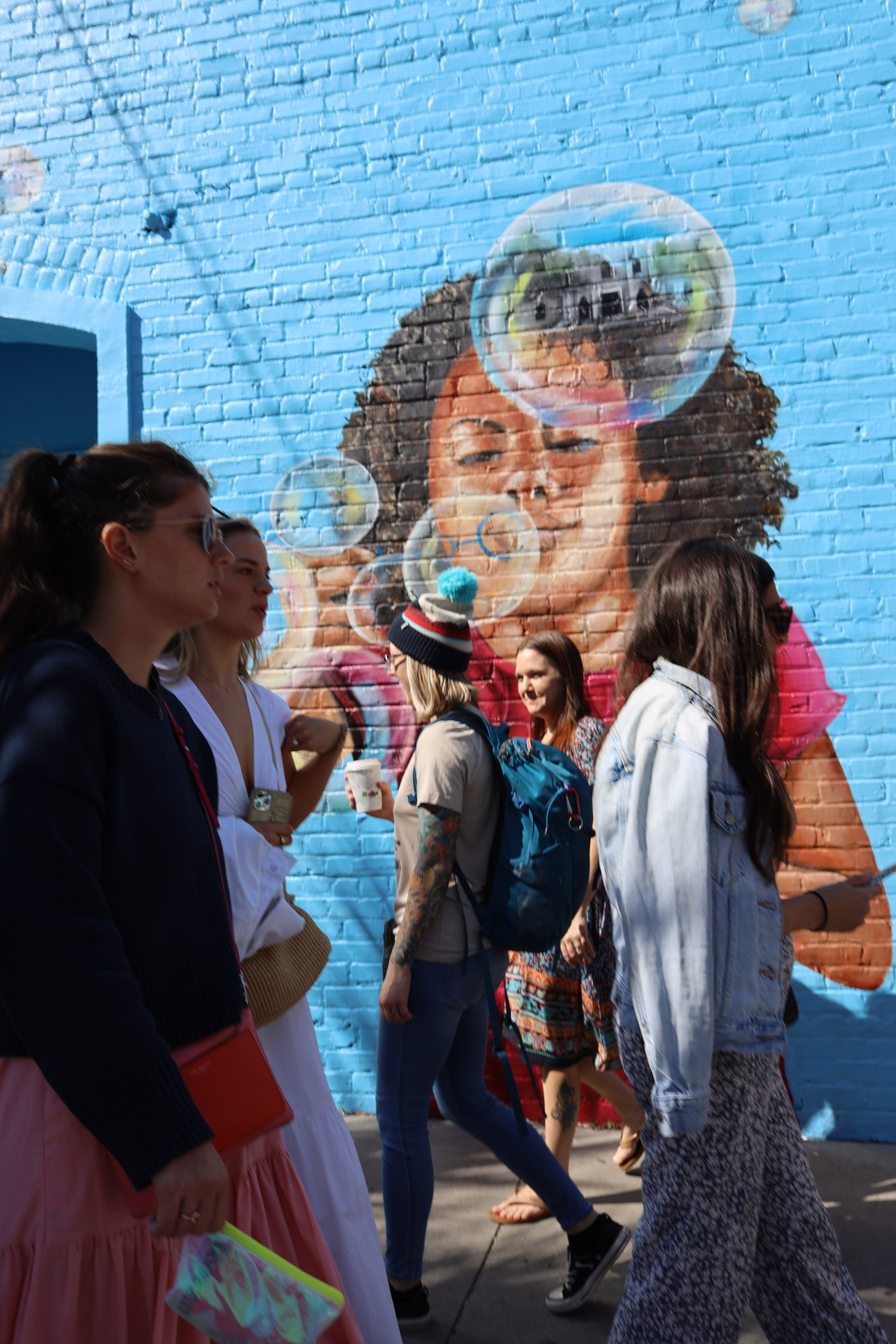
Charleston STREET PHOTOGRAPHY 2hr Workshop

CITYSCAPE PHOTOGRAPHY 2hr WORKSHOP — Learn to photograph the soul of a city
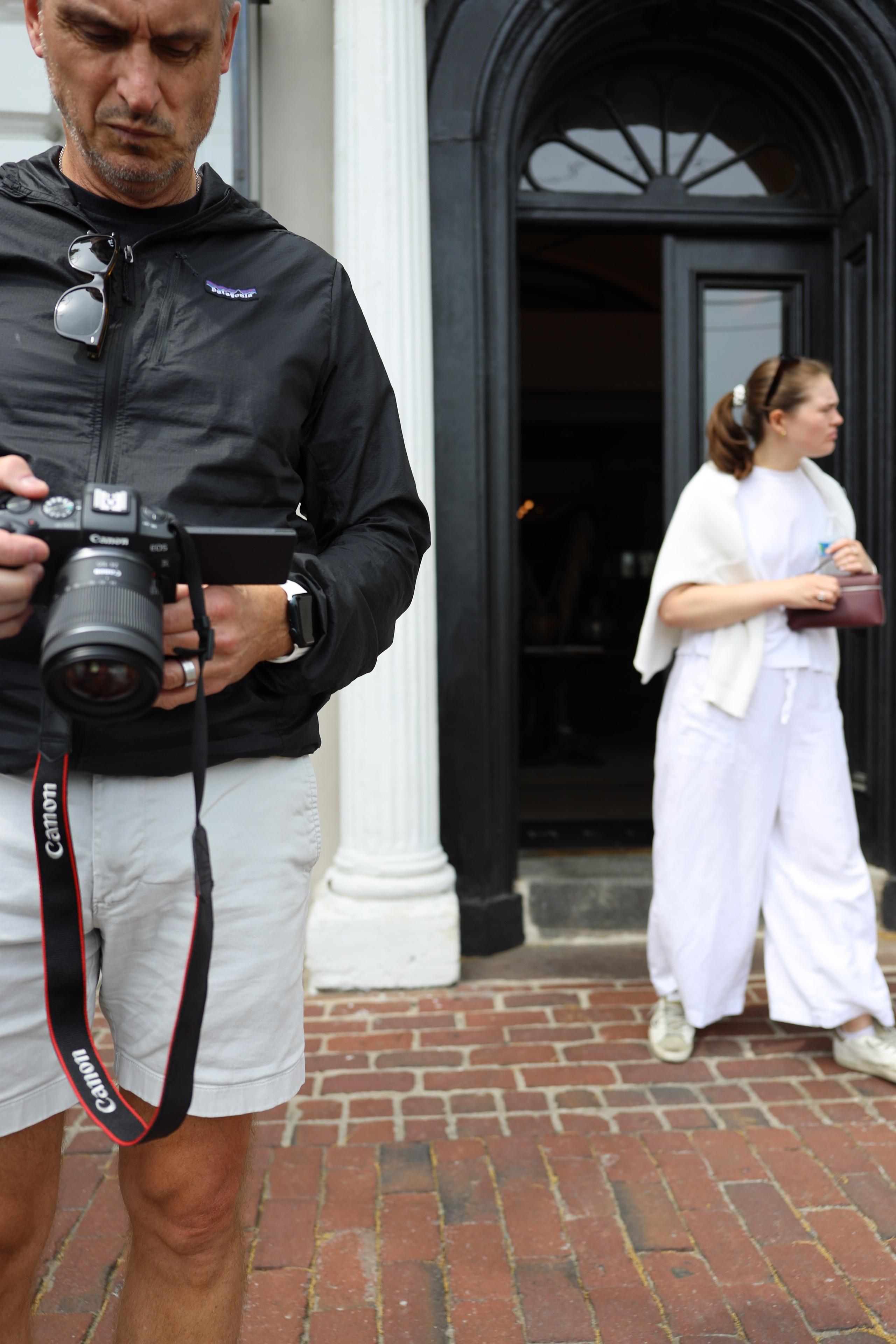
CHARLESTON WALK & SHOOT 2hr WORKSHOP (3-5pm)

SHALLOW DEPTH OF FIELD 2hr Workshop

FLATLAY PHOTOGRAPHY IN A CAFÉ 2Hr Workshop
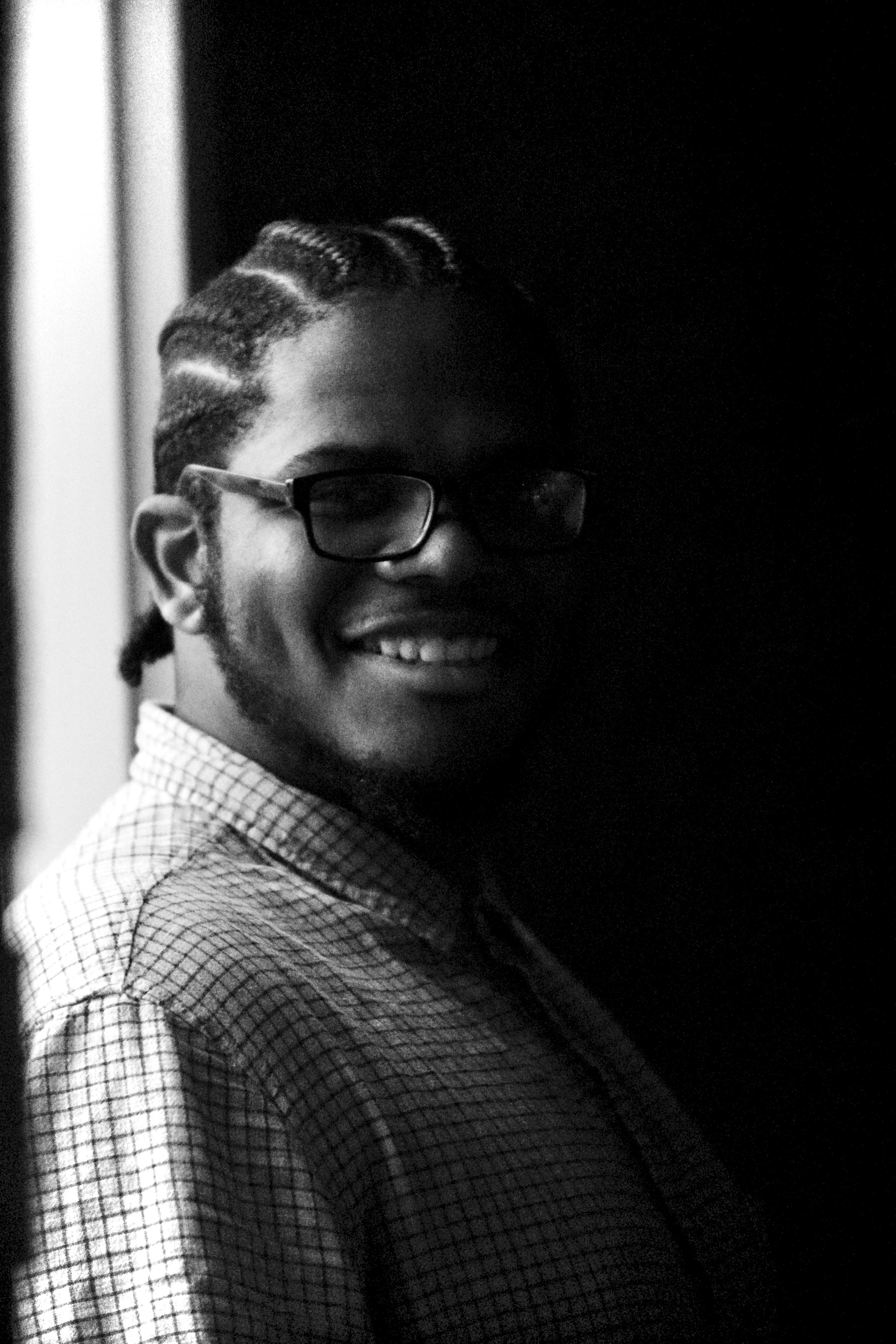
PORTRAITURE WITH NATURAL LIGHT 2hr Workshop
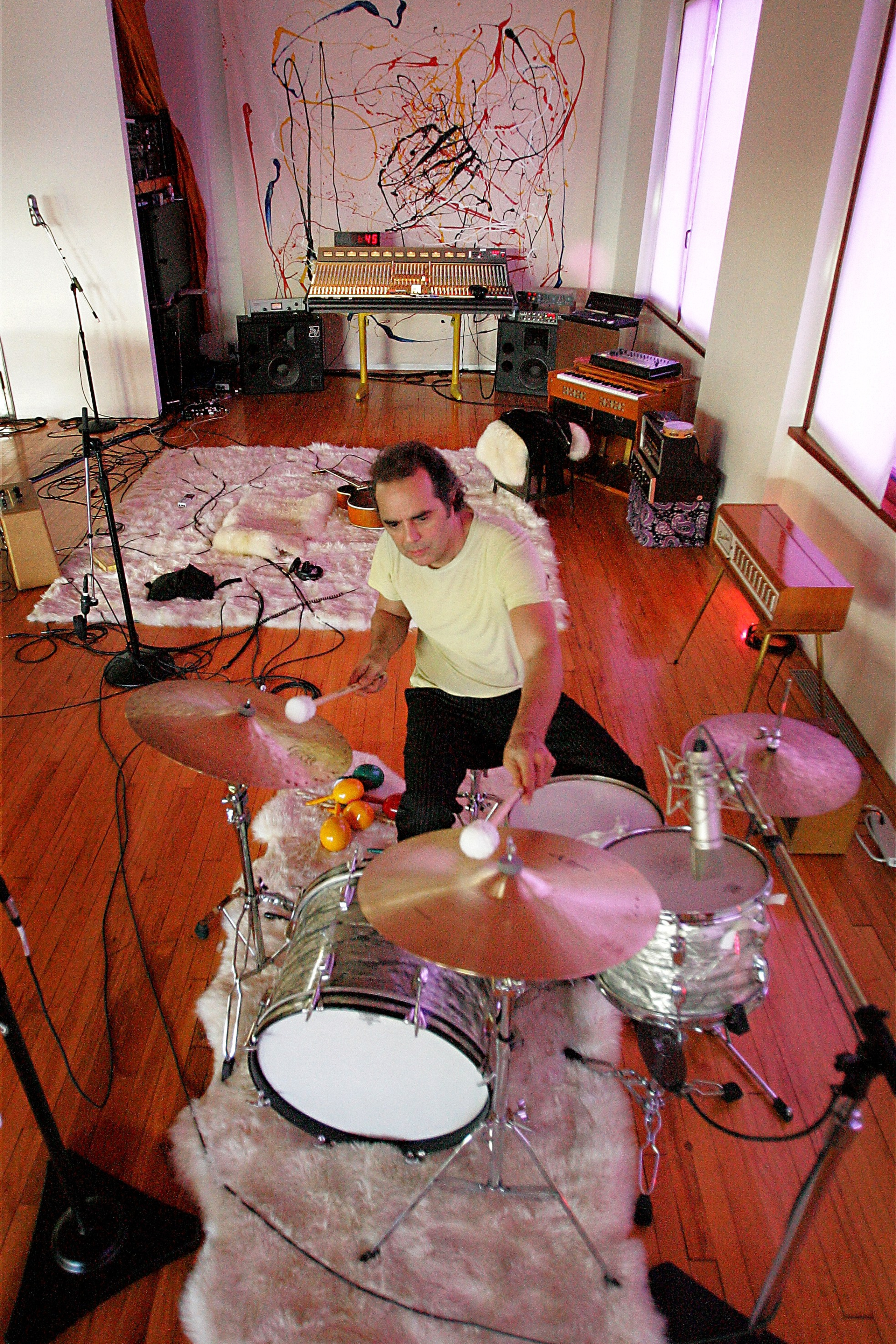
NIGHT PHOTOGRAPHY WALK — Based on the Spirit in the album “Oh Mercy”
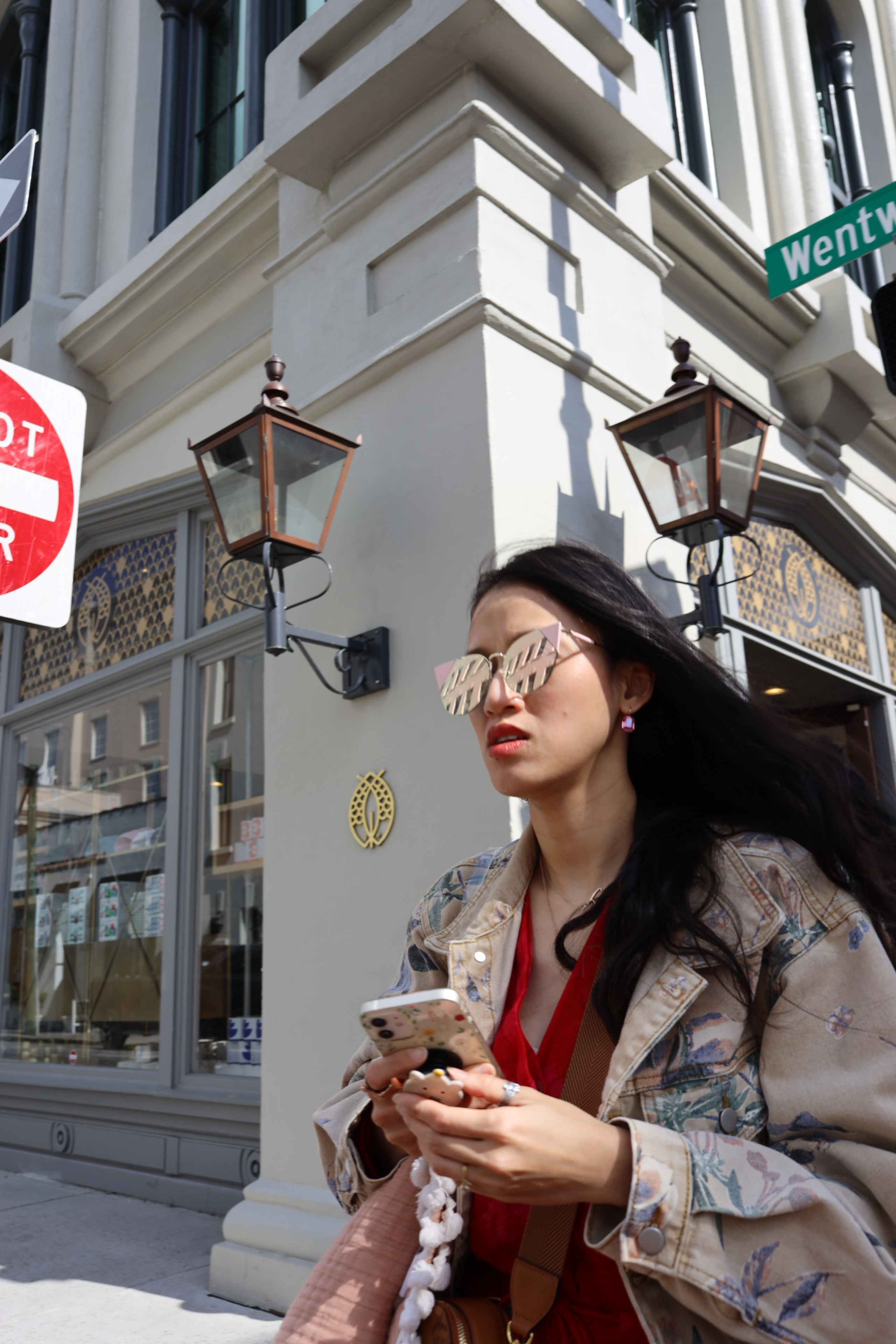
SMARTPHONE PHOTOGRAPHY 2hr Workshop
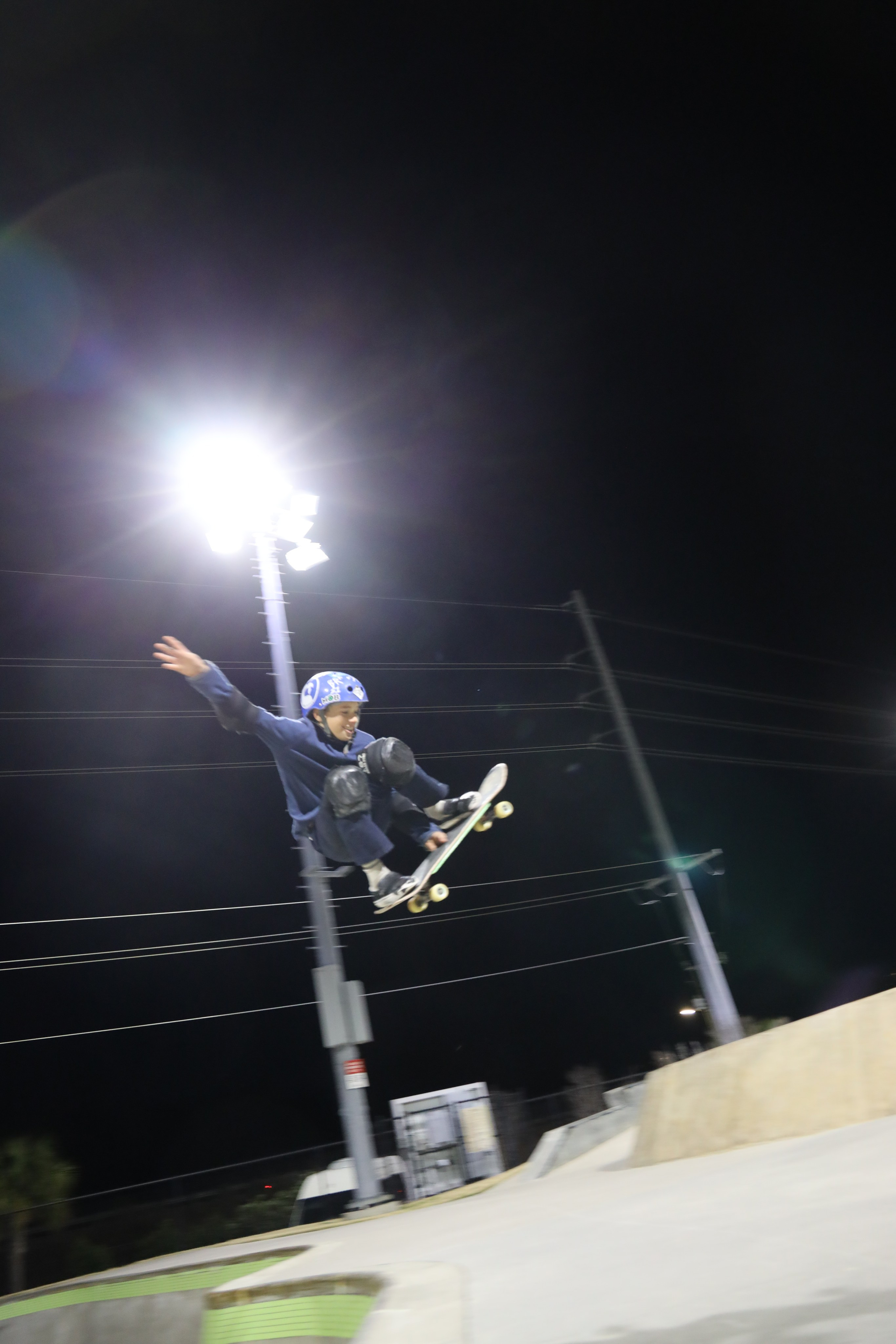
DOGTOWN PHOTOGRAPHY 2hr Workshop
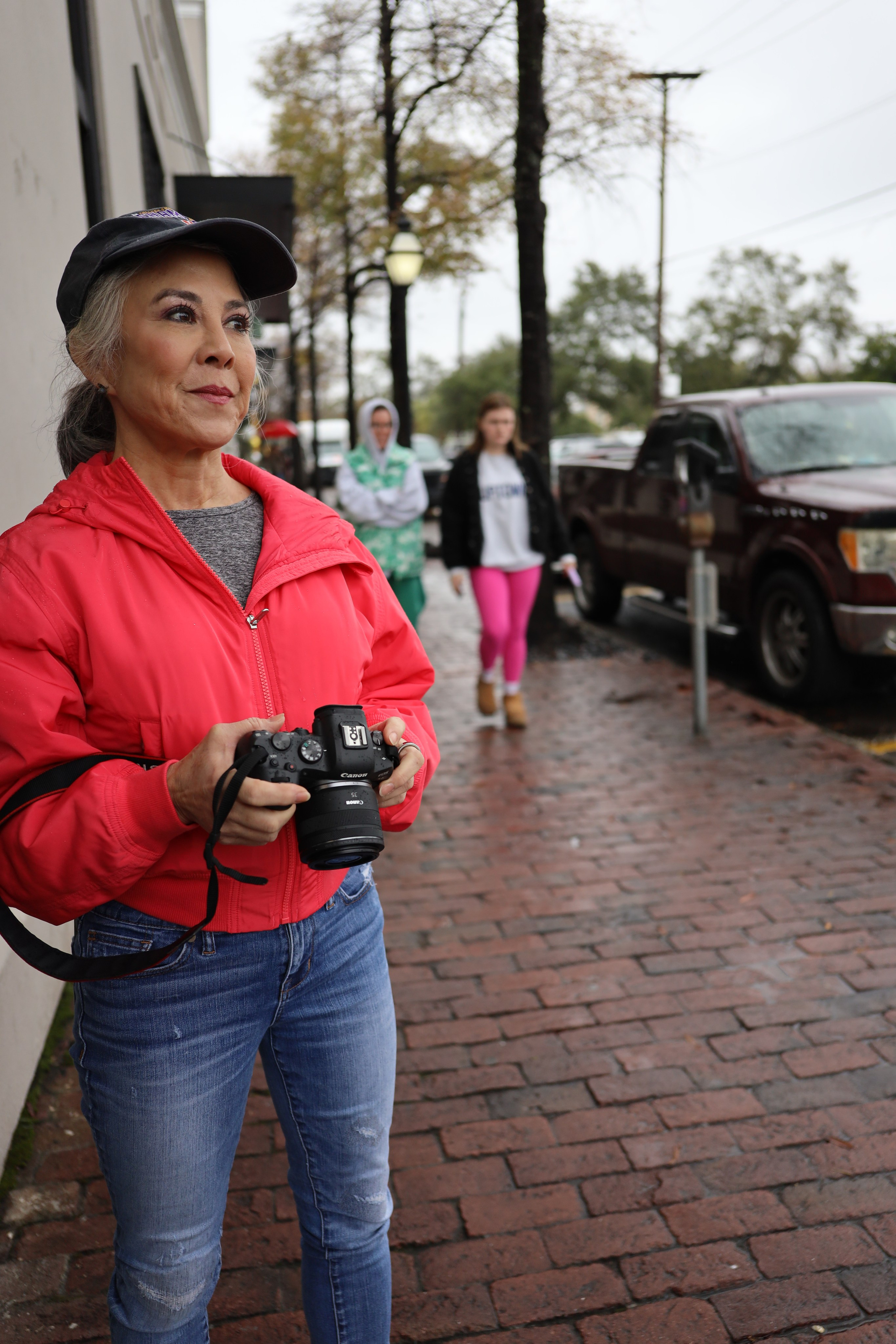
I like Sonny’s approach to teaching. He is very knowledgeable and talks to us at our respective levels. 5/5