FLATLAY PHOTOGRAPHY IN A CAFÉ
2-Hour Workshop — Seeing From Above
Workshop — Feb 28, 2026
Time — 10:00 AM — 12:00 PM
Instructor — Sonny Green @ www.sonny.photos
Meeting Place — Café location (announced after registration)
Price — $50 per person
READ FIRST: How to Use This Guide
This is a group workshop, not a private lesson.
We’ll move together, build together, and learn by doing.
You do not need advanced gear.
Smartphones, DSLR, and mirrorless cameras are all welcome.
You do need to know how to:
- tap or set focus
- adjust exposure
- review your images
This guide contains more material than we can cover in two hours.
That’s intentional.
Think of it as a field manual you’ll continue using long after the workshop ends.
Every section explains:
- what the idea is
- why it matters
- how it affects visual storytelling
- what we’ll practice on the table
Bring curiosity.
Bring patience.
Bring a willingness to slow down.
Coffee helps too.
OVERVIEW — Learning to See From Above
Flatlay photography is the art of seeing from above.
It removes the horizon.
It removes faces.
It removes perspective tricks.
What’s left is pure composition.
A flatlay turns ordinary moments—coffee cups, notebooks, hands, plates, light, crumbs, fabric—into visual stories built entirely from shape, spacing, rhythm, and restraint. There is nowhere to hide. No blur to rescue you. No dramatic angle to distract from weak choices.
In a flatlay, nothing is accidental.
Every object earns its place.
Every shadow carries weight.
Every inch of empty space is saying something.
This workshop is about learning to:
- compose with intention instead of instinct alone
- simplify scenes without killing personality
- build visual rhythm using repetition and variation
- tell quiet stories without faces or gestures
- understand how absence creates meaning
Flatlay photography teaches discipline.
You don’t “capture” a flatlay — you construct it.
You don’t wait for the moment — you decide the moment.
You don’t react to chaos — you remove it.
We’ll start with one object and build slowly.
We’ll practice editing with our hands before editing with software.
We’ll learn why removing one item often strengthens an image more than adding five.
This is not about making pretty café photos for social media.
This is about learning how images work.
This is a workshop about:
composition, composition, composition.
WHY FLATLAY?
Flatlay photography trains the eye faster than almost any other genre.
Why?
Because everything that usually distracts you is gone.
- The camera doesn’t move much
- The light is readable and predictable
- The frame is completely controlled
- Mistakes are obvious
- Decisions are visible
There’s no one else to blame.
If the image feels off, you did that.
If the image feels calm, you did that too.
Flatlay strips photography down to its bones:
- shape
- balance
- contrast
- spacing
- story
It forces you to ask real questions:
- Why is this object here?
- What happens if I remove it?
- Does this space feel intentional or empty?
- Where does my eye go first — and why?
- Is this image whispering or shouting?
These questions don’t stay in flatlay.
Once you train your eye this way, you carry it into:
- street photography
- portraiture
- documentary work
- product photography
- even landscapes
Flatlay sharpens your ability to see structure, not just content.
It teaches you that good photographs aren’t about more —
they’re about enough.
FIELD EXERCISE — “One Object, One Story”
This exercise slows students down and immediately reveals how composition works.
Step 1
Choose one simple object on the table:
- a coffee cup
- a notebook
- a spoon
- a phone
- a napkin
Place it in the center of the frame. Photograph it.
Step 2
Move the object slightly:
- top third
- bottom third
- hard left
- hard right
Photograph each position.
Step 3
Add one secondary object.
Nothing more.
Photograph again.
Step 4
Remove that object.
Photograph again.
Now review all the images and ask:
- Which version feels calm?
- Which feels tense?
- Which feels intentional?
- Which feels accidental?
This teaches students that placement alone changes meaning — even before styling, props, or editing.
Flatlay reveals this faster than any other genre.
PRO TIP — “If You’re Unsure, Remove”
Most beginners add when they should subtract.
If the image feels confusing, busy, or weak, don’t ask:
“What can I add?”
Ask:
“What can I remove?”
Flatlay rewards restraint.
One strong object in the right place beats five objects fighting for attention.
When in doubt:
- remove one thing
- re-shoot
- reassess
Clarity almost always improves.
Flatlay teaches the most important compositional lesson in photography:
Meaning comes from choice — not quantity.
When you’re ready, paste the next section (composition basics, spacing, negative space, rhythm, light, or workflow) and I’ll level it up the same way.
THIS WORKSHOP UNFOLDS IN THREE STAGES
PART I — SEEING FROM ABOVE
1. What Flatlay Really Is
A flatlay is not just “top-down photography.”
It’s editing in real time.
Because the camera looks straight down:
- perspective disappears
- hierarchy becomes clear
- composition becomes unavoidable
You can’t hide behind shallow depth of field.
You can’t rely on dramatic angles.
You must design the frame.
Flatlay teaches discipline.
It teaches restraint.
It teaches clarity.
Helpful Tip
Before you add anything to the frame, ask:
“What is this photo actually about?”
2. The Table Is Your Stage
In flatlay photography:
- the table is the background
- the surface sets the tone
- texture becomes atmosphere
Wood feels warm.
Marble feels clean.
Concrete feels modern.
Paper feels intimate.
You’ll learn how:
- surface color affects mood
- texture adds or subtracts noise
- light interacts differently with matte vs reflective tables
Helpful Tip
Neutral surfaces forgive mistakes.
Busy surfaces demand precision.
PART II — COMPOSITION AS STORY
3. The Power of Fewer Things
Flatlays fall apart when we include too much.
The strongest flatlays usually contain:
- 1 hero object
- 1–3 supporting elements
- intentional empty space
Every object should answer the question:
“What does this add to the story?”
If it doesn’t add meaning—it adds clutter.
Helpful Tip
Remove one object after you think you’re done.
The photo almost always improves.
4. Negative Space (The Quiet Hero)
Negative space is not “empty.”
It’s breathing room.
It:
- directs attention
- slows the eye
- gives importance to what remains
Café flatlays live and die by negative space.
Coffee needs room.
Light needs room.
Objects need silence around them.
Helpful Tip
If the image feels crowded, it is crowded.
5. Lines, Grids, and Visual Rhythm
From above, everything becomes geometry:
- circles (cups, plates)
- lines (cutlery, notebooks)
- grids (tiles, tables)
You’ll learn to:
- align objects subtly
- create flow without symmetry
- use repetition intentionally
- break patterns on purpose
Composition is rhythm.
Flatlay teaches timing without motion.
Helpful Tip
Your eye should move through the frame without getting stuck.
PART III — BUILDING THE IMAGE
6. Building a Flatlay Step by Step
We’ll start simple:
- one object
- one light direction
- one clean surface
Then we’ll build:
- add one element
- reassess
- add another
- reassess again
This teaches restraint.
It trains judgment.
It replaces guessing with intention.
Helpful Tip
If you don’t know what to add next, don’t add anything.
7. Light in a Café (Natural, Imperfect, Beautiful)
Café light is rarely perfect—and that’s the point.
We’ll work with:
- window light
- side light
- uneven light
- soft shadows
- reflections from tables and cups
You’ll learn how to:
- position objects relative to the window
- rotate the table instead of the camera
- use shadows as design elements
Helpful Tip
Flatlay light should feel honest, not flashy.
8. Hands, Gestures, and Human Presence
A hand entering the frame changes everything.
Suddenly the flatlay becomes:
- lived-in
- human
- temporal
We’ll explore:
- when to include hands
- when not to
- how gesture affects mood
- how movement freezes into story
Helpful Tip
Hands work best when they’re doing something real—not posing.
FIELD DRILLS (CAFÉ TABLE EXERCISES)
Drill 1 — One Object, Five Frames
Photograph the same object five times:
- centered
- off-center
- cropped
- with negative space
- with one supporting element
Notice how meaning shifts.
Drill 2 — The Removal Test
Build a flatlay with 5 objects.
Remove one object at a time and photograph after each removal.
Stop when the image feels strongest.
Drill 3 — Light Rotation
Keep the objects still.
Rotate the table or your body relative to the window.
Watch shadows redraw the composition.
WHAT YOU’LL LEAVE WITH
By the end of this workshop, you’ll understand flatlay photography as:
- visual storytelling
- intentional composition
- disciplined editing
- quiet design
You’ll leave with:
- stronger compositional instincts
- cleaner frames
- a calmer shooting process
- images that feel intentional, not accidental
Flatlay teaches you how to think before you shoot.
That skill transfers everywhere.
CLOSING
Flatlay photography is not about things.
It’s about decisions.
What you include.
What you exclude.
What you leave quiet.
A café table becomes a small universe.
A cup becomes a character.
Space becomes voice.
When you learn to compose from above,
you learn to see more clearly everywhere else.
Coffee helps.
But attention does the real work.
Events
PORTRAITURE WITH NATURAL LIGHT 2hr Workshop
NIGHT PHOTOGRAPHY WALK — Based on the Spirit in the album “Oh Mercy”
SMARTPHONE PHOTOGRAPHY 2hr Workshop
DOGTOWN PHOTOGRAPHY 2hr Workshop
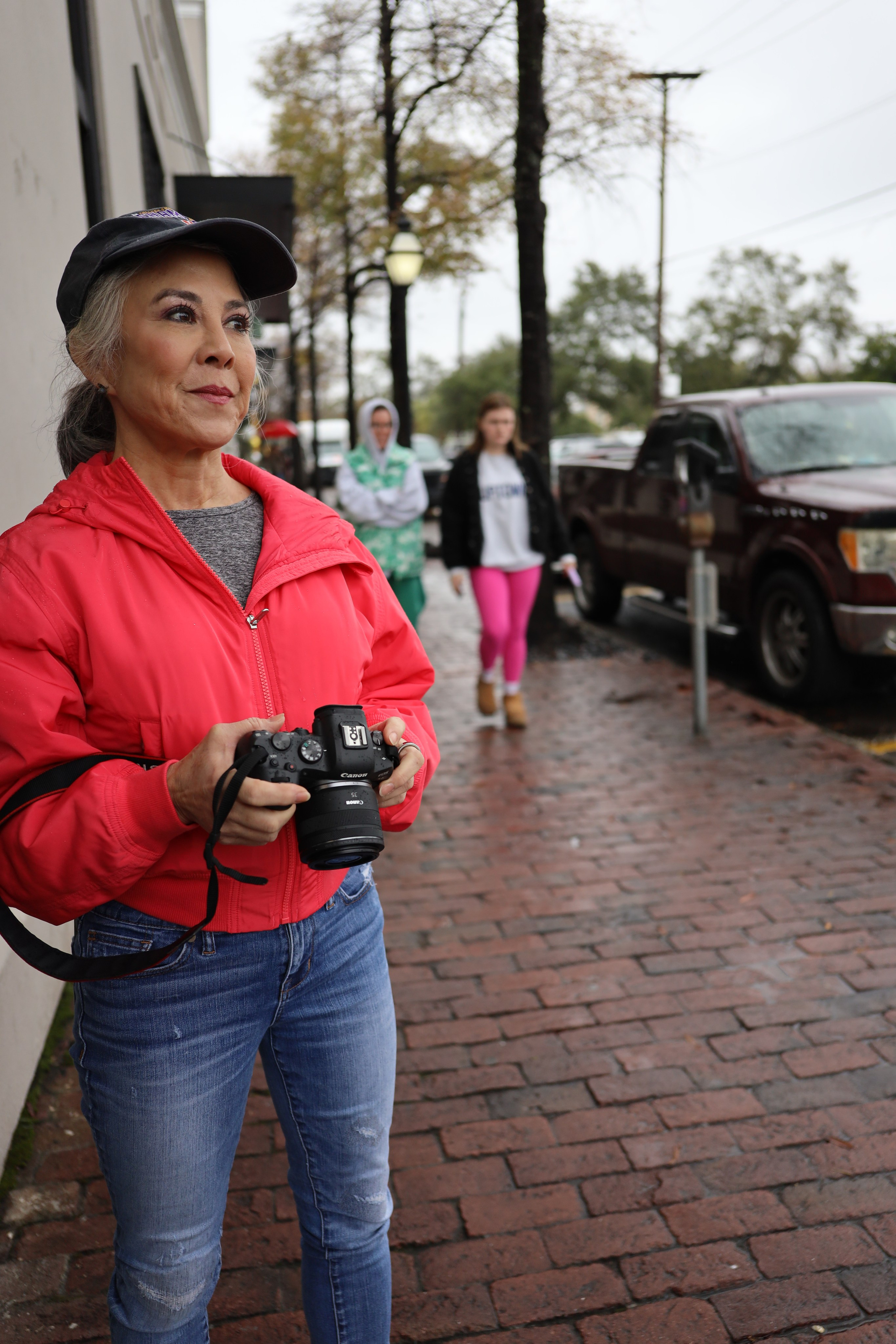
BEGINNER PHOTOGRAPHY 3hr Workshop
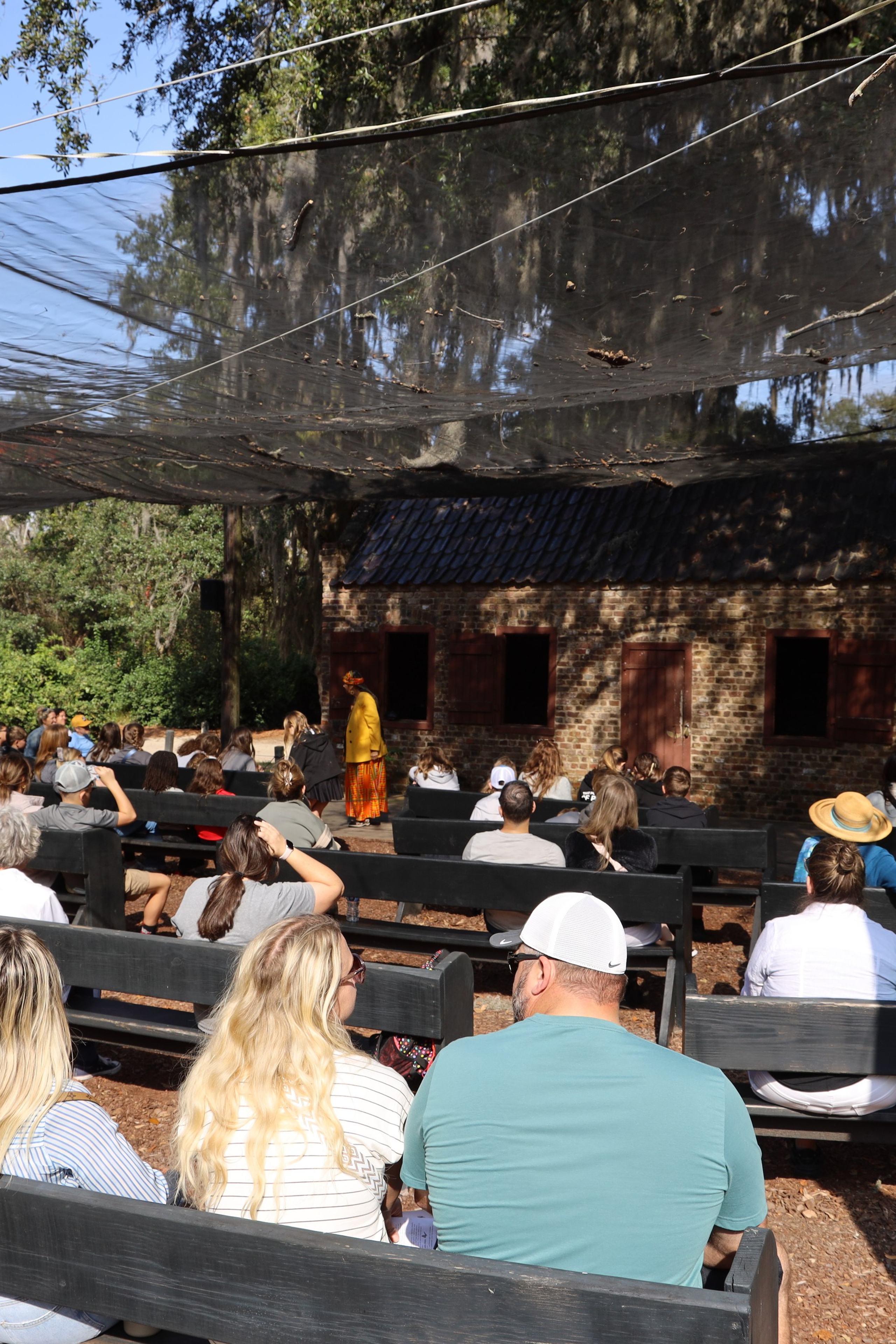
A HISTORIC VIEW OF PHOTOGRAPHY 2hr Lecture
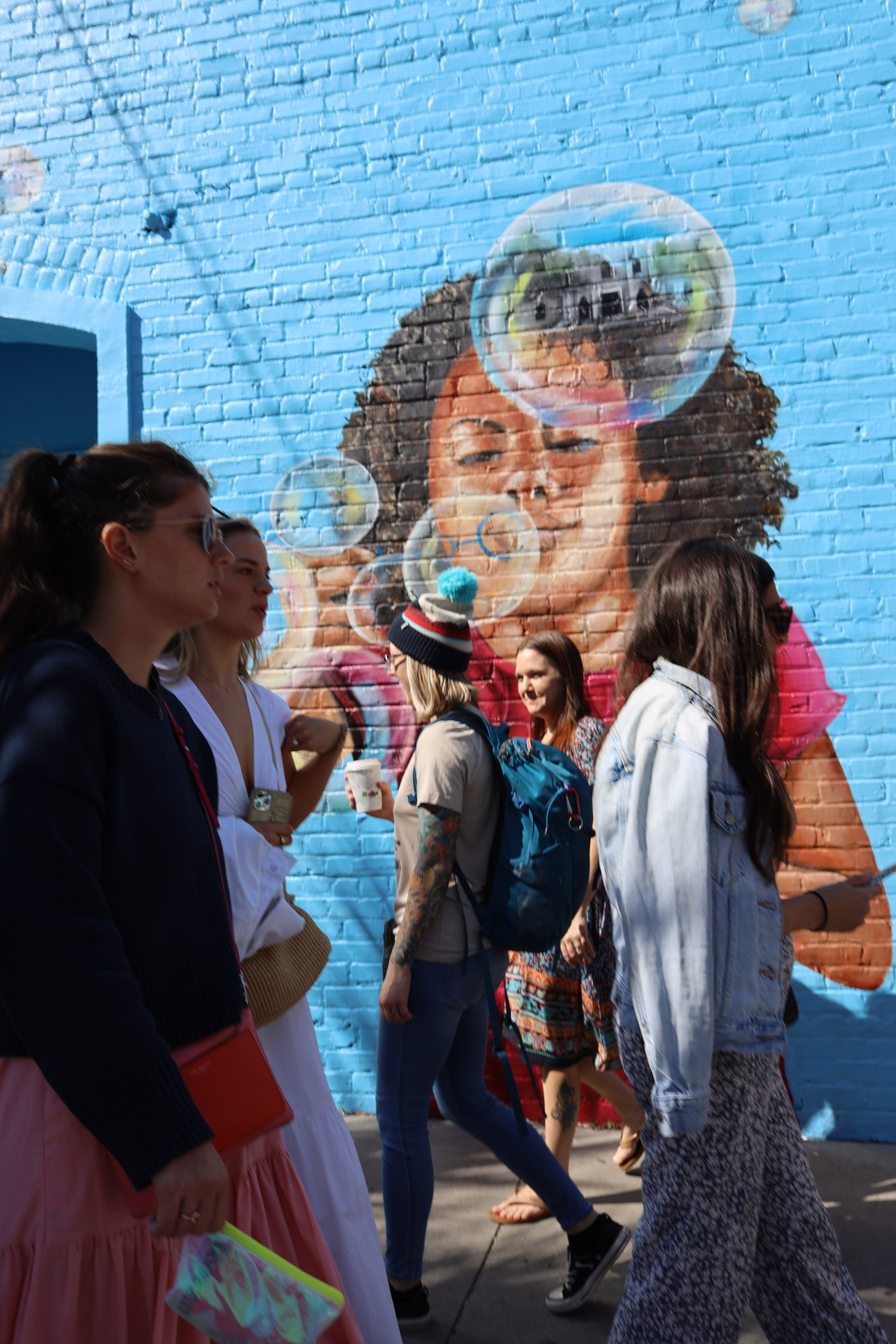
Charleston STREET PHOTOGRAPHY 2hr Workshop

CITYSCAPE PHOTOGRAPHY 2hr WORKSHOP — Learn to photograph the soul of a city
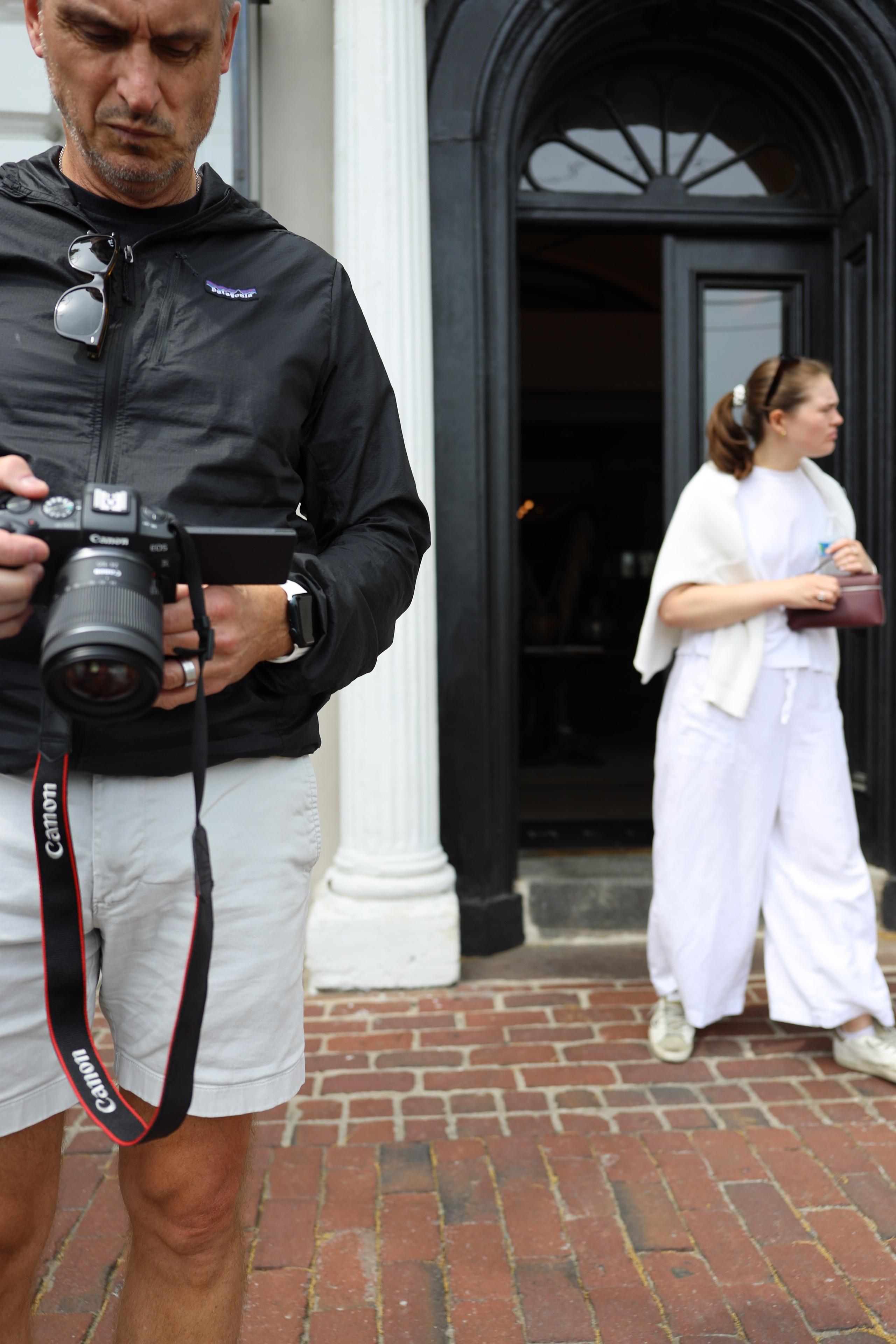
CHARLESTON WALK & SHOOT 2hr WORKSHOP (3-5pm)
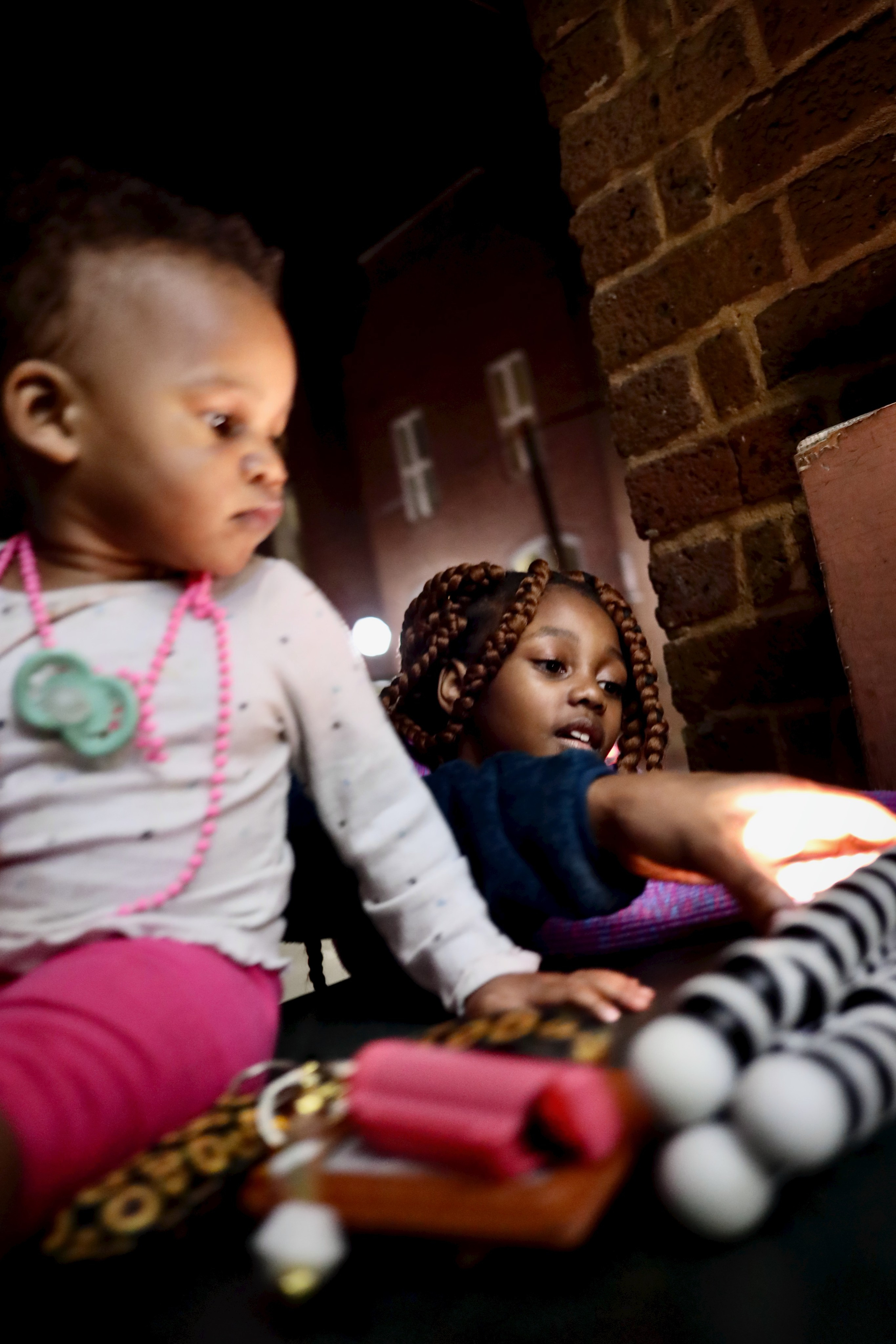
I had a great experience. Learned a lot from the instructor and had a fun time learning new skills. The best part of this experience is I came to learn one skill and left with a deeper understanding of multiple skills. It got me out my comfort zone. Well worth the time. 5 out of 5.