A CHARLESTON GROUP WALK & SHOOT Workshop
Street · Documentary · Architecture · Candids
2-Hour Walking Photography Workshop
Workshop — 3PM — 5PM: March 14, 2026
Instructor — Sonny Green @ www.sonny.photos
Meeting Place — Clerks Coffee Company (Emeline Hotel)
181 Church St, Charleston, SC 29 401
(Meet at the four chairs in the center of the coffee shop.)
If late, text 843-843-6542 to find us.
Price: $40 per person
READ FIRST: How to Use This Guide
This is a group workshop — not a private lesson.
That means we move together, learn together, and stay roughly on the same page. The more aligned the group is in skill level, the smoother the workshop will run.
Please know how to operate your own camera (phone or DSLR/mirrorless) before class. You don’t need to know aperture numbers or lens math — that’s what you’re here to learn — but you should know how to change focus and exposure on your device.
This guide is a roadmap, not a contract.
We may not cover every section in two hours — there is intentionally more information than time, so you can use this as take-home material to keep growing.
Every concept comes with:
- what it means
- why it matters
- how it affects mood
- what we’ll practice in the field
The more open, curious, patient, and respectful we are as a group, the stronger the workshop becomes.
Thank you for joining.
WORKSHOP OVERVIEW — Charleston, SC
This is a walking-based photography workshop rooted in Charleston, South Carolina, focused on learning how to photograph the real world as it unfolds—unscripted, unstaged, and in motion.
Charleston is uniquely suited for this kind of work. Its narrow streets, historic architecture, shifting coastal light, and steady flow of locals and visitors create a living environment where street, documentary, architecture, and candid photography naturally overlap. The city moves at a slower pace, but it is visually dense—layers of history, texture, and human behavior stacked closely together.
Rather than separating photography into rigid genres, this workshop treats street, documentary, architecture, and photographing people as parts of the same visual ecosystem. In Charleston, these elements are inseparable. Buildings shape how people move and pause. Doorways, alleys, and courtyards create predictable rhythms. Light filters differently through centuries-old streets. Human presence—whether direct or implied—completes the frame and gives meaning to space.
As we walk together through Charleston, students will learn how these elements interact in real time. The goal is not to hunt for images, but to recognize moments forming before they fully arrive—to notice how the city reveals itself slowly to those who pay attention.
This way of working builds patience, awareness, and confidence—skills that translate far beyond Charleston and apply across all forms of photography.
This workshop teaches students:
- How to see while moving through historic urban space, without rushing
- How to slow down without stopping, even in busy public areas
- How to respond instinctively to Charleston’s light, architecture, and human flow
- How to photograph confidently and respectfully in shared public spaces
The emphasis is on observation first, technique second. Cameras and smartphones are tools, but attention is the real skill being developed. By the end of the walk, students will have a clearer sense of how to move through Charleston with intention, curiosity, and visual awareness—skills they can carry into any city they photograph.
This is a practical, hands-on workshop designed to help photographers feel more comfortable, more present, and more capable when shooting outside—especially in a place as visually rich and layered as Charleston.
STRUCTURE AT A GLANCE
1:00–1:15 — Arrival, Mindset, Seeing Before Shooting
We begin by slowing down. In a city known for its charm and visual detail, it’s easy to rush past moments. This opening section focuses on grounding attention, setting intention, and shifting from everyday movement into photographic awareness. Students are encouraged to observe Charleston’s light, textures, and human rhythms before lifting the camera—learning to notice patterns without pressure to immediately make images.
1:15–1:45 — Street & Documentary Awareness
This section introduces the foundations of street and documentary photography as they apply specifically to Charleston. Students practice reading environments shaped by tourism and local life, recognizing repeating behaviors, and understanding how moments unfold differently in historic public spaces. The focus is on photographing honestly and attentively rather than reacting impulsively.
1:45–2:15 — Architecture, Rhythm, and Space
Charleston’s architecture becomes a primary teaching tool in this section. Students explore how narrow streets, historic facades, courtyards, and shaded walkways influence movement and visual rhythm. Architecture is treated as a stage rather than a subject, helping students learn how to use structure, lines, and light as compositional anchors while allowing life to pass through the frame naturally.
2:15–2:45 — People, Candids, and Confidence
Photographing people in Charleston presents unique challenges and opportunities. This section addresses how to include locals and visitors naturally and respectfully in public spaces. Through guided exercises and discussion, students learn how to read body language, build confidence, and understand when to shoot—and when not to. The emphasis is on awareness, ethics, and ease within a shared urban environment.
2:45–3:00 — Reflection and Next Steps
We close by slowing down again. Students reflect on what they noticed while walking through Charleston, what shifted in their approach, and what felt challenging or surprising. The workshop ends with guidance on how to continue this walking practice independently—returning to the same streets, noticing new layers, and building consistency over time.
PART I — ARRIVING & LEARNING TO SEE
Core Idea
Before technique comes attention.
If the mind is rushed, the photographs will be rushed too.
This first section is about transitioning from everyday movement into photographic awareness. Most people arrive carrying momentum—thinking about time, settings, results, or what they hope to “get.” This workshop begins by intentionally slowing that momentum down.
Photography does not start when the camera is raised.
It starts when attention becomes deliberate.
Teaching Points
Walking speed affects perception
When we move quickly, we see broadly but shallowly. Slowing the body allows details, relationships, and patterns to emerge. Street photography improves immediately when walking speed drops.
Street photography begins before the camera is raised
Good photographs are recognized before they are taken. If students wait to think until the camera is at eye level, they will always be late to the moment.
The goal is not coverage—it’s presence
This workshop is not about collecting images. It’s about learning how to notice what is already happening. Presence creates clarity. Clarity leads to stronger images.
Exercise 1: The One-Minute Stillness
Before walking, students stop completely for 60 seconds.
No cameras. No phones. No movement.
Students silently identify:
- One sound they hadn’t noticed before
- One moving object in the environment
- One distinct area of light
- One human interaction or gesture
They do not photograph any of these. They simply notice them.
Why It Works
This exercise resets the nervous system and pulls attention out of the camera and back into the body. It interrupts the urge to immediately perform or produce images and replaces it with awareness.
Street photography requires calm observation. This minute of stillness establishes that tone from the beginning.
Instructor Tip:
Encourage students to resist the urge to “look harder.” Let the environment come to them instead.
Exercise 2: No-Photo Warm-Up Walk
For the first 3–5 minutes of walking:
- Cameras stay down
- No photos are taken
- Students walk and only observe potential compositions
Students are asked to notice:
- Where light is falling
- Where people pause or pass through
- Where backgrounds repeat
- Where moments might happen
They are not asked to remember everything—only to notice.
Teaching Tip
Tell students clearly:
“If you can’t describe the photo in words, you’re not ready to make it yet.”
This helps students understand that seeing comes before shooting. Description is a test of clarity. If the image can’t be articulated, it hasn’t fully formed.
Closing Thought for This Section
This opening phase is not passive—it’s foundational. By slowing down without stopping, students begin to shift from reaction to intention. Everything that follows in the workshop builds on this ability to notice before acting.
PART II — STREET & DOCUMENTARY TECHNIQUES
Core Idea
Street and documentary photography are about anticipation, not reaction.
Most beginners shoot after something happens. Strong street photographs are made by photographers who recognize patterns, predict movement, and wait for moments to complete themselves inside a prepared frame.
Great images happen when you:
- Read the environment
- Predict how people and light will move
- Allow moments to arrive instead of chasing them
This section trains students to stop reacting and start positioning.
Teaching Points
The environment tells you what’s coming
Light patches, doorways, corners, and crosswalks act like magnets. People repeat behaviors in predictable ways. Once students learn to read these patterns, the work becomes calmer and more intentional.
Waiting is an active skill
Waiting is not doing nothing. It is choosing a frame, holding position, and staying alert. This is where many photographers struggle—and where growth happens fastest.
Completion matters
Moments feel strongest when they finish themselves inside the frame. Half-gestures and rushed timing weaken images. Patience strengthens them.
Exercise 3: Frame Before the Subject
Students begin by choosing a frame before anything happens.
They:
- Identify a strong background (light patch, shadow, wall, doorway)
- Set their composition
- Do not chase people or events
- Wait for someone or something to enter the frame naturally
The camera stays ready, but the feet stay planted.
Tip
The frame should be ready before life shows up.
If students are still composing when the subject arrives, they are already late.
Why This Works
This exercise reverses the most common mistake in street photography—chasing moments. Instead, students learn to let moments come to them, which creates calmer, more intentional images.
Variation: Orientation Awareness
From the same position, students must make:
- One vertical image
- One horizontal image
No moving their feet.
Teaching Tip:
This forces students to understand how orientation changes meaning, balance, and visual weight—without changing the scene itself.
Exercise 4: One Block, One Visual Rule
Each student chooses one visual rule and commits to it for an entire block.
Options include:
- Shadows only
- Reflections only
- Only people entering or exiting frames
- Only movement or motion blur
No switching rules mid-block.
Why It Works
Constraints reduce panic and decision fatigue. When students stop asking “What should I shoot?” they begin to see more clearly. Limitation sharpens awareness and reveals patterns faster.
Instructor Tip:
Remind students that this is not about results. It’s about training attention.
Exercise 5: Slow Down, Shoot Less
Students limit themselves to:
- One photograph every 20–30 seconds
No burst mode. No rapid firing.
They must:
- Pause
- Observe
- Decide
- Then shoot
Teaching Tip
Say this clearly and often:
“If you’re shooting constantly, you’re reacting—not observing.”
This exercise builds discipline and intention. It encourages students to trust their timing instead of relying on volume.
Closing Thought for This Section
Street and documentary photography are not fast practices—they only look that way from the outside. This section teaches students how to slow their bodies, sharpen their anticipation, and let moments finish themselves. Once this skill clicks, everything else becomes easier.
PART III — ARCHITECTURE AS STAGE
Core Idea
Architecture is not the subject.
It is the stage where human life repeats itself.
Buildings shape behavior long before a person enters the frame. They tell people where to pause, where to walk, where to wait, and where to gather. Light interacts with these structures in predictable ways, creating patterns that repeat all day long.
When photographers stop treating buildings as static objects and start treating them as environments for human movement, architecture becomes one of the most powerful tools for storytelling.
Buildings create:
- Pauses
- Pathways
- Habits
- Light patterns
This section teaches students how to use architecture as a compositional foundation rather than a destination.
Teaching Points
Architecture predicts behavior
People slow down near doors. They hesitate at corners. They follow sidewalks and shade. When students learn to read these cues, they can anticipate moments before they happen.
Still structures support moving life
Strong photographs often come from the tension between fixed geometry and human motion. Architecture provides stability. People provide energy.
Light reveals structure
Light describes form. It creates edges, depth, and rhythm. Students are encouraged to notice how light interacts with surfaces before looking for people.
Exercise 6: Fixed Frame Discipline
Students choose one architectural frame, such as:
- A doorway
- A window
- A wall or corner
- An intersection of light and shadow
Once chosen:
- Feet stay planted
- The frame does not change
- Students photograph what passes through naturally
No chasing. No repositioning.
What This Teaches
- Patience over impulse
- Timing over speed
- Letting the world come to you instead of pursuing it
This exercise reinforces the idea that good images often require less movement, not more.
Instructor Tip:
Encourage students to stay longer than feels comfortable. The strongest moments often happen after the urge to move passes.
Exercise 7: Lines & Flow
Students shift focus to geometry and rhythm.
They actively look for:
- Leading lines
- Repeating shapes
- Visual patterns in architecture
- Light creating directional flow
From the same area, students shoot:
- One image where geometry is the primary subject
- One image where geometry supports a human moment
Tip
Architecture should guide the eye, not dominate it.
If the building overwhelms the human presence, the image becomes static. If the geometry quietly supports the moment, the image gains depth and meaning.
Exercise 8: Background First
Before pressing the shutter, students must ask themselves:
“Would this background still be interesting without a person?”
If the answer is no, they wait.
Why This Matters
A weak background cannot be saved by a strong subject. Strong street and documentary photographs begin with solid visual foundations.
This exercise trains students to:
- Evaluate frames honestly
- Avoid cluttered or lazy compositions
- Build images layer by layer
Closing Thought for This Section
Architecture teaches discipline. It slows photographers down and forces them to commit to structure, light, and balance. Once students learn to see buildings as stages rather than subjects, the city becomes a predictable, generous place to photograph.
From here, we move into the most human—and often most intimidating—part of the workshop: photographing people.
PART IV — PHOTOGRAPHING PEOPLE & CANDIDS
Core Idea
Fear around photographing people is normal.
Confidence comes from clarity of intention, not boldness.
Most discomfort in street photography comes from uncertainty—Should I be doing this? Am I allowed? What if they notice me? This section reframes photographing people as an act of observation, not confrontation.
When photographers are calm, intentional, and aware, their presence blends into the environment. Confidence is not about being aggressive or fearless—it’s about knowing why you are making the photograph.
Teaching Points
You don’t need permission to observe
Public life is observable by nature. Photographing people in public spaces is a form of visual note-taking. Observation becomes intrusive only when intention is careless.
You do need awareness and respect
Knowing when not to take a photograph is as important as knowing when to press the shutter. Ethics are part of craft.
Body language matters more than gear
People respond to posture, eye contact, and movement—not cameras. Calm movements and neutral body language communicate respect and ease.
Exercise 9: Indirect Inclusion
Students begin by including people without making them the central subject.
They photograph:
- Reflections in windows or glass
- Shadows cast on walls or sidewalks
- Partial figures (hands, feet, backs)
- People softened by foreground blur
Why It Works
This approach allows students to practice photographing human presence without pressure. It builds confidence gradually while still producing meaningful, human images.
Instructor Tip:
Remind students that presence is often stronger than portraiture.
Exercise 10: The Side-On Rule
Students are asked to:
- Avoid head-on shots
- Photograph from the side or from behind
- Let people pass through the frame rather than stopping them
Tip
Side-on angles feel observational, not intrusive.
They mirror how we naturally notice people in everyday life—peripherally, in motion, and without confrontation.
This exercise helps students blend into the environment instead of standing apart from it.
Exercise 11: Three Intentional Frames
Each student must make:
- Three photographs that include people
- Take one full breath before each shot
- Use no burst mode
The breath acts as a pause—a moment of clarity before commitment.
Teaching Tip
Say this clearly and out loud:
“You are allowed to take your time.”
This gives students permission to slow down and trust their instincts instead of rushing through discomfort.
Ethical Reminder
If a moment feels uncomfortable:
- Don’t shoot
- Or stop after one frame
There is no obligation to take every possible photograph.
Street photography is not about winning, collecting, or proving courage.
It is about witnessing life with care and intention.
Closing Thought for This Section
Photographing people becomes easier when the goal shifts from “getting the shot” to understanding the moment. With clarity, patience, and respect, confidence grows naturally—and the images become stronger because of it.
PART V — WRAP-UP & CONTINUATION
Core Idea
The workshop doesn’t end with more shooting.
It ends with choosing.
Photography is not only about making images—it’s about recognizing which images matter to you. This final section shifts students from production into reflection, helping them understand what they were actually responding to during the walk.
Group Reflection
Before looking at any photos, students are asked to reflect quietly on the experience.
Guided reflection questions:
- What changed when you slowed down?
- What did you notice after you stopped chasing shots?
- What felt difficult—and why?
- When did you feel most present while shooting?
These questions help students connect emotional awareness to visual decision-making.
The One Image Exercise (Emotional Edit)
Each student is asked to select one photograph from the workshop.
Not two.
Not a sequence.
Just one.
The instruction is simple:
“Choose the image you feel emotionally correct with—not the sharpest, not the most impressive, but the one that feels true to your experience today.”
This image becomes their winner—their personal anchor from the walk.
Why This Matters
Most photographers struggle not with shooting, but with editing. This exercise introduces editing as an emotional and intuitive process, not a technical one.
Choosing one image forces clarity. It reveals what each student was actually paying attention to.
Group Viewing & Sharing
One at a time, each student shares their selected image with the group.
They briefly explain:
- What drew them to it
- What moment or feeling it represents
No critique.
No technical analysis.
Just listening and recognition.
Instructor Tip:
Keep this portion calm and unhurried. The goal is connection, not comparison.
Closing Insight
After viewing everyone’s single image, students are reminded:
- One photograph is enough
- Emotional clarity matters more than quantity
- Editing is part of seeing
This reinforces the idea that photography is a practice of attention, not accumulation.
How to Continue After the Workshop
Weekly Practice Ideas
- Walk the same route once a week
- Shoot only one focal length or perspective
- Choose one theme per walk
- Review images the next day, not immediately
Distance creates honesty.
Long-Term Tip
Street photography improves faster through repetition, not variety. Returning to the same places with new awareness builds deeper understanding than constantly chasing new locations.
Final Note
This workshop doesn’t promise perfect photos.
It teaches a way of moving through the world with a camera—one rooted in attention, patience, and emotional clarity.
It’s a practice you can return to every time you step outside.
Events
SHALLOW DEPTH OF FIELD 2hr Workshop
FLATLAY PHOTOGRAPHY IN A CAFÉ 2Hr Workshop
PORTRAITURE WITH NATURAL LIGHT 2hr Workshop
NIGHT PHOTOGRAPHY WALK — Based on the Spirit in the album “Oh Mercy”
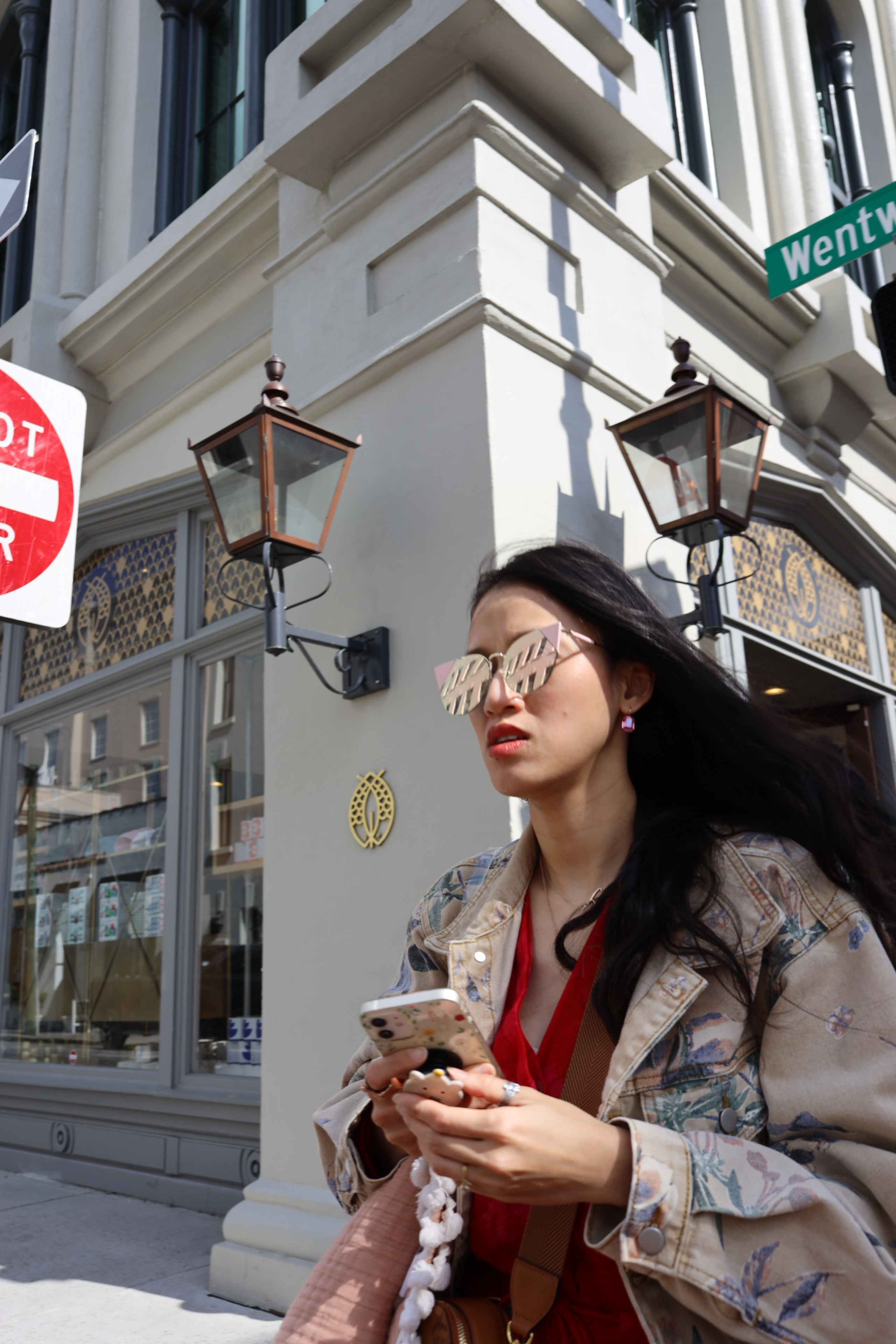
SMARTPHONE PHOTOGRAPHY 2hr Workshop
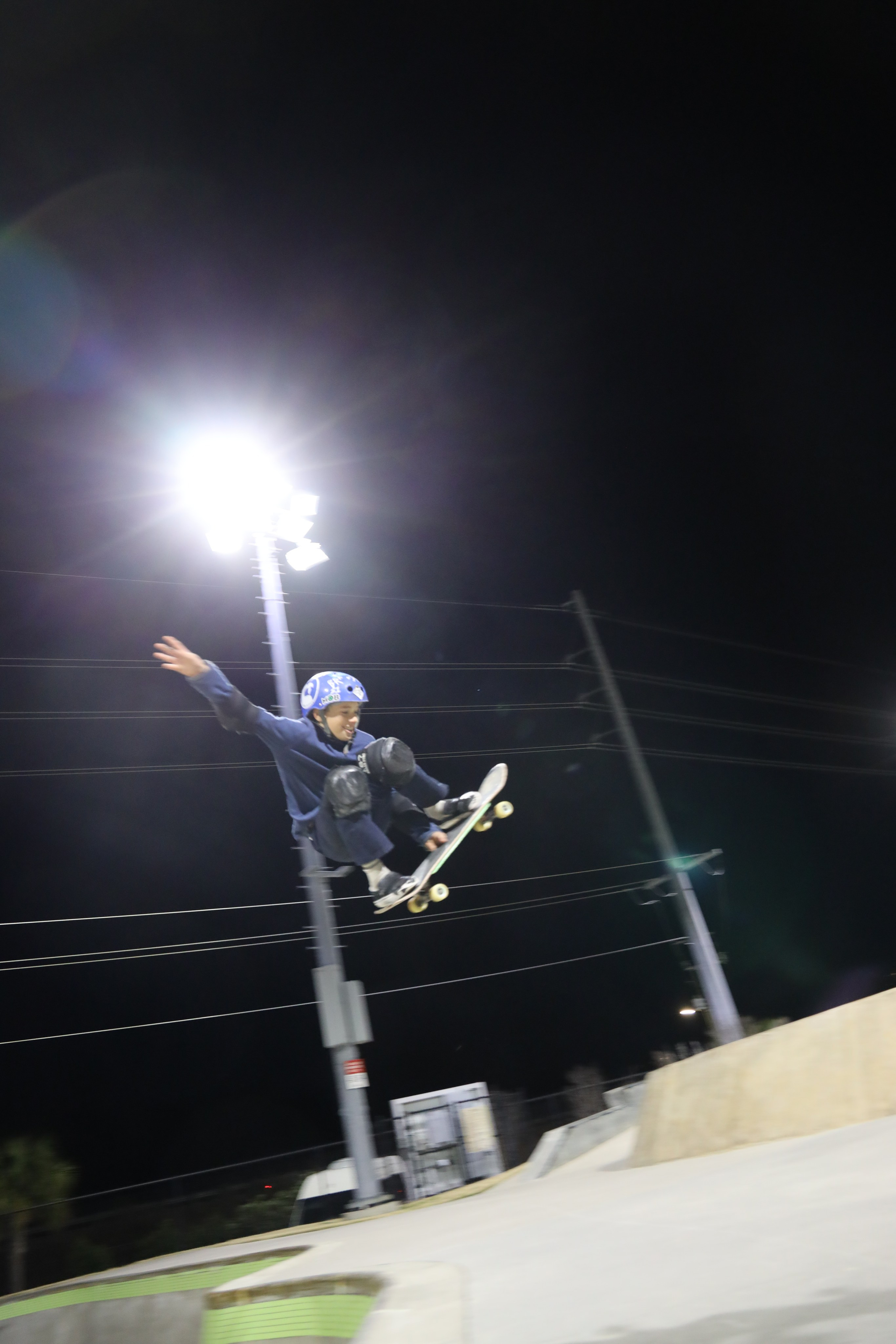
DOGTOWN PHOTOGRAPHY 2hr Workshop
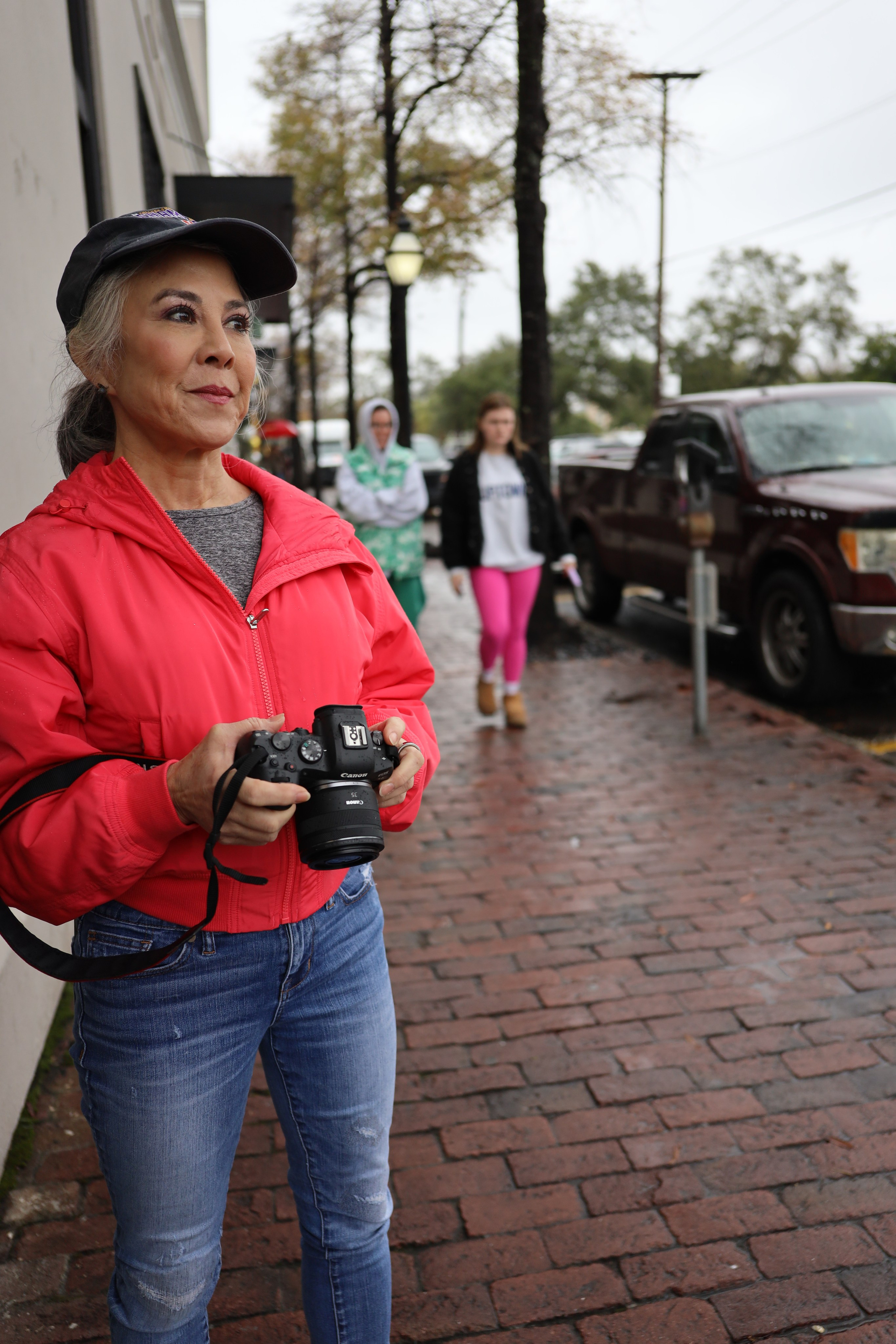
BEGINNER PHOTOGRAPHY 3hr Workshop
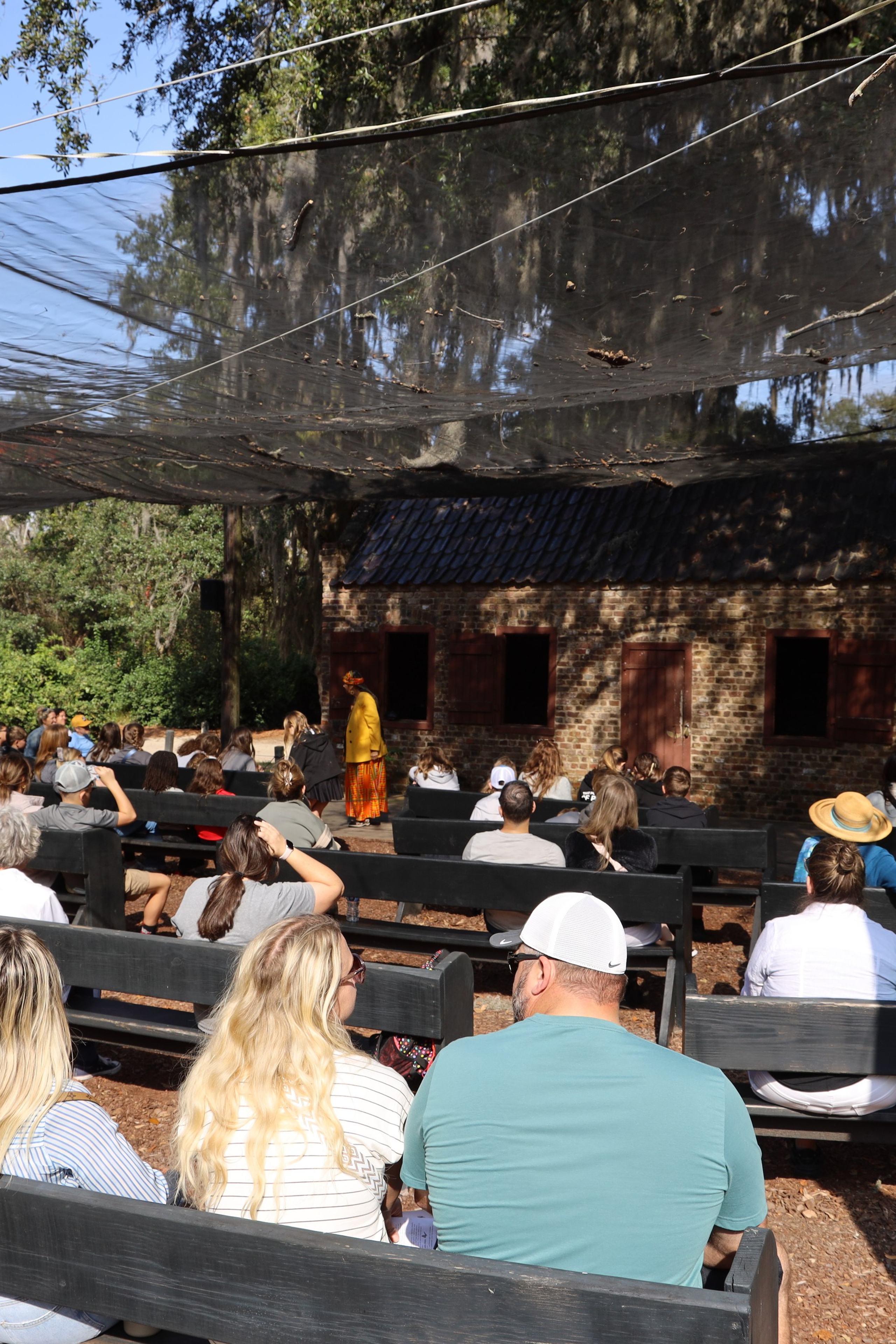
A HISTORIC VIEW OF PHOTOGRAPHY 2hr Lecture
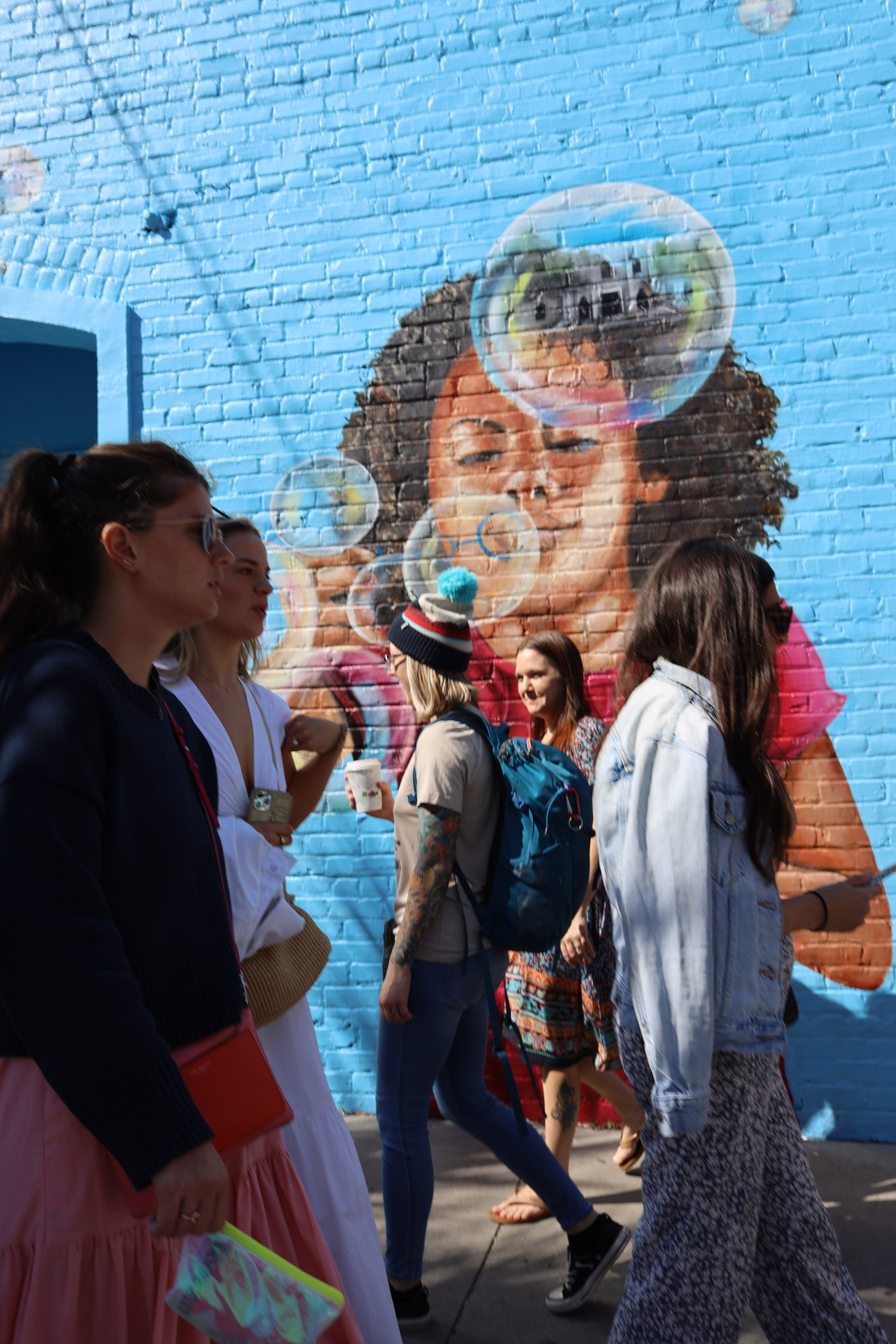
Charleston STREET PHOTOGRAPHY 2hr Workshop

Sonny is extremely knowledgeable and is a good teacher. His syllabus is very comprehensive and his willingness to help (answer questions) after the course is great. 5/5