Where Light Gives Up: Expanding Your Creative Photography at Night
Inspired by the atmospheric production of Daniel Lanois on the album “Oh Mercy”, this workshop moves beyond neon and spectacle into shadow, restraint, and emotional distance. We work with the quiet glow of streetlights, porch bulbs, and passing headlights — learning to photograph what light barely touches. Designed for photographers who want to expand creatively, this experience is about atmosphere, patience, and seeing differently in the dark.
Street · Documentary · Architecture · Candids
2-Hour Walking Photography Workshop
Workshop — 7–9PM: Feb 21, 2026
Instructor — Sonny Green @ www.sonny.photos
Meeting Place — Clerks Coffee Company (Emeline Hotel)
181 Church St, Charleston, SC 29 401
(Meet at the four chairs in the center of the coffee shop.)
If late, text 843-843-6542 to find us.
Price: $50 per person
READ FIRST: How to Use This Guide
This is a group workshop — not a private lesson.
That means we move together, learn together, and stay roughly on the same page. The more aligned the group is in skill level, the smoother the workshop runs. Please know how to operate your own camera (phone or DSLR/mirrorless) before class. You don’t need to know aperture numbers or lens math — that’s what you’re here to learn — but you should know how to change focus and exposure on your device. This guide is a roadmap, not a contract. We may not cover every section in two hours — there is intentionally more information than time, so you can use this as take-home material to keep growing.
Every concept comes with:
- what it means
- why it matters
- how it affects mood
- what we’ll practice in the field
The more open, curious, patient, and respectful we are as a group, the stronger the workshop becomes.
Thank you for joining.
Mood Keywords Defined
Before we begin there a few words or terms you need to digest:
Night Air
Emotional Tone:
Stillness. Breath. The sense that the world has exhaled.
What It Feels Like:
Cool or heavy air pressing gently against skin. Sound slightly softened. Movement slowed.
What It Looks Like Photographically:
• Slight haze around lights
• Subtle diffusion
• Dark sky with gentle glow near the horizon
• Minimal activity
Creative Translation:
Photograph atmosphere — not activity.
Capture how the night holds the scene.
Southern Humidity
Emotional Tone:
Weight. Thickness. Intimacy.
What It Feels Like:
Air that feels dense. Light that doesn’t travel cleanly. Sound that lingers.
What It Looks Like Photographically:
• Halos around streetlights
• Slight softness in distant detail
• Moisture on pavement
• Light that feels absorbed rather than reflected
Creative Translation:
Let light bloom slightly.
Avoid overly crisp contrast.
Allow the image to feel layered and thick.
Sodium Light
Emotional Tone:
Weathered warmth. Urban melancholy. Faded gold.
What It Feels Like:
Old streetlamps casting amber glow. A warmth that feels aged, not cheerful.
What It Looks Like Photographically:
• Deep amber tones
• Muted yellows
• Low contrast
• Shadow-heavy frames
Creative Translation:
Preserve the warmth.
Do not over-correct white balance.
Let the amber remain imperfect.
Loneliness
Emotional Tone:
Presence without connection. Isolation without drama.
What It Feels Like:
Being near others but emotionally separate.
A single window lit in a dark building.
What It Looks Like Photographically:
• Small figures in large frames
• Subjects turned away
• Empty chairs or quiet rooms
• One light source in darkness
Creative Translation:
Avoid eye contact portraits.
Use space to emphasize separation.
Let subjects feel distant, not theatrical.
Space
Emotional Tone:
Breathing room. Psychological openness.
What It Feels Like:
Silence between words. Pause between thoughts.
What It Looks Like Photographically:
• Large areas of darkness
• Wide framing
• Minimal clutter
• Subjects placed off-center
Creative Translation:
Resist filling the frame.
Allow emptiness to carry weight.
Distance
Emotional Tone:
Observation without intrusion. Emotional buffer.
What It Feels Like:
Watching from across the street.
Hearing a voice echo slightly in a large room.
What It Looks Like Photographically:
• Shooting across streets or rooms
• Subjects partially obscured
• Framing through doorways or windows
• Slight physical separation
Creative Translation:
Do not move closer automatically.
Let distance shape narrative.
Quiet Tension
Emotional Tone:
Subtle unease. Held breath. Anticipation without event.
What It Feels Like:
Something might happen — but doesn’t.
What It Looks Like Photographically:
• Heavy shadow
• Uneven lighting
• Off-balance composition
• Partial visibility
Creative Translation:
Underexpose slightly.
Leave information hidden.
Allow ambiguity.
Final Thought on the Terms
These moods are not dramatic.
They are restrained.
They do not shout.
They hum.
If the image feels loud — you’ve drifted away from “Oh Mercy.”
If it feels like a voice floating in a large, dim room — you’re close.
PART I “Oh Mercy” — A Photographic Shooting Guide
1. Shoot at Night (But Don’t Chase Neon)
Time: After 8:30 PM
Light: Streetlights, porch lights, window light, passing cars
Avoid dramatic city color.
Look for dim amber pools of light.
Let darkness dominate the frame.
Goal: Photograph what light barely touches.
Expanded Reflection
Night photography in the “Oh Mercy” spirit isn’t about spectacle — it’s about restraint.
Most photographers chase brightness at night: neon signs, vibrant storefronts, glowing skylines. But Lanois’ world is different. It is humid, slow, and half-lit. It feels like a street after something has happened, not during it.
He once said:
“I’m interested in the atmosphere around the notes as much as the notes themselves.”
At night, the atmosphere becomes visible.
The glow around a porch bulb.
The mist hovering under a streetlamp.
The shadow that eats half a doorway.
Darkness is not absence — it is tension.
Let it remain.
Expiring Note (For the Photographer)
Night light does not wait for you.
The amber streetlight you pass every evening will burn out one day.
That quiet window with someone reading inside will close.
That empty intersection will eventually fill with development.
Photograph the fragile light now.
Small pools of glow are temporary.
Mood Read
This exercise carries a feeling of:
- Solitude without sadness
- Quiet observation
- Emotional patience
- Interior reflection
If you feel slightly slowed down, slightly removed from urgency — you’re in the right place.
Night is not dramatic here.
It is contemplative.
Emotional Intelligence Guide Thought
Notice what darkness does to you.
Does it make you uneasy?
Do you rush to brighten the exposure?
Ask yourself:
Why am I uncomfortable letting things remain unseen?
Photography at night teaches emotional tolerance.
You do not need to reveal everything to make meaning.
Night Shooting Tip (Technical)
• Slightly underexpose (-1/3 to -2/3 EV) to protect mood.
• Use available light — avoid flash.
• Keep ISO high enough to allow softness (grain is welcome).
• Stabilize yourself — lean against a wall or pole for slower shutter speeds.
• Shoot RAW so you can gently shape contrast later without destroying shadow depth.
Most importantly:
Do not over-lift shadows in post. Preserve the weight of night.
Field Prompt
Find one dim streetlight.
Stand outside its glow.
Photograph the edge — where light gives up.
Stay there for 10 minutes.
Watch how your eyes adjust.
That’s where the image lives.
2. Let the Shadows Stay
Do not lift shadows heavily in post.
Let black remain black.
“Oh Mercy” doesn’t explain itself.
Your images shouldn’t either.
Expanded Reflection
In modern photography, the instinct is to reveal everything.
Lift the shadows. Recover the detail. Show what’s hidden.
But in the spirit of Daniel Lanois, restraint is power.
He has said:
“Sometimes what you don’t hear is just as important as what you hear.”
That philosophy applies directly to shadow.
Not every corner needs illumination.
Not every face needs clarity.
Not every detail deserves attention.
When you let black remain black, you create tension.
You create mystery.
You create emotional depth.
Expiring Note
The world is slowly losing true darkness.
Cities brighten. Screens glow. Nights soften into gray.
Deep shadow — the kind that swallows detail — is becoming rare.
Photograph it while it still exists.
Mood Read
This practice carries:
- Emotional restraint
- Quiet confidence
- Subtle tension
- Trust in ambiguity
If you feel slightly unsure about whether the image is “complete, ” you’re likely close to the right balance.
Shadow invites the viewer to lean in.
Emotional Intelligence Guide Thought
Ask yourself:
Why do I feel the need to reveal everything?
Is it fear that the image won’t be understood?
Is it discomfort with ambiguity?
Strong images tolerate silence.
Allowing darkness to exist in your frame is an act of creative maturity.
You’re trusting the viewer.
You’re trusting yourself.
Night Shooting Tip (Technical)
• Slightly underexpose to protect highlight mood.
• Avoid heavy shadow recovery sliders in editing.
• Use contrast intentionally — but keep blacks rich.
• If shooting digital, expose for the highlights and let the shadows fall naturally.
• Don’t “fix” every dark area — let some shapes dissolve.
In post-processing:
If you’re tempted to raise shadows above +20 or +30, pause.
Ask if the image actually needs it.
Field Prompt
Find a scene where half the frame disappears into shadow.
Photograph it twice:
- Balanced exposure.
- Slightly darker, preserving deep black.
Later, compare.
Which one feels more honest?
Which one feels more like a memory?
3. Slow the Pace
Use:
• Slightly slower shutter speeds
• Still subjects
• Minimal movement
The album breathes between phrases.
Your photos should feel unhurried.
Expanded Reflection
Daniel Lanois has often spoken about space in music — about letting sound linger instead of filling every gap.
He once said:
“I like to leave room for things to happen.”
That’s pacing.
“Oh Mercy” doesn’t rush to the chorus.
It lets the air settle between lines.
Photography can do the same.
Instead of chasing moments, wait for them.
Instead of reacting quickly, allow the frame to stabilize.
Instead of capturing action, photograph presence.
An unhurried image feels grounded.
It feels patient.
It feels intentional.
Expiring Note
Speed dominates modern life.
Fast scroll. Fast edits. Fast reactions.
But slowness is disappearing.
Photograph slowness while it still exists.
A man standing still under a streetlight.
A car paused at a red signal.
A window glowing without movement behind it.
These moments are becoming rare.
Mood Read
This exercise carries:
• Emotional steadiness
• Calm attention
• Observational clarity
• Internal quiet
If you feel your breathing slow while shooting, you’re on the right track.
Your nervous system sets the rhythm of your photographs.
Emotional Intelligence Guide Thought
Notice your impulse to move on.
Are you restless?
Do you fear missing something “better”?
Slowing down reveals detail that speed hides.
Creative growth often happens when you resist urgency.
Night Shooting Tip (Technical)
• Lower your shutter speed slightly (1/30, 1/15, even 1/8 if steady).
• Lean against a wall or pole to stabilize.
• Let subtle motion blur happen naturally — passing headlights, faint movement.
• Choose still subjects to anchor the frame.
• Shoot fewer frames, but stay longer.
Don’t rapid-fire.
Stand. Observe. Wait.
Field Prompt
Find one location.
Stay there for 15 minutes.
Take no more than 10 photographs.
Let the scene shift around you instead of chasing it.
Later, ask: Does the image feel rushed — or does it breathe?
4. Photograph Emotional Distance
Subjects:
• A person turned away
• A lone figure across the street
• Someone partially obscured by a doorway
Avoid direct eye contact portraits.
Think isolation within presence.
Expanded Reflection
Daniel Lanois often builds sound that feels close — yet distant at the same time. On Oh Mercy, the voice is intimate, but surrounded by space. You feel near the subject, yet not fully inside them.
Lanois once said:
“I try to create a landscape the singer can walk through.”
That landscape holds distance.
In photography, emotional distance is powerful.
It allows the viewer to enter slowly.
It avoids confrontation.
It resists spectacle.
A person turned away invites curiosity.
A figure across the street suggests narrative.
A body half-hidden in shadow becomes a question.
You are not capturing identity.
You are capturing atmosphere around identity.
Expiring Note
Modern life demands visibility.
Faces forward.
Eye contact.
Performance.
True unguarded distance is rare now.
Photograph people when they are simply existing — not presenting.
Those moments disappear quickly.
Mood Read
This exercise carries:
• Quiet loneliness without drama
• Reflection without explanation
• Human presence softened by space
• Observation without intrusion
If the image feels slightly unresolved, that is strength.
Emotional Intelligence Guide Thought
Ask yourself:
Why do I want eye contact?
Is it control?
Is it validation?
Is it the need for confirmation?
When someone looks into the camera, the story becomes clear.
When they turn away, the story opens.
Allow the viewer to feel distance.
Distance can be compassionate.
It can protect the subject’s interior life.
Night Shooting Tip (Technical)
• Use longer focal lengths (50mm–85mm) to create gentle separation.
• Shoot across space — sidewalks, streets, rooms.
• Keep subjects smaller in the frame.
• Avoid sharp front-facing flash.
• Let light fall unevenly — partial illumination adds mood.
Focus less on facial detail and more on posture, shape, and environment.
Field Prompt
Find a public space at night.
Wait for someone to pause — checking their phone, lighting a cigarette, standing under a streetlight.
Photograph from a respectful distance.
No interruption. No direction.
Later ask:
Does the image feel like you witnessed something — or staged something?
Emotional distance is about witness, not capture.
5. Texture Over Sharpness
Grain is welcome.
Soft focus is welcome.
Atmosphere over crisp detail.
Think:
• Brick walls
• Foggy windows
• Peeling paint
• Wet pavement
Expanded Reflection
Daniel Lanois has often embraced imperfection in sound — tape hiss, room noise, tonal roughness. His productions are not sterile. They feel lived in.
He once said:
“I don’t mind hearing the room. I don’t mind hearing the edges.”
That’s texture.
In photography, sharpness is often treated as proof of skill. But sharpness alone does not create feeling. Texture does.
Texture carries time.
Texture carries weather.
Texture carries history.
A fogged window says more than a perfectly clear one.
Wet pavement holds light differently than dry concrete.
Peeling paint whispers about years passed.
When you prioritize texture over sharpness, you prioritize emotion over demonstration.
Expiring Note
Old surfaces disappear.
Walls get repainted.
Windows get replaced.
Streets get resurfaced.
Weathered materials are temporary.
Photograph them before they’re renovated into smoothness.
Mood Read
This practice carries:
• Nostalgia without sentimentality
• Physical presence
• Tactile memory
• Subtle decay
If the image feels like you could touch it, you’re close.
Emotional Intelligence Guide Thought
Notice your attachment to clarity.
Do you equate sharpness with worth?
Do you fear softness will be judged as mistake?
Not everything meaningful is defined by edges.
Texture teaches you to value nuance over precision.
It asks:
What does this place feel like — not just what does it look like?
Night Shooting Tip (Technical)
• Don’t fear higher ISO — allow grain to exist.
• Open your aperture slightly wider to soften edges.
• Focus on mid-tones rather than extremes.
• Shoot through glass, rain, or thin curtains for natural diffusion.
• Avoid aggressive clarity or sharpening in post.
If the image feels slightly imperfect but emotionally present — stop there.
Field Prompt
After dark, find one textured surface under dim light.
Brick. Rust. Wet asphalt. Condensation.
Photograph it three ways:
- Sharp and literal
- Slightly soft
- Through something (glass, reflection, moisture)
Later ask:
Which one feels like memory — not documentation?
Texture is memory made visible.
6. Frame With Negative Space
Place your subject small in the frame.
Let emptiness speak.
“Oh Mercy” often feels like a voice floating in a large room.
Expanded Reflection
Daniel Lanois builds space into his productions. On Oh Mercy, the voice doesn’t crowd the mix. It sits inside atmosphere.
He once said:
“I like to leave room for the music to travel.”
Negative space does the same in photography.
When you shrink the subject, you expand the emotional field.
The empty wall.
The dark sky.
The stretch of pavement.
These are not blank areas.
They are psychological distance.
A small subject in a large frame suggests vulnerability.
It suggests scale.
It suggests story beyond the figure.
Expiring Note
We are taught to fill the frame.
Tight crops. Bold compositions. Maximum impact.
But space is disappearing from modern imagery.
Wide quiet frames are rare.
They require restraint.
Photograph space before your habits eliminate it.
Mood Read
This practice carries:
• Emotional humility
• Openness
• Quiet tension
• Breathing room
If the image feels almost too empty — pause before correcting it.
That discomfort may be growth.
Emotional Intelligence Guide Thought
Ask yourself:
Why do I feel the need to move closer?
Is it fear that the image won’t “read”?
Is it discomfort with stillness?
Negative space is trust.
You are trusting the viewer to feel the scale.
You are trusting silence.
Emotional maturity in photography often looks like restraint.
Night Shooting Tip (Technical)
• Step back physically — don’t rely only on cropping.
• Use wider lenses (28mm–35mm) to exaggerate space.
• Keep the horizon low or high to emphasize openness.
• Expose for the brightest area and let the rest fall away.
• Avoid filling empty areas in post — preserve the quiet.
Let the subject be small.
Let the frame feel large.
Field Prompt
Find one person under a streetlight.
Photograph them once close.
Then step back and photograph them small in the frame, surrounded by darkness.
Later compare:
Which one feels like a performance?
Which one feels like a story unfolding in space?
Space creates narrative tension.
7. Photograph Rooms That Feel Lived In
Empty chairs.
Old tables.
Dim kitchens.
Unmade beds.
The album feels interior — both physically and emotionally.
Expanded Reflection
Daniel Lanois often recorded in spaces with character — not sterile studios, but rooms with texture, creaking floors, visible age. He believed environment shaped emotion.
He once said:
“The room becomes part of the story.”
Rooms hold presence long after people leave.
An empty chair suggests someone just stood up.
An unmade bed suggests vulnerability.
A dim kitchen suggests routine, memory, quiet repetition.
You are not photographing furniture.
You are photographing traces of life.
“Oh Mercy” feels like it was recorded in rooms where something happened earlier in the day — laughter, argument, silence. That residue is what you want.
Expiring Note
Rooms change.
Homes get renovated.
Old tables are replaced.
Light bulbs are upgraded to bright white.
The soft, dim, imperfect interiors are fading.
Photograph them before they are modernized into neutrality.
Mood Read
This practice carries:
• Intimacy without intrusion
• Memory without nostalgia
• Quiet vulnerability
• Emotional echo
If the image feels slightly tender, slightly personal — you’re there.
Emotional Intelligence Guide Thought
Notice how you enter a room with your camera.
Are you hunting for something dramatic?
Or are you listening to the quiet?
Rooms reveal emotional truth slowly.
Allow yourself to feel what the room feels like before raising the camera.
Is it heavy?
Warm?
Lonely?
Peaceful?
Photograph that tone — not just the objects.
Night Shooting Tip (Technical)
• Use available light only — lamps, window glow, refrigerator light.
• Avoid overhead bright lighting.
• Slightly underexpose to preserve mood.
• Keep your ISO high enough to allow subtle grain.
• Let practical lights (lamps, bulbs) bloom slightly — don’t crush them in editing.
Stand still. Let your eyes adjust.
Don’t rearrange the room.
Photograph it as it exists.
Field Prompt
Find one interior space at night.
Before shooting, sit quietly for two minutes.
Then make no more than 8 photographs.
Later ask:
Does this image feel staged — or does it feel like you walked into a story already in progress?
Rooms remember.
Your job is to notice.
8. Avoid Over-Explaining
No dramatic gestures.
No obvious “moment.”
Instead:
Capture the in-between.
The after.
The pause.
Expanded Reflection
Daniel Lanois has never crowded a mix with unnecessary sound. On Oh Mercy, tension often lives in what is withheld.
He once said:
“You don’t have to fill every space. Sometimes the magic is in what’s left alone.”
That applies directly to photography.
We are trained to chase the peak:
The laugh.
The kiss.
The confrontation.
The explosion of motion.
But the in-between holds something deeper.
The moment after someone walks away.
The quiet street after headlights pass.
The table after the meal.
These images do not shout.
They linger.
When you avoid over-explaining, you allow interpretation.
You move from storytelling to suggestion.
Expiring Note
Spectacle is everywhere now.
Everything is amplified.
Everything is captioned.
Everything is explained.
Subtlety is becoming rare.
Photograph subtlety before your eye forgets how to see it.
Mood Read
This practice carries:
• Emotional subtlety
• Quiet aftermath
• Reflective stillness
• Narrative openness
If the image feels incomplete — but intriguing — you’re close.
Emotional Intelligence Guide Thought
Ask yourself:
Why do I want the obvious moment?
Is it fear of ambiguity?
Is it the need for validation?
Over-explaining often comes from insecurity.
Strong creative work trusts silence.
Allow your viewer to do some emotional work.
Night Shooting Tip (Technical)
• Shoot slightly before or after the “action.”
• Lower your burst shooting — avoid machine-gun timing.
• Watch body language instead of facial expression.
• Leave extra space in the frame to soften the narrative.
• In editing, resist cropping tightly to “clarify” the moment.
Let the frame breathe.
Let the story remain partially open.
Field Prompt
Find a location with mild activity — a sidewalk, café window, quiet intersection.
Do not photograph the main event.
Photograph:
• The empty seat after someone stands
• The light fading after a car passes
• The person adjusting their coat before walking away
Later ask:
Does this image tell everything — or does it invite something?
Mystery is not confusion.
It is invitation.
9. Use Warm, Low-Contrast Color
Think:
Deep amber
Muted blue
Dusty green
Tobacco brown
No high saturation.
Let the palette feel weathered.
Expanded Reflection
Daniel Lanois doesn’t produce music that feels fluorescent. On Oh Mercy, the tones feel aged, humid, almost tobacco-stained.
He once said:
“I like sounds that feel like they’ve been around awhile.”
Color can do that.
High saturation feels modern, immediate, loud.
Low-contrast warmth feels lived-in.
Amber streetlight instead of LED white.
Muted blues instead of electric cyan.
Greens that lean toward dust, not neon.
You are not trying to impress with color.
You are building atmosphere.
Weathered color suggests time.
Time suggests memory.
Memory suggests emotion.
Expiring Note
Cities are getting brighter.
Screens are getting sharper.
Colors are becoming hyper-real.
Subtle color is disappearing.
Photograph the soft warmth of aging light before everything turns clinically bright.
Mood Read
This practice carries:
• Nostalgia without romance
• Quiet warmth
• Emotional gravity
• Evening softness
If the image feels like it belongs to a different decade — you’re close.
Emotional Intelligence Guide Thought
Notice your attraction to vivid color.
Do you equate intensity with impact?
Do you fear subtlety won’t stand out?
Creative growth often means lowering the volume.
Muted color asks the viewer to slow down.
It rewards patience.
Night Shooting Tip (Technical)
• Set white balance slightly warmer (or adjust gently in post).
• Reduce overall contrast slightly — avoid crushed blacks and blown highlights.
• Pull back saturation globally rather than pushing individual colors.
• Protect highlights in amber light sources — let them glow softly.
• Avoid overly cool corrections that remove the natural warmth of night.
In editing, ask:
Does this feel atmospheric — or artificial?
Field Prompt
Find one scene lit by warm streetlight.
Photograph it once as-is.
Then photograph it with slightly reduced saturation and contrast.
Later compare:
Which one feels timeless?
Which one feels modern?
Choose the one that feels like it could have been found — not manufactured.
10. Shoot Like You’re Listening
Don’t hunt.
Stand still.
Wait.
Let the scene reveal itself slowly.
Expanded Reflection
Daniel Lanois has always approached sound with patience. He listens to the room before shaping it. He lets tone settle before adding anything.
He once said:
“I’m trying to hear what wants to happen.”
That is listening — not controlling.
Most photographers hunt.
They scan.
They chase.
They anticipate aggressively.
Listening is different.
It means staying in one place.
Letting your body quiet.
Allowing your senses to adjust.
When you stop chasing images, images begin to approach you.
A shadow shifts.
A figure enters the frame naturally.
A breeze moves fabric.
A car passes at just the right distance.
Listening creates timing that feels organic — not forced.
Expiring Note
We are losing the ability to wait.
Everything now is instant — scroll, click, upload.
Listening requires slowness.
Photograph with patience before your reflex to move on becomes permanent.
Mood Read
This practice carries:
• Calm alertness
• Emotional sensitivity
• Presence
• Trust
If you feel slightly bored at first — stay.
Boredom often precedes depth.
Emotional Intelligence Guide Thought
Notice your discomfort with stillness.
Do you feel pressure to produce?
Do you equate movement with productivity?
Listening is humility.
It says:
The world does not need to perform for me.
I will meet it where it is.
Creative maturity grows in stillness.
Night Shooting Tip (Technical)
• Pick one location and commit to it for 15–20 minutes.
• Lower your shooting frequency — fewer frames, more observation.
• Pre-compose a frame and wait for life to enter it.
• Keep your camera ready but relaxed — not at your eye constantly.
• Trust subtle timing rather than peak action.
Let light, movement, and presence align naturally.
Field Prompt
Find a quiet street corner at night.
Compose your frame once.
Then wait.
Do not recompose for five minutes.
Allow whatever enters the frame to belong there.
Later ask:
Did I force this image — or did I receive it?
Listening is not passive.
It is disciplined attention.
PART II Daniel Lanois’ Production Philosophy → 10 Photography Principles
Here’s how Lanois’ approach to music translates visually:
1. Atmosphere Is the Subject
Photograph the air, not just the object.
Most photographers aim at things.
A person. A building. A gesture.
But atmosphere is what makes the thing feel alive.
The glow around a streetlight.
The humidity between subject and lens.
The quiet space inside a dim room.
Atmosphere is emotional temperature.
Before pressing the shutter, ask:
What does this place feel like?
If you can sense the air in the image — you’re doing it right.
2. The Room Is Part of the Story
Environment is not background. It is emotional context.
Nothing exists in isolation.
A person in a doorway carries the weight of the doorway.
A voice in a large room carries the size of that room.
The wall color, the ceiling height, the light source — all of it shapes mood.
Instead of cropping tightly to isolate the subject, widen your awareness.
Ask:
What is this space doing to the subject?
The room is not decoration.
It is narrative.
3. Leave Space for the Voice
In photography: Leave space for the subject to exist.
When you crowd the frame, you control the story.
When you leave space, you allow breathing room.
Small subject. Larger field.
Negative space around a figure.
Darkness framing light.
Space gives dignity.
It allows presence without pressure.
Don’t suffocate your subject with composition.
Let them exist.
4. Texture Carries Emotion
Rough walls, rain, fabric, dust — texture adds feeling.
Smooth images can feel sterile.
Texture introduces memory.
Peeling paint suggests time.
Wet pavement reflects history.
Dust in light suggests stillness.
Texture makes an image tactile.
It moves the viewer from looking to feeling.
Sharpness shows detail.
Texture shows age.
Choose age.
5. Darkness Is a Tool
Not everything needs illumination.
Modern editing wants everything visible.
But darkness creates tension.
Darkness creates curiosity.
Darkness directs attention.
When half the frame disappears, the visible half gains power.
Shadow shapes emotion.
Instead of lifting every black, ask:
What happens if I let it remain hidden?
Darkness is not failure.
It is structure.
6. Imperfection Adds Soul
Slight blur. Grain. Motion. Off framing.
Perfection is clean.
Soul is textured.
A slightly soft edge feels human.
Grain feels lived-in.
Motion blur suggests time passing.
Off-center framing suggests honesty.
When everything is perfect, it feels engineered.
When something is imperfect, it feels real.
Let the edges breathe.
7. Less Performance, More Presence
Photograph people being — not posing.
Performance is conscious.
Presence is natural.
A person adjusting their coat.
Waiting at a light.
Looking away.
These moments hold truth.
Avoid directing.
Avoid demanding expression.
Witness instead of stage-manage.
Presence lasts longer than performance.
8. Slow Production = Deep Results
Work deliberately. Return to locations. Build mood.
Depth does not come from speed.
Return to the same corner at different hours.
Watch how light changes.
Notice subtle shifts.
Repetition reveals nuance.
A single visit collects information.
Multiple visits collect understanding.
Mood is built over time — not captured instantly.
9. Build a World, Not Just an Image
Consistency in tone, color, pacing creates a body of work.
One strong photo is an event.
A consistent series is a voice.
Pay attention to palette.
To light quality.
To emotional tone.
If your images share rhythm and atmosphere, they begin to speak together.
You are not just making photographs.
You are building an environment viewers can enter.
10. Protect Mystery
Don’t resolve every question visually. Let viewers enter the frame quietly.
When everything is explained, nothing lingers.
Ambiguity invites participation.
A subject turned away.
A shadow hiding part of the scene.
An unfinished narrative.
Mystery is not confusion.
It is invitation.
Trust the viewer to feel, not just understand.
When you leave something unsaid, the image continues living after it is seen.
Final Section
The Principles You Leave With
This workshop was never about night alone. It was about how you choose to see. These principles are not assignments to complete but anchors to return to whenever your work feels rushed, loud, or disconnected.
The world will continue to get louder, brighter, and faster. You do not have to follow it there. You now understand how to work in shadow, how to listen instead of hunt, how to wait long enough for something honest to reveal itself. Carry that patience with you. Let others chase spectacle. You can move differently — slower, quieter, more aware. Photograph what light barely touches, and trust that subtlety has its own power.
Remember to:
Stand still.
Wait.
Listen.
And when the image arrives quietly —
have the courage not to over-explain it.
That is where your voice begins.
Events
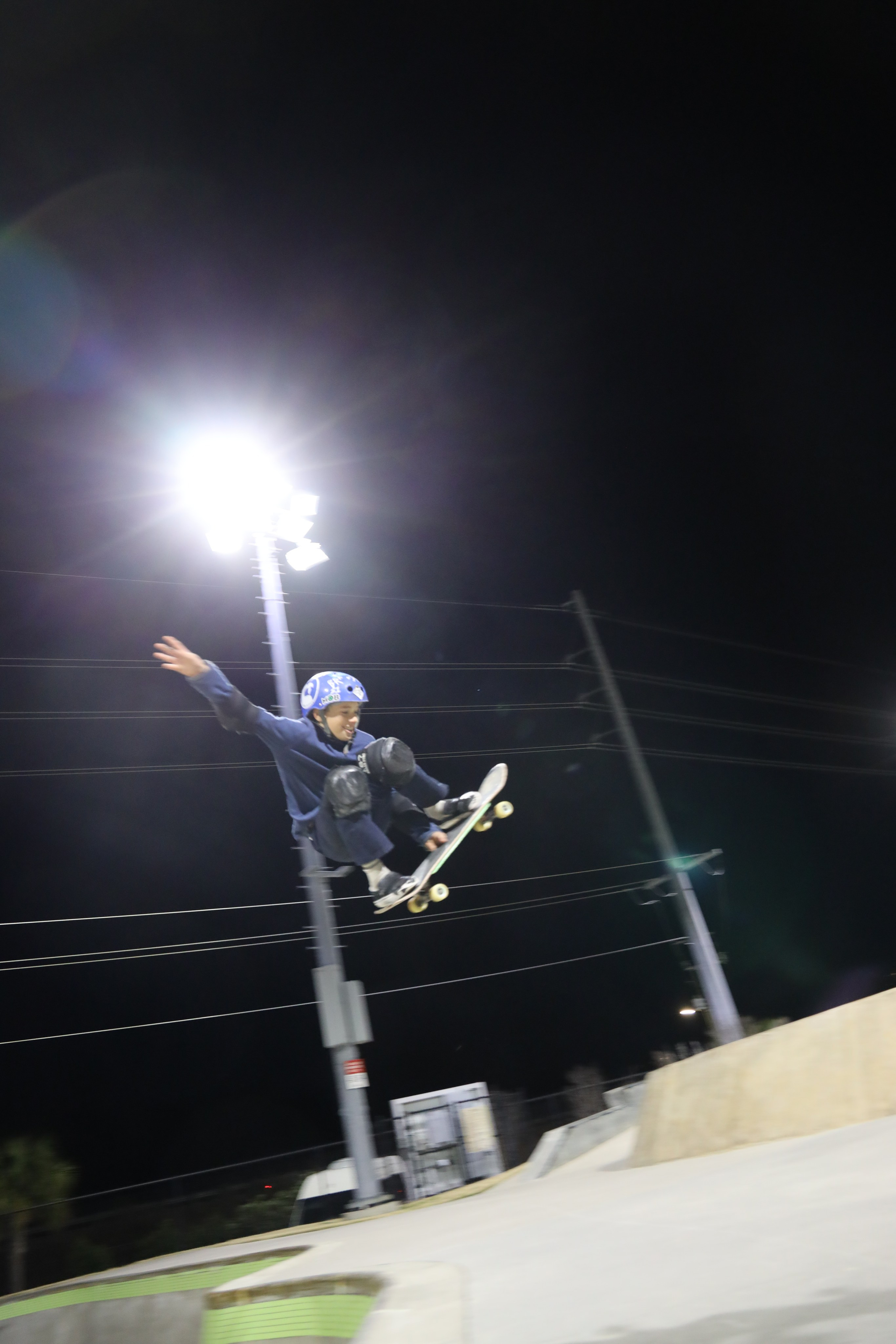
DOGTOWN PHOTOGRAPHY 2hr Workshop
BEGINNER PHOTOGRAPHY 3hr Workshop
A HISTORIC VIEW OF PHOTOGRAPHY 2hr Lecture
Charleston STREET PHOTOGRAPHY 2hr Workshop
SMARTPHONE PHOTOGRAPHY 3hr Workshop

CITYSCAPE PHOTOGRAPHY 2hr WORKSHOP — Learn to photograph the soul of a city
CHARLESTON WALK & SHOOT 2hr WORKSHOP (3-5pm)
SHALLOW DEPTH OF FIELD 2hr Workshop
FLATLAY PHOTOGRAPHY IN A CAFÉ 2Hr Workshop
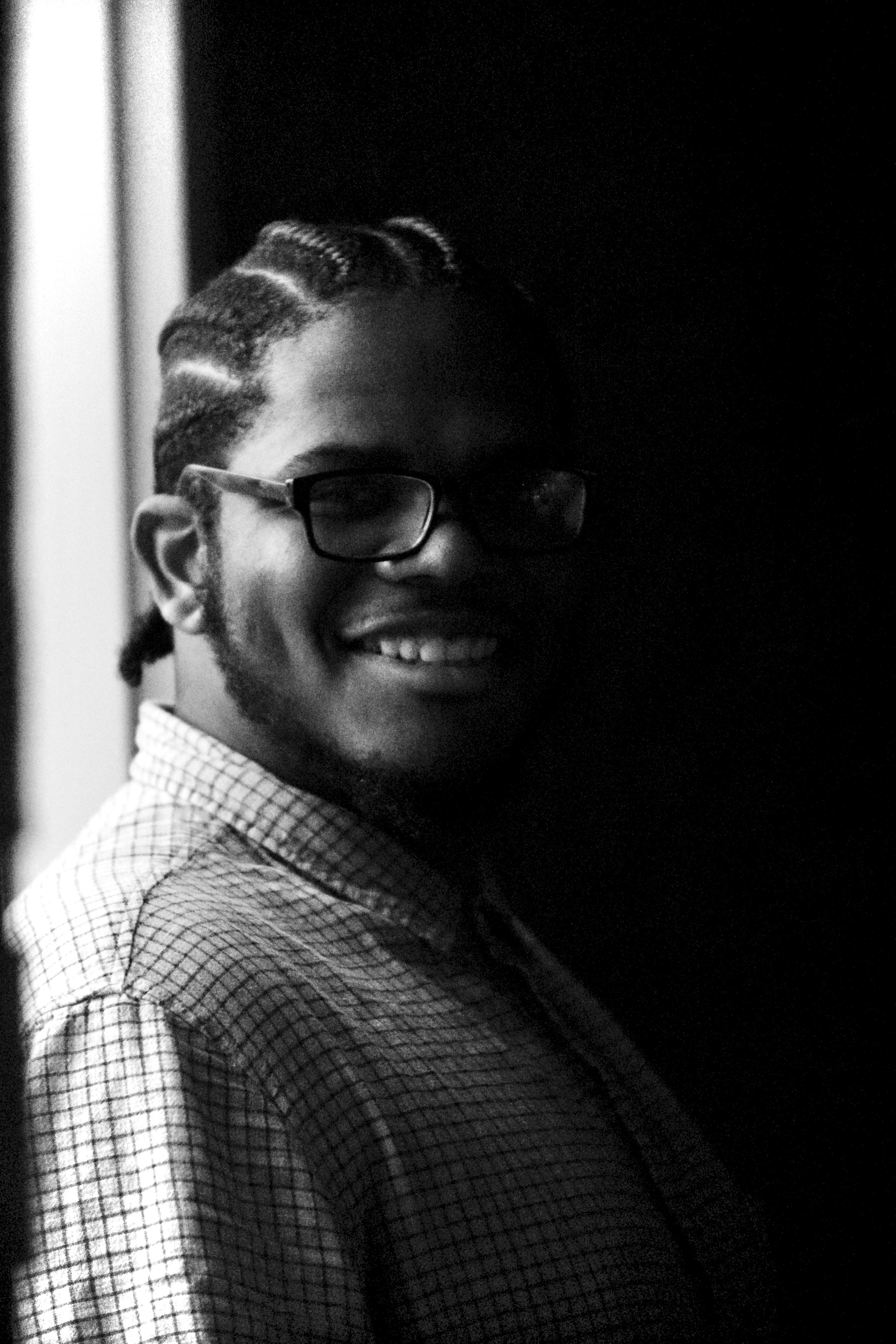
I just wanted to say how much I enjoyed the nightlife photography workshop in Charleston. Walking through the city streets at night with the group was such a great experience, it really helped me see things differently and try new techniques in a relaxed, inspiring environment. Sonny was fantastic. He was helpful, kind, and gave us space to express our own ideas about nighttime photography, which I really appreciated. I felt supported but also free to explore creatively. Overall, it was a great experience, and I? d definitely be interested in joining more workshops in the future. Thanks again for putting it together! 5/5