A Pocketbook for Seeing Clearly, Quietly, and With Your Whole Self
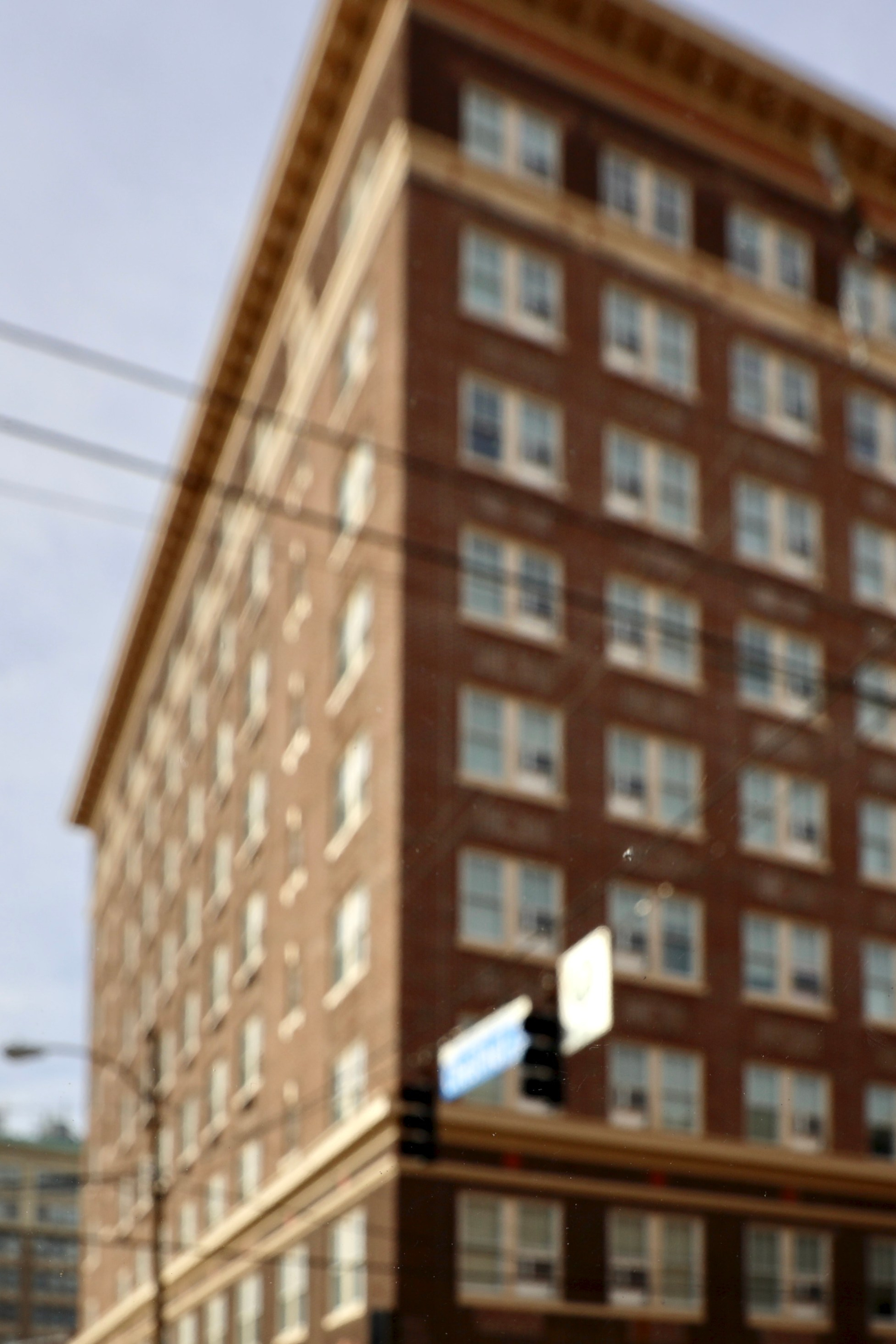
1. Clean your lens… or dirty it on purpose.
A clean lens is honesty.
A dirty lens is memory.
One tells the truth; the other tells the dream.
Both are valid—so choose the mood of your morning before you shoot.
Practice
- Photograph the same moment twice—once sharp, once hazed—then ask which one feels more like you.
- Shoot portraits with a soft, glowing smear. See if the light blooms into something tender.
- Partially smudge the center and leave the edges clean. Learn how imperfection directs attention.
Grow
- Fog your lens with a slow breath to create a halo of intention.
- Smudge in one direction to make the light feel like it’s moving.
A Thought
“A phone is not a lesser camera. It is simply a smaller truth.”
—Ben Lowy
2. Turn your screen brightness up.
Your screen is not the world.
But it is how your world reports back to you in the moment.
Brighten it—so your eyes are not shooting through a fog you don’t know is there.
Practice
- Shoot once at low brightness, once at full. Notice how differently your instincts behave.
- Walk five minutes looking only for shadows made visible by brightness.
- Photograph bright highlights—cars, windows, water—until you learn how light falls apart.
Grow
- Use a histogram; trust numbers over mood when needed.
- Bracket exposures: one bright, one dark, one balanced.
A Thought
“Seeing is calibration—not magic.”
—Dan Rubin
3. Airplane mode + both hands.
A phone can be a thousand things.
But when you turn on airplane mode, it becomes one thing:
A camera.
Hold it with both hands. Let your breath steady it. Let your attention return to a human scale.
Practice
- Five minutes, airplane mode, ten shots. Slow is the whole point.
- Shoot like you’re holding a rangefinder, elbows tucked, breath quiet.
- Walk 100 steps. Take a photo only when something interrupts your thinking.
Grow
- Let your breath be your shutter-release.
- Use burst mode sparingly—decisiveness is part of the craft.
A Thought
“Your camera is only as calm as you are.”
—Eric Kim
4. Turn on the rule-of-thirds grid.
It’s not about rules.
It’s about training your eyes to see balance long before your brain tries to explain it.
The grid is scaffolding. Eventually, you’ll float without it.
Practice
- Place a face on a grid intersection. Notice the quiet authority it creates.
- Move the horizon to the upper third—then the lower third. Feel how mood shifts.
- Put your subject on the far edge. Let space do the talking.
Grow
- Break the rule once you’ve digested it.
- Use the grid to align leading lines like whispers guiding the eye.
A Thought
“Composition is just the choreography of feeling.”
—Ami Vitale
5. Shoot RAW in Lightroom Mobile.
RAW is not a file format.
It is a promise you make to your future self—
“I will edit this slowly. I will care about this later. I will give myself room to breathe.”
Practice
- Shoot the same moment in RAW and JPEG. See how much more a RAW file remembers.
- Spend one hour shooting only manual. Let your hands learn light.
- Shift white balance deliberately—warm, cool, neutral—and see how emotion changes.
Grow
- Underexpose slightly in sun; highlights are fragile.
- Resist clarity sliders. The world is sharp enough already.
A Thought
“The phone with RAW is the new pocket Leica.”
—Sam Hurd
6. Look for contrast.
Photography is nothing without tension.
Shadows leaning into light. Light spilling into darkness.
Your phone loves contrast—give it something to chew on.
Practice
- Photograph only shadows for five minutes.
- Hunt reflections—metal, glass, water.
- Build silhouettes by placing people directly in front of the sun.
Grow
- Expose for brightness, not shadow. Let darkness stay dark.
- Backlight your subjects to give them halos.
A Thought
“Light is the subject. Everything else is the accent.”
—Saul Leiter
7. Don’t let Portrait Mode define you.
Change the frame, change the meaning.
Portrait mode is training wheels—fine until you forget you have other ways to move.
Practice
- Shoot one subject in vertical, horizontal, square, and cinematic 16:9.
- Build a tiny 10-image story using different aspect ratios.
- Explore the ultra-wide lens like it’s a new planet.
Grow
- Use 16:9 for scenes that need breath.
- Use square frames when you want balance to feel like destiny.
A Thought
“The frame is the first story decision.”
—Stephen Shore
8. Try black & white.
Color distracts.
Black and white tells the truth of gesture, structure, mood.
Follow Kathy Ryan’s path—office light, quiet corridors, soft human presence.
Practice
- Photograph high-contrast scenes with no color allowed.
- Hunt textures—walls, skin, pavement, fabric.
- Capture gestures, motion, small human moments.
Grow
- Shoot in color, convert later. Preserve all the tones.
- Look for soft light—it whispers better in monochrome.
A Thought
“Black and white takes the world down to its bones.”
—Kathy Ryan
9. Turn the abstract brain on.
The world is literal enough.
Photography does not need to be.
Forget the object. Photograph the feeling.
Practice
- Take 10 images where the subject is unrecognizable.
- Shoot reflections until reality fractures.
- Move in close—closer—until texture becomes a landscape.
Grow
- Experiment with slow shutter apps to blur time.
- Tilt the phone to break perspective intentionally.
A Thought
“Abstraction is just reality rearranged.”
—Erik Madigan Heck
10. Use the size of your phone like a secret.
A phone fits where a camera never could.
Slide it between books, windows, railings, under tables, against walls.
Sometimes the best angle is the one only a phone can reach.
Practice
- Shoot everything from ground-level for 3 minutes.
- Place your phone into five tight spaces. Let the world reveal itself.
- Photograph through fences, plants, cracks—let the frame be a character.
Grow
- Use the selfie lens for reverse angles nobody expects.
- Shoot ultra-wide in tiny spaces to create surreal depth.
A Thought
“The phone is the most invisible camera ever made.”
—Chase Jarvis
11. Use the side buttons as your shutter.
Hold your phone like it matters.
Let your fingers fall into rhythm.
The volume button is a shutter—use it like one.
Practice
- Capture people walking past using only the side button.
- Shoot in low light, elbows braced, breath steady.
- Photograph only horizontal frames for five minutes.
Grow
- Let your breath be the stabilizer.
- Assign volume up to stills and volume down to bursts.
A Thought
“Technique is just intention made physical.”
—Misan Harriman
12. Put things in front of the lens.
A phone is a magic wand—
Hold a wrapper, a leaf, a piece of glass, a fabric scrap in front of it
and watch a simple moment become cinema.
Practice
- Shoot through a colored gel or candy wrapper.
- Stretch thin cloth across the lens for softness.
- Photograph through a glass or prism for distortions.
Grow
- Add flash through translucent objects for glowing color.
- Combine gels + close-ups for painterly abstractions.
A Thought
“Use anything—absolutely anything—to bend the world toward feeling.”
—Pepa Hristova
13. Photograph what stands out.
The world is full of strange, misaligned beauty:
a crooked car, a broken sign, a shadow shaped like a bird.
Your job isn’t to find perfect things—
It’s to notice the things that notice you.
Practice
- Photograph five odd things today.
- Find accidental beauty in broken or messy scenes.
- Look for faces or creatures hidden in shadows.
Grow
- Pause when something feels “off.” That’s intuition speaking.
- Shoot first, understand later. Meaning arrives slow.
A Thought
“The interesting things are rarely in the center of the walkway.”
—William Eggleston
14. Slow down & wait for the decisive moment.
Everything has a rhythm if you give it time.
Stand still. Watch movement repeat.
The decisive moment is patience plus instinct.
Practice
- Pick a spot and wait 30 seconds before lifting the camera.
- Predict where someone will walk, then catch the moment they fill the frame.
- Stay in one place until five photographs find you.
Grow
- Look for cycles—doors opening, waves hitting, people passing.
- Use burst mode only when the moment is already happening.
A Thought
“A good photo is rarely taken. It is received.”
—Alex Webb
15. Use the phone’s invisibility.
The phone is the quietest camera in history.
People ignore it. The world forgets it.
This invisibility is your advantage—use it gently, respectfully, humanly.
Practice
- Shoot from the waist, as if you’re simply holding your phone.
- Pretend you’re texting while you’re actually composing.
- Take one step closer than comfort allows.
Grow
- Shoot reflections to stay invisible but still present.
- Layer foreground objects to mask your position.
A Thought
“A smartphone shows people as they are—unguarded, unposed, unperformed.”
—Cole Barash
Expanded Version..........
16 Smartphone Seeing Practices
Smartphone rule (applies to all 16): Use only your phone’s native camera + native settings. No outside apps. No presets. No platforms. No “fix it later.”
Goal: immediate, visible changes in-camera.
16 Smartphone Seeing Practices
1. Clean Lens vs. Dirty Lens
What It Is
This is the most physical, immediate, and undeniable decision a photographer can make. Before composition, before light, before subject—there is the surface that light must pass through. That surface determines how reality arrives in the image.
A clean lens records information.
A dirty lens alters memory.
This distinction matters because photography is often taught as if it were neutral. It is not. Every photograph is filtered—through glass, through settings, through timing, through the photographer’s body and attention. The lens surface is simply the first and most honest filter.
This exercise forces students to confront that fact directly. Nothing about it is abstract. The change is visible in seconds.
Clean Lens — Pros
-
Crisp edges and readable detail
Lines separate clearly. Textures announce themselves. Nothing is softened or hidden. -
Clear separation between subject and background
Depth and spatial relationships become easier to read. -
Strong documentary clarity
Images feel factual, direct, and trustworthy—especially important when recording people, relationships, or evidence. -
Forces compositional responsibility
Because nothing is softened, weak framing becomes obvious. The photographer must rely on placement, timing, and structure rather than atmosphere.
Clean Lens — Cons
-
Can feel emotionally cold
Clean clarity can distance the viewer emotionally if the moment itself is quiet or subtle. -
Reveals weak framing immediately
There is nowhere to hide. Poor composition becomes instantly visible. -
Less forgiving in harsh light
Direct sun, overhead light, and high contrast can feel aggressive or unflattering.
A clean lens demands precision. That pressure is part of the lesson.
Dirty Lens — Pros
-
Blooming highlights and soft transitions
Light spreads, edges dissolve, and highlights feel less aggressive. -
Emotional haze, nostalgia, dream-state
Images begin to resemble memory rather than fact. This can introduce tenderness, ambiguity, or longing. -
Tames brutal light
Smudges act like crude diffusion, softening conditions that might otherwise feel too harsh. -
Creates atmosphere instantly
Mood appears without changing subject, location, or timing.
This is why the effect is so tempting—and why it must be used intentionally.
Dirty Lens — Cons
-
Can hide poor composition
Softness can mask weak framing, poor timing, or lack of intent. -
Easy to rely on as a crutch
Students may use smudging to make images “feel” artistic without doing the harder work of seeing. -
Loss of detail can flatten meaning
When everything is soft, nothing stands out. Information can disappear along with clarity.
A dirty lens should add meaning, not replace it.
Exercises
Exercise A — Clean vs. Dirty Comparison
- Clean the lens completely.
- Photograph a face, a hand, or a still subject.
- Smudge the lens.
- Photograph the same subject again.
- Compare emotional tone, detail, and attention flow.
Exercise B — Partial Smudge Control
- Smudge only one corner of the lens.
- Keep the rest clean.
- Photograph a person or object off-center.
- Observe how the eye moves toward clarity and away from softness.
Exercise C — Harsh Light Test
- Shoot directly into the sun or a bright window.
- Repeat once clean, once dirty.
- Compare how light behaves in each image.
These exercises work immediately. No explanation is needed once students see the difference.
What Students Should Notice Right Away
- Clean images feel informational and exact.
- Dirty images feel emotional and suggestive.
- Clean images rely on framing.
- Dirty images rely on mood.
- One is not better—but they do not say the same thing.
This realization is foundational.
Tips
- Use a clean lens when documenting:
- Facts
- Relationships
- Evidence
- Moments where clarity matters
- Use a dirty lens when documenting:
- Feeling
- Memory
- Atmosphere
- Emotional weight
Most important rule:
Never let this be accidental.
If the lens is dirty, it should be dirty on purpose.
If it is clean, it should be clean on purpose.
Choice is the beginning of authorship.
2. Low Screen Brightness vs. Full Brightness
What It Is
Your phone screen is not the world.
It is how the world talks back to you after you make a decision.
That distinction matters.
Students often assume exposure problems come from “bad light” or “bad cameras.” In reality, many exposure mistakes come from bad feedback. If the screen is dim, the phone lies quietly. If the screen is bright, the phone tells the truth—sometimes uncomfortably.
Screen brightness directly affects how photographers learn exposure, not just how they see results. It shapes instinct. It determines whether mistakes are noticed, ignored, or repeated.
This practice makes that learning process visible.
Low Screen Brightness — Pros
-
Forces intuition
When the screen is dim, students cannot rely on immediate visual confirmation. They are forced to feel exposure decisions instead of checking them. -
Reduces constant checking
A darker screen discourages obsessive reviewing. Students tend to shoot, move, and stay present longer. -
Encourages bold shooting
Without obvious feedback, students often take more risks—stronger contrast, harder light, faster timing.
Low brightness shifts photography toward instinct and away from reassurance.
Low Screen Brightness — Cons
-
Hides underexposure
Dark screens make dark photos look acceptable. Students often don’t realize how much detail they’re losing. -
Masks blown highlights
Highlight clipping becomes harder to detect, delaying understanding of light limits. -
Slows learning
Because errors are hidden, improvement takes longer. Mistakes repeat quietly.
Low brightness is useful—but not for beginners trying to understand light behavior.
Full Brightness — Pros
-
Immediate, honest feedback
Exposure errors become obvious instantly. What’s blown is clearly blown. What’s dark is clearly dark. -
Faster learning curve
Students begin to understand how light actually behaves instead of guessing. -
Clear understanding of light failure
Bright screens reveal where the camera—and the photographer—lose control.
This mode accelerates learning by removing ambiguity.
Full Brightness — Cons
-
Encourages over-checking
Students may interrupt shooting too often to review images. -
Can interrupt presence
Attention shifts from the scene to the screen if not managed carefully.
Full brightness teaches quickly—but it must be paired with discipline.
Exercises
Exercise A — Blind Exposure
- Set screen brightness to minimum.
- Shoot 5 images quickly.
- Do not adjust exposure deliberately.
- Trust instinct only.
Exercise B — Honest Exposure
- Set screen brightness to maximum.
- Shoot the same 5 images again in similar light.
- Observe differences immediately.
Comparison
Students should look for:
- How often the low-brightness images are darker than expected
- Where highlights disappear
- Which decisions felt confident but were incorrect
This comparison usually produces instant realization.
What Students Should Notice Right Away
- Low brightness images often feel “fine” until compared directly
- Full brightness reveals mistakes students didn’t know they were making
- Confidence does not equal accuracy
- Learning accelerates when feedback is clear
This moment is critical: students begin to separate feeling right from being right.
Tips
-
Start bright while learning.
Brightness exposes mistakes quickly and builds accurate instincts. -
Dim the screen only after instincts sharpen.
Once students understand exposure, low brightness can train intuition. -
Brightness is a teaching tool, not a crutch.
Use it deliberately, not habitually.
The goal is not to keep the screen bright forever.
The goal is to teach the eye what the light is actually doing—so the screen eventually matters less.
3. Airplane Mode vs. Connected Mode
What It Is
Attention is the real camera.
Before exposure, before composition, before subject—there is attention. This practice exists to make distraction visible, not theoretical.
A smartphone is designed to split attention by default. Notifications, vibrations, background processes, and the simple knowledge that messages could arrive all create micro-interruptions. These interruptions are subtle, but they accumulate. They slow reaction time, shorten patience, and pull photographers out of the moment they are trying to observe.
Airplane mode removes that noise instantly. Not as a lifestyle choice, but as a temporary seeing tool. The difference is immediate and physical.
Airplane Mode — Pros
-
Focused attention
Without incoming signals, attention collapses inward. Students notice they are looking longer before shooting and reacting faster when they do. -
Better timing
Timing improves not because students try harder, but because their awareness is uninterrupted. Small gestures, glances, and transitions become easier to catch. -
Calmer shooting rhythm
Breathing slows. Hands steady. The phone stops feeling like a device and starts feeling like a tool.
Students often describe this state as “quiet, ” “locked in, ” or “present, ” even after only a few minutes.
Airplane Mode — Cons
-
Feels socially disconnected
Some students experience mild anxiety or discomfort when disconnected. This is part of the lesson, not a failure. -
Less collaborative energy
Real-time sharing and feedback disappear. The focus shifts from group response to personal observation.
This mode is not meant to replace social photography—it is meant to train attention.
Connected Mode — Pros
-
Social awareness
Being connected allows students to stay responsive to people around them, especially in group or collaborative settings. -
Group energy
Shared momentum can encourage confidence and participation, especially for beginners. -
Fast sharing
Reviewing and exchanging images quickly can support learning after the fact.
Connected mode supports communication, not depth.
Connected Mode — Cons
-
Fragmented attention
Even without notifications, the possibility of interruption pulls awareness outward. Students check more often and wait less. -
Slower reaction time
Micro-distractions delay the moment between seeing and shooting. This delay is often invisible until compared directly with airplane mode.
Images made in connected mode often feel competent but less alive.
Exercises
Exercise A — Disconnected Set
- Turn airplane mode ON.
- Shoot exactly 10 photos.
- No reviewing.
- No deleting.
- No checking time.
Exercise B — Connected Set
- Turn airplane mode OFF.
- Shoot exactly 10 photos.
- Same environment.
- Same time window.
Comparison
Students should look for:
- Which images feel more patient
- Which moments feel more “found” than chased
- Differences in sharpness, gesture, and emotional tone
The contrast is usually immediate and obvious.
What Students Should Notice Right Away
- In airplane mode, they wait longer before shooting
- In connected mode, they shoot more quickly but with less intention
- The disconnected images often feel quieter and more grounded
- The connected images often feel efficient but restless
Neither is wrong. They serve different purposes.
Tips
-
Use airplane mode to train presence.
It is a practice tool, not a permanent rule. -
Use connected mode intentionally, not by default.
Choose it when communication matters more than depth.
The key lesson is not which mode is better, but that attention is adjustable—and photography changes the moment attention changes.
4. Grid On vs. Grid Off
What It Is
The grid is not about rules.
It is about training the eye before instinct develops.
Most beginner photographers rely on centering because it feels safe. The grid interrupts that habit. It introduces structure before intuition exists, forcing students to see balance, notice edges, and acknowledge negative space—often for the first time.
Think of the grid as scaffolding. It supports learning early, then disappears once strength develops.
Grid On — Pros
-
Immediate compositional improvement
Students see better framing almost instantly. Subjects feel placed instead of accidental. -
Trains negative space
Empty areas stop feeling like mistakes and start functioning as active parts of the image. -
Builds muscle memory
Repeated use imprints spatial awareness into the body. Over time, students begin to “feel” good composition before thinking.
The grid speeds up visual literacy dramatically.
Grid On — Cons
-
Can feel rigid
Some students feel boxed in or over-controlled, especially once they start noticing the lines constantly. -
Over-reliance possible
If used too long, students may struggle to compose without it, treating it as a crutch rather than a tool.
The grid should teach awareness, not replace judgment.
Grid Off — Pros
-
Faster intuition
Without visible guides, students react instinctively and move more freely. -
Freer response to moments
Especially useful in fast, unpredictable environments where hesitation costs timing.
Grid off encourages flow—but only after fundamentals exist.
Grid Off — Cons
-
Messy early results
Horizons tilt unintentionally. Subjects drift. Frames feel uncertain. -
Slower growth
Without feedback, students may repeat the same compositional mistakes unknowingly.
Grid off before learning often reinforces bad habits.
Exercises
Exercise A — Intersection Discipline
- Turn the grid ON.
- Photograph faces only when they land on a grid intersection.
- No centering allowed.
- If the face lands in the middle, don’t shoot.
Exercise B — Horizon Extremes
- Photograph landscapes or environments.
- Place the horizon in the top 10% of the frame.
- Then place it in the bottom 10%.
- Compare how mood and power shift.
Exercise C — Edge Pressure
- Push the subject as close to the frame edge as possible.
- Let empty space dominate.
- Observe how tension increases.
These exercises produce immediate, obvious changes in image feel.
What Students Should Notice Right Away
- Images feel more intentional
- Space begins to “speak”
- Centering starts to feel boring
- Balance becomes a choice, not a default
Students often report that once they see this, they can’t unsee it.
Tips
-
Learn with the grid.
Let it train your eye, not your ego. -
Break the grid only after you feel it internally.
When you can predict where the lines would be without seeing them, it’s time to turn it off.
The goal is not to obey the grid forever.
The goal is to absorb it into your body so composition happens without thinking.
When that happens, instinct becomes reliable—and freedom becomes real.
5. Exposure Locked vs. Auto Exposure
What It Is
This practice is about commitment versus safety.
Auto exposure is designed to protect you. It constantly adjusts light to avoid failure, smoothing out extremes and correcting decisions before you feel their consequences. This makes photography easier—but it also delays learning.
Locking exposure removes that protection. It forces the photographer to commit to a decision and live with the result. This commitment changes how students move, how long they wait, and how carefully they observe light before pressing the shutter.
This is one of the clearest ways to feel the difference between reacting to light and anticipating it.
Locked Exposure — Pros
-
Visual consistency
Images share the same tonal logic. Light feels intentional rather than reactive. -
Anticipation skills
Students begin predicting where light will fail or succeed before shooting. This trains foresight instead of correction. -
Film-like discipline
Locking exposure recreates the pressure of film photography—where decisions happen before the shutter, not after.
Locked exposure slows students down in productive ways. It makes them look longer.
Locked Exposure — Cons
-
More failed images
Highlights blow. Shadows collapse. Some frames simply don’t work. -
Requires patience
Students must resist the urge to “fix” settings mid-moment.
These failures are not mistakes—they are feedback.
Auto Exposure — Pros
-
Convenience
The camera adapts instantly to changing conditions. -
Higher hit rate
More usable images, especially in fast or unpredictable situations.
Auto exposure is useful when moments are fleeting and control is secondary.
Auto Exposure — Cons
-
Flattened contrast
Extremes are softened. Light feels less dramatic. -
Less intention
The camera makes decisions instead of the photographer.
Over time, auto exposure trains dependence rather than awareness.
Exercises
Exercise A — Commitment Drill
- Lock exposure.
- Do not adjust it for 10 minutes.
- Stay in one lighting condition if possible.
Exercise B — Movement Test
- With exposure still locked:
- Photograph only moving subjects.
- No reshoots.
- No checking after each frame.
Optional Contrast Test
- Walk briefly from sun to shade without unlocking exposure.
- Observe how the image reacts—and how you react.
These exercises produce immediate changes in behavior, not just images.
What Students Should Notice Right Away
- They look longer before shooting
- They move their bodies instead of changing settings
- They accept loss instead of correcting it
- They begin choosing moments that match their exposure
The camera stops rescuing them—and learning accelerates.
Tips
-
Lock exposure to learn light.
Use it as a training tool, not a punishment. -
Use auto exposure when speed matters.
Fast-moving scenes, chaotic light, or safety-critical moments may require it.
The lesson is not that locked exposure is “better.”
The lesson is that commitment creates awareness.
Once students experience how much locking exposure changes their behavior, they begin to understand that photography is not about control—it’s about choosing when to give control up.
6. Shadows Only vs. Faces Only
What It Is
This practice is about breaking subject dependency.
Many photographers—especially beginners—depend on faces to carry meaning. Faces are powerful, emotional, and familiar. They create instant connection. Because of this, they often become a shortcut. When a face is present, composition, light, and structure are forgiven.
Shadows remove that shortcut.
By forcing students to photograph shadows without faces, the exercise trains them to see light itself—how it moves, stretches, fractures, and describes space. Switching back to faces only then reveals how much emotional weight faces carry—and how easily that weight can overpower the frame.
This contrast teaches control instead of reliance.
Shadows — Pros
-
Teaches shape and direction
Shadows reveal where light comes from and how it interacts with surfaces. Students begin seeing light as an object, not an idea. -
Develops abstract thinking
Without faces, images become about form, rhythm, and suggestion. Meaning is implied rather than stated.
Shadows teach photographers to see structure before subject.
Shadows — Cons
-
Less immediate emotion
Viewers must work harder. Emotional clarity is delayed. -
Harder to read narratively
Without faces, context can feel ambiguous or unresolved.
This difficulty is intentional. It builds visual patience.
Faces — Pros
-
Strong emotional pull
Faces create instant empathy. Viewers connect quickly and intuitively. -
Narrative clarity
Faces anchor images in story. Mood, intention, and reaction become legible.
Faces are powerful tools—when used consciously.
Faces — Cons
-
Easy shortcut
A face can make a weak photo feel meaningful without strong composition or light. -
Can overpower the frame
The viewer stops seeing space, gesture, or structure and focuses only on expression.
Faces can dominate the image if not balanced carefully.
Exercises
Exercise A — Shadows Only
- Set a timer for 5 minutes.
- Photograph only shadows.
- No bodies.
- No faces.
- No reflections of faces.
Look for:
- Shadows cast by people outside the frame
- Shadows stretching across walls, ground, objects
- Intersections and overlaps
Exercise B — Faces Only
- Set a second timer for 5 minutes.
- Photograph only faces.
- No bodies.
- No hands.
- No shadows as primary subject.
Focus on:
- Expression
- Stillness
- Micro-gestures
Exercise C — Contrast Review
- Compare both sets side by side.
- Notice what carried meaning without faces.
- Notice what faces made unnecessary.
The contrast is usually immediate and striking.
What Students Should Notice Right Away
- Shadow images rely on composition and light, not emotion
- Face images rely on emotion, sometimes at the expense of structure
- Shadows slow the viewer down
- Faces speed understanding up
Students begin to recognize when they are leaning on faces instead of seeing.
Tips
-
Use shadows to train seeing.
They build awareness of light, form, and space. -
Use faces to tell stories.
They deliver emotion and narrative efficiently.
The deeper lesson is balance.
A strong photograph does not depend entirely on faces or entirely on abstraction—it knows when to use each.
Once students feel how much work shadows demand, faces stop being a crutch and start becoming a choice.
7. HDR Off vs. HDR On
What It Is
This practice is about reality versus smoothing.
High Dynamic Range (HDR) exists to solve a technical problem: cameras cannot see as widely as the human eye. HDR attempts to compress extremes—lifting shadows and pulling back highlights—so everything remains visible.
But visibility is not the same as truth.
Dogtown-era photography—and most honest documentary work—did not smooth reality. Light was harsh. Shadows stayed dark. Highlights burned. These extremes carried emotional weight. HDR removes that weight quietly, often without students realizing it.
This exercise makes that removal obvious.
HDR Off — Pros
-
Honest contrast
Bright areas stay bright. Dark areas stay dark. The image reflects how light actually behaves in the world. -
Strong mood
Contrast creates tension. Tension creates feeling. Images gain edge, bite, and presence.
When HDR is off, photographs feel less polite and more lived-in.
HDR Off — Cons
-
Lost detail
Shadow information disappears. Highlights clip permanently. -
Higher failure rate
Some images simply don’t work.
This loss is not a flaw—it is part of the visual language.
HDR On — Pros
-
Readability
Details remain visible across the frame. Images are easy to read quickly. -
Balanced exposure
Scenes with extreme light differences become technically manageable.
HDR is helpful when clarity matters more than atmosphere.
HDR On — Cons
-
Flat emotional tone
When everything is visible, nothing feels urgent. -
Smoothed experience
Light loses its force. Surfaces feel less tactile.
HDR can make difficult environments feel falsely calm.
Exercises
Exercise A — Split Reality Test
- Find a scene with strong sun and deep shade.
- Photograph it with HDR OFF.
- Photograph the same scene with HDR ON.
Exercise B — Mood Comparison
- Compare images side by side.
- Ask:
- Which feels harsher?
- Which feels safer?
- Which feels closer to being there?
Exercise C — Decision Test
- Choose which version better matches your intention.
- Defend the choice.
Students almost always feel the difference immediately.
What Students Should Notice Right Away
- HDR off images feel more intense, sometimes uncomfortable
- HDR on images feel calmer, cleaner, and easier
- HDR off preserves atmosphere
- HDR on preserves information
Students begin to understand that technical “improvement” can erase emotional truth.
Tips
-
HDR off for feeling.
Use it when mood, tension, and honesty matter. -
HDR on when clarity is required.
Use it for instructional, architectural, or explanatory images.
The key lesson is intention.
HDR should never be left on by default.
Once students learn to feel the difference, HDR becomes a choice—not a hidden decision made by the phone.
8. Vertical vs. Horizontal
What It Is
This practice is about narrative direction.
The orientation of the frame is not a technical setting—it is a storytelling decision. Vertical and horizontal images do not simply look different; they feel different. They invite the viewer to read the image in different ways and at different speeds.
Because smartphones are naturally held vertically, many students default to that orientation without realizing they are making a narrative choice. This exercise slows that habit down and makes the consequences visible.
Vertical — Pros
-
Human-scale intimacy
Vertical frames echo the proportions of the human body. Faces, gestures, and individual presence feel closer and more personal. -
Immediate emotional access
The viewer is drawn directly to the subject with little visual wandering.
Vertical frames feel conversational. They speak directly.
Vertical — Cons
-
Limited context
Surroundings are compressed or excluded. Environment becomes secondary. -
Narrow storytelling
The image may describe who but not where or why.
Vertical framing can isolate subjects from their world if used exclusively.
Horizontal — Pros
-
Environmental storytelling
Horizontal frames allow space to breathe. They show relationships between people, objects, and surroundings. -
Calmer pacing
The viewer’s eye moves across the image more slowly, absorbing layers.
Horizontal frames feel observational rather than intimate.
Horizontal — Cons
-
Less immediacy
Emotional connection can feel delayed, especially with people-centered subjects. -
Requires stronger composition
More space means more responsibility. Weak framing becomes obvious.
Horizontal images ask the photographer to organize the world.
Exercises
Exercise A — Same Subject, Two Stories
- Choose one subject: a person, an object, or a scene.
- Photograph it vertically.
- Photograph it horizontally.
- Do not change position—only orientation.
Exercise B — Emotional Read Test
- Compare the two images.
- Ask:
- Which feels closer?
- Which feels quieter?
- Which explains more?
Exercise C — Orientation Commitment
- Spend five minutes shooting only vertical.
- Spend five minutes shooting only horizontal.
- Notice how your subject choices change.
The difference is usually immediate and undeniable.
What Students Should Notice Right Away
- Vertical images feel personal and direct
- Horizontal images feel spacious and contextual
- The same moment can tell two different stories
- Orientation affects pacing as much as content
Students begin to understand that framing is not neutral—it guides attention and emotion.
Tips
-
Use vertical for people.
When intimacy, expression, and presence matter most. -
Use horizontal for place.
When environment, relationships, and context matter.
The deeper lesson is choice.
Once students feel how orientation changes meaning, they stop defaulting and start deciding.
Narrative begins with the shape of the frame.
9. Black & White vs. Color
What It Is
This practice is about removing distraction versus embracing atmosphere.
Color carries emotion, memory, and time. It can also seduce. Black and white removes that seduction and exposes structure. When color disappears, photographs are forced to stand on shape, gesture, light, and composition alone.
This comparison teaches students how much of their work is supported by color—and how much survives without it.
Black & White — Pros
-
Structural clarity
Without color, lines, shapes, and tonal contrast become obvious. Composition either works or it doesn’t. -
Gesture emphasis
Body language, movement, and posture become the primary storytellers. -
Immediate honesty
Black and white removes aesthetic distraction and reveals visual strength quickly.
Black and white trains the eye before it trains style.
Black & White — Cons
-
Loss of color cues
Time of day, temperature, and emotional warmth can be reduced or flattened. -
Less atmospheric context
Certain environments lose meaning without their color relationships.
Black and white demands stronger seeing—it offers no cover.
Color — Pros
-
Mood and time specificity
Color anchors an image to a moment. It communicates season, location, and emotional temperature instantly. -
Emotional richness
Subtle color relationships can carry meaning without explanation.
Color can speak quietly but powerfully when handled with care.
Color — Cons
-
Can hide weak framing
Strong color may distract from poor composition or unclear intent. -
Encourages over-reliance on mood
Students may mistake color for meaning rather than support.
Color is generous—but generosity can delay learning.
Exercises
Exercise A — Structure First
- Switch to black & white.
- Photograph only:
- Hands
- Textures
- Lines
- Gestures
- No faces, no color cues.
Exercise B — Color With Restraint
- Switch back to color.
- Photograph the same subjects.
- Focus on one dominant color per frame.
Exercise C — Conversion Test
- Shoot in color.
- Convert to black & white later.
- Remove any image that collapses without color.
What Students Will Notice Immediately
- Weak compositions fail fast in black & white
- Strong gestures survive without color
- Color can either clarify or confuse
- Meaning should exist before mood
This realization often happens within minutes.
Tips
-
Use black & white to learn.
Train structure, gesture, and light. -
Use color to communicate.
Add mood, time, and emotional specificity only after structure holds.
Color is language.
Black and white is grammar.
Learn the grammar first.
10. Moving While Shooting vs. Standing Still
What It Is
This practice is about energy management.
Every photograph carries the physical state of the person who made it. Whether the photographer is moving or still changes not only sharpness, but feeling. Motion transfers energy into the frame. Stillness transfers control.
Smartphones amplify this difference because they are lightweight, responsive, and always in motion with the body. This exercise teaches students to feel how their own movement becomes part of the image.
Moving While Shooting — Pros
-
Urgency and immediacy
Motion creates photographs that feel alive, reactive, and unplanned. -
Natural blur and distortion
Movement introduces streaking, softness, and instability that suggest speed and presence. -
Embodied perspective
The image reflects what it felt like to be there, not just what was seen.
Moving photographs feel inside the moment.
Moving While Shooting — Cons
-
Missed focus
Sharpness becomes unpredictable. -
Less compositional control
Framing can feel chaotic or incomplete.
Movement sacrifices precision in exchange for feeling.
Standing Still — Pros
-
Precision and clarity
Lines straighten, focus improves, and relationships become legible. -
Intentional framing
Stillness allows deliberate placement of elements within the frame.
Still photographs feel considered and composed.
Standing Still — Cons
-
Risk of stiffness
Images can feel posed, cautious, or emotionally distant. -
Loss of momentum
The photograph may describe a scene without conveying energy.
Stillness can freeze life if held too long.
Exercises
Exercise A — The Moving Body Drill
- Walk while shooting.
- Turn your body mid-shot.
- Crouch, rise, pivot.
- Do not pause to stabilize.
Exercise B — The Still Anchor
- Choose one spot.
- Plant your feet.
- Shoot only what enters the frame.
Exercise C — Contrast Pair
- Photograph the same subject once while moving.
- Photograph it again standing completely still.
- Compare emotional impact, not sharpness.
The difference is immediate.
What Students Will Notice Right Away
- Moving images feel faster and less predictable
- Still images feel quieter and more descriptive
- Motion transfers emotion into blur
- Stillness reveals structure and detail
Students begin to feel when to move and when to stop.
Tips
-
Move for feeling.
When energy, chaos, or urgency matters. -
Stop for detail.
When relationships, structure, or clarity matter.
The deeper lesson is control versus surrender.
Neither is better.
Each tells a different truth.
Great photographers learn to switch deliberately—not habitually.
11. Extreme Edges vs. Centered Frames
What It Is
This practice is about visual tension versus visual rest.
Where you place a subject inside the frame determines how the image feels before the viewer understands what it shows. Centered compositions communicate stability, balance, and clarity. Edge-weighted compositions introduce tension, uncertainty, and narrative friction.
Smartphone cameras, with their wide lenses and generous framing, make centering easy and habitual. This exercise forces students to feel how composition shifts emotion instantly.
Extreme Edges — Pros
-
Narrative tension
When subjects sit near the edge, the image feels unfinished, in motion, or unresolved. -
Psychological energy
The viewer senses pressure—something is about to enter or leave the frame. -
Modern, documentary feel
Edge compositions feel observational rather than posed.
Edges ask questions instead of answering them.
Extreme Edges — Cons
-
Instability
Poor edge placement can feel accidental rather than intentional. -
Requires precision
A few pixels can determine success or failure.
Edge work punishes carelessness quickly.
Centered Frames — Pros
-
Calm clarity
The subject is unmistakable. Meaning arrives immediately. -
Visual authority
Centering gives weight and importance to what is shown.
Centered frames feel resolved.
Centered Frames — Cons
-
Predictability
Repetition dulls impact. -
Reduced tension
The image may feel complete too quickly.
Centering can end the conversation before it begins.
Exercises
Exercise A — Edge Commitment
- Place subjects as close to the frame edge as possible.
- Allow limbs, objects, or faces to partially exit the frame.
- Do not “fix” composition by recentring.
Exercise B — Center Purge
- Shoot freely for five minutes.
- Delete every centered image immediately.
- Keep only edge-weighted frames.
Exercise C — Intentional Center
- Make one deliberately centered image.
- Ask whether calm serves the subject or weakens it.
Students feel the difference instantly.
What Students Will Notice Right Away
- Edge images feel unstable, alive, unresolved
- Centered images feel calm, authoritative, complete
- Placement changes meaning before content does
- Tension is compositional, not emotional
This awareness sharpens framing instincts rapidly.
Tips
-
Go to the edge when bored.
Tension revives attention. -
Center when clarity matters.
Authority has its place.
The deeper lesson: composition is not about correctness.
It is about intention.
The frame is not neutral.
Where you place something decides how it lives.
12. Obstructed Frames vs. Clear Views
What It Is
This practice is about participation versus observation.
Clear views place the photographer outside the moment, looking in. Obstructed frames place the photographer inside the moment, surrounded by bodies, objects, and movement. One explains. The other immerses.
Most beginners instinctively clear the frame—stepping left, leaning forward, waiting for obstructions to move. This exercise asks students to do the opposite: stay put and let the world interrupt the image.
Obstructed Frames — Pros
-
Immersion
When something blocks the frame, the image feels lived-in rather than staged. -
Sense of proximity
Obstructions imply closeness, crowding, and participation. -
Documentary honesty
Life rarely presents itself with perfect sightlines.
Obstructed frames feel like being there.
Obstructed Frames — Cons
-
Messy reading
Meaning can feel ambiguous or unresolved. -
Requires trust
The photographer must trust the viewer to engage.
Obstruction demands confidence in incompleteness.
Clear Views — Pros
-
Legibility
Information arrives quickly. Subjects are easy to understand. -
Structural clarity
Relationships between elements are obvious.
Clear frames explain the scene.
Clear Views — Cons
-
Spectator feeling
The viewer remains outside the moment. -
Risk of detachment
The image may feel observational rather than participatory.
Clear views can feel safe.
Exercises
Exercise A — Shoot Through, Don’t Step Around
- Photograph through:
- People
- Railings
- Fences
- Glass
- Arms
- Boards
- Do not move to clear the frame.
Exercise B — Partial Blocking
- Allow at least 30–50% of the frame to be obstructed.
- Let shapes interrupt faces or action.
Exercise C — The Clear Counterpoint
- Make one clear, unobstructed image of the same subject.
- Compare which feels more alive.
Students feel the shift immediately.
What Students Will Notice Right Away
- Obstructed frames feel intimate and chaotic
- Clear frames feel organized and distant
- Obstruction implies presence
- Clarity implies explanation
This distinction becomes obvious within minutes.
Tips
-
Obstruct to feel inside.
When presence, energy, and participation matter. -
Clear to explain.
When understanding and context are the priority.
The deeper lesson: photography is not just about what you see—it’s about where you stand.
Obstruction is not a mistake.
It is a position.
13. Waist-Level vs. Eye-Level
What It Is
This practice is about power dynamics.
Where the camera sits in relation to the body changes how people behave. Eye-level photography signals intention: I am photographing you. Waist-level photography softens that signal: I am here, not watching.
Smartphones make waist-level shooting effortless and socially invisible. This exercise teaches students how camera height influences authenticity, control, and performance.
Waist-Level — Pros
-
Invisibility
People react less. Moments continue without interruption. -
Natural behavior
Subjects remain inside themselves rather than performing. -
Embedded perspective
The camera feels like part of the environment, not an authority.
Waist-level images often feel unguarded.
Waist-Level — Cons
-
Guessing composition
Framing becomes intuitive rather than precise. -
Increased failure rate
Missed focus and awkward framing are common.
Waist-level demands trust in instinct.
Eye-Level — Pros
-
Control
Composition is deliberate and readable. -
Direct engagement
Subjects understand they are being photographed.
Eye-level frames feel intentional and composed.
Eye-Level — Cons
-
Performed behavior
People may pose, stiffen, or self-edit. -
Shift in power
The camera asserts presence and authority.
Eye-level photography changes the social contract.
Exercises
Exercise A — Waist-Level Commitment
- Shoot an entire set with the phone held at waist height.
- Do not raise the camera to your face.
- Compose by feel, not certainty.
Exercise B — Reaction Test
- Make one image at waist-level.
- Make the same image at eye-level.
- Observe changes in body language.
Exercise C — Miss and Learn
- Keep failed frames.
- Study what instinct gets right and wrong.
The contrast becomes obvious within minutes.
What Students Will Notice Right Away
- Waist-level images feel candid and unguarded
- Eye-level images feel direct and aware
- Power shifts with camera height
- Behavior changes before composition does
This awareness changes how students move through spaces.
Tips
-
Waist-level for truth.
When authenticity and natural behavior matter. -
Eye-level for intention.
When clarity, engagement, or permission matters.
The deeper lesson:
Photography is not neutral.
Where you place the camera decides who holds power in the moment.
14. Lines Only vs. People Only
What It Is
This practice is about structure versus narrative.
Every photograph balances two forces: how it is built and what it says. Lines teach construction. People carry meaning. When students rely on people too early, composition weakens. When they avoid people too long, photographs lose story.
This exercise separates the two so each can be learned cleanly.
Lines Only — Pros
-
Composition training
Lines force attention to framing, balance, rhythm, and direction. -
Visual discipline
Without faces or bodies, students must rely on structure alone. -
Spatial awareness
Lines reveal how space is organized.
Lines teach how photographs stand.
Lines Only — Cons
-
Emotional distance
Images may feel cold or abstract. -
Reduced narrative
Meaning must be inferred rather than felt.
Lines explain form, not life.
People Only — Pros
-
Story and identification
Humans create instant narrative and emotional connection. -
Gesture and expression
Body language communicates quickly.
People give photographs meaning.
People Only — Cons
-
Easy shortcuts
Faces can compensate for weak composition. -
Reduced structural awareness
Framing mistakes are often ignored.
People can hide bad seeing.
Exercises
Exercise A — Pure Line Discipline
- Photograph only straight lines:
- Railings
- Shadows
- Fences
- Curbs
- Architecture
- No curves.
- No bodies.
- No reflections of people.
Exercise B — People Without Structure
- Photograph only people.
- No architectural lines.
- No strong backgrounds.
- Focus on gesture, not framing.
Exercise C — Merge Intentionally
- Make one image where lines support people.
- Do not let one dominate the other.
The contrast becomes obvious quickly.
What Students Will Notice Right Away
- Lines expose compositional habits
- People supply meaning instantly
- Structure must exist before narrative
- Narrative collapses without structure
This separation accelerates learning.
Tips
-
Lines train discipline.
Learn how the frame works. -
People communicate meaning.
Learn why the frame matters.
The deeper lesson:
Strong photographs require both.
Structure holds the image.
People give it life.
15. Waiting vs. Chasing Moments
What It Is
This practice is about receiving versus controlling.
Waiting allows moments to arrive on their own terms. Chasing attempts to force moments into existence. Both produce images—but they produce different kinds of truth.
Modern photography encourages chasing: constant movement, constant shooting, constant anticipation. This exercise interrupts that habit and teaches students how timing changes when they stop pursuing and start receiving.
Waiting — Pros
-
Natural timing
Moments unfold organically rather than being manufactured. -
Heightened awareness
Stillness sharpens attention to subtle changes. -
Authentic rhythm
Images align with how events actually happen.
Waiting allows truth to enter the frame.
Waiting — Cons
-
Feels unproductive
Long gaps between images can feel uncomfortable. -
Requires patience
Nothing may happen immediately.
Waiting challenges the urge to perform.
Chasing — Pros
-
Quantity
More frames, more attempts, more variation. -
Speed practice
Useful for learning reaction and technical control.
Chasing builds physical camera skills.
Chasing — Cons
-
Forced images
Moments may feel staged or incomplete. -
Disrupted flow
Constant movement interrupts natural patterns.
Chasing can flatten meaning.
Exercises
Exercise A — One Spot, One Minute, One Frame
- Choose a single location.
- Do not move.
- Wait one full minute.
- Take only one photograph.
Exercise B — The Chase Burst
- Move continuously.
- Photograph anything that moves.
- Limit yourself to one minute.
Exercise C — Compare Energy
- Review both sets.
- Identify which images feel received rather than taken.
Students feel the contrast immediately.
16. Ending Early vs. Shooting the Payoff
What It Is
This practice is about tension management.
Every moment has an arc. Most photographers are trained—by instinct, by media, by social platforms—to chase resolution. The landing. The smile. The trick made. The moment that explains itself.
This exercise asks a harder question:
What happens when you stop before the explanation arrives?
Ending early preserves tension. Shooting the payoff releases it. Neither is right or wrong—but each carries a different emotional weight.
Ending Early — Pros
-
Mystery
The viewer is left inside the question rather than given the answer. -
Emotional pull
Images linger longer because they refuse closure. -
Viewer participation
Meaning is completed internally rather than delivered.
Ending early keeps the photograph alive.
Ending Early — Cons
-
Ambiguity
Some viewers may feel uncertain or unsatisfied. -
Risk of misreading
Without resolution, meaning can drift.
Ending early demands confidence.
Shooting the Payoff — Pros
-
Satisfaction
The story resolves clearly. -
Immediate comprehension
The viewer understands what happened without effort.
Payoff images feel complete.
Shooting the Payoff — Cons
-
Predictability
The image often confirms what was already expected. -
Reduced tension
Once resolved, the image stops working.
Payoff ends the conversation.
Exercises
Exercise A — Before and After Only
- Photograph only:
- The moment before something happens
- The moment immediately after
- You are not allowed to photograph the event itself.
Exercise B — Early Exit
- Leave the scene before the expected moment arrives.
- Photograph the anticipation, not the outcome.
Exercise C — The Comparison Test
- Make one image that ends early.
- Make one image that shows payoff.
- Ask which one stays with you longer.
Students feel the difference instantly.
What Students Will Notice Right Away
- Ending early creates tension and curiosity
- Payoff provides clarity but short lifespan
- Resolution closes emotional space
- Ambiguity keeps the image active
This shift changes how students think about timing forever.
Tips
-
End early for art.
When emotion, mystery, and resonance matter. -
Show payoff for clarity.
When documentation or explanation is the goal.
The deeper lesson:
Not every story wants an ending.
Sometimes the most honest photograph is the one that stops before comfort arrives.
Final Rule for Students
If the difference is not immediately visible,
you are not pushing hard enough.
These ideas are built around pressure, not comfort. The exercises are designed so that change happens fast and unmistakably. When you apply a real constraint—when you commit fully instead of halfway—the photographs respond immediately. If your images look the same before and after an exercise, it means you protected yourself. You stayed safe. You didn’t go far enough.
Seeing changes quickly when pressure is applied on purpose. That pressure removes habits, shortcuts, and unconscious defaults. It forces decisions. It exposes intention. It makes mistakes obvious—and that visibility is the point. Growth does not arrive gradually here; it arrives suddenly, the moment you stop negotiating with the exercise.
This is the work:
choosing discomfort, committing to limits, and trusting that clarity comes after pressure—not before.
Readings
FINDING THE CITY — 3 ways to photograph powerful CITYSCAPES — even when your city doesn’t look like one.

FLATLAY PHOTOGRAPHY: STILLNESS AND STORY: A Creative Guide to Flatlay Photography

10 PROCESS-DRIVEN, EXPLORATORY PHOTO EXERCISES

35 IDEAS FROM THE STREET LENS


Great lesson and shot some great evening photos downtown Charleston. 5/5